The decision to demolish a property is a significant one. Whether you are clearing an old plot for a new dream home, stripping out an office for renovation, or removing a hazardous structure, the stakes are incredibly high. Demolition is not just reverse construction; it is a discipline that requires engineering precision, strict safety protocols, and deep regulatory knowledge.
However, the construction market is flooded with operators claiming they can handle the job. From general handymen with a sledgehammer to unverified companies offering rock-bottom prices, the options can be overwhelming.
Making the wrong choice doesn't just mean a bad paint job—it can lead to collapsed neighboring walls, massive municipal fines, indefinite delays, and legal liability for you as the property owner.
So, how do you separate the professionals from the "cowboys"?
In this guide, we will walk you through the top 5 red flags to watch out for when hiring for site demolition. We will explain why specific tasks like retaining wall removal require experts, and why working with licensed demolition contractors is the only way to protect your investment.

We all want to save money. However, in the world of building demolition services, a quote that is 30% or 40% lower than the market average is not a bargain; it is a trap.
Demolition has fixed costs that cannot be magically reduced. These include:
Where are they cutting corners?If a contractor offers a suspiciously low price for a villa demolition, they are likely cutting corners in one of two dangerous ways:
The Professional Approach:Reputable residential & commercial demolition contractors provide detailed, transparent quotes. They break down the costs of labor, machinery, and waste disposal so you see exactly what you are paying for.
"I have a general trading license; it’s fine."This is a sentence you never want to hear.
Demolition is a specialized activity. It is not covered under general maintenance or simple renovation licenses. Specific licensed demolition contractors undergo vetting by local municipalities to prove they have the engineering capability and safety standards to tear down buildings.
The Risk of Unlicensed Contractors:
What to Ask:Always ask to see the Trade License and the Insurance Policy. Check specifically for "Demolition" or "Wrecking" in the activity description.
Not all demolition is created equal. Knocking down a drywall partition is easy; removing a structural retaining wall is engineering.
If you ask a contractor how they plan to handle a complex task like retaining wall removal, and their answer is vague (e.g., "Don't worry, we just dig it out"), you should be alarmed.
The Danger of Retaining Walls:Retaining walls hold back tons of soil pressure. If removed incorrectly without temporary shoring (propping), the soil can collapse, taking the neighbor’s fence, garden, or even their foundation with it.
The Professional Approach:Experienced concrete removal companies will discuss:
If a contractor dismisses the technical difficulty of site demolition, it is a sign they do not understand the risks involved.
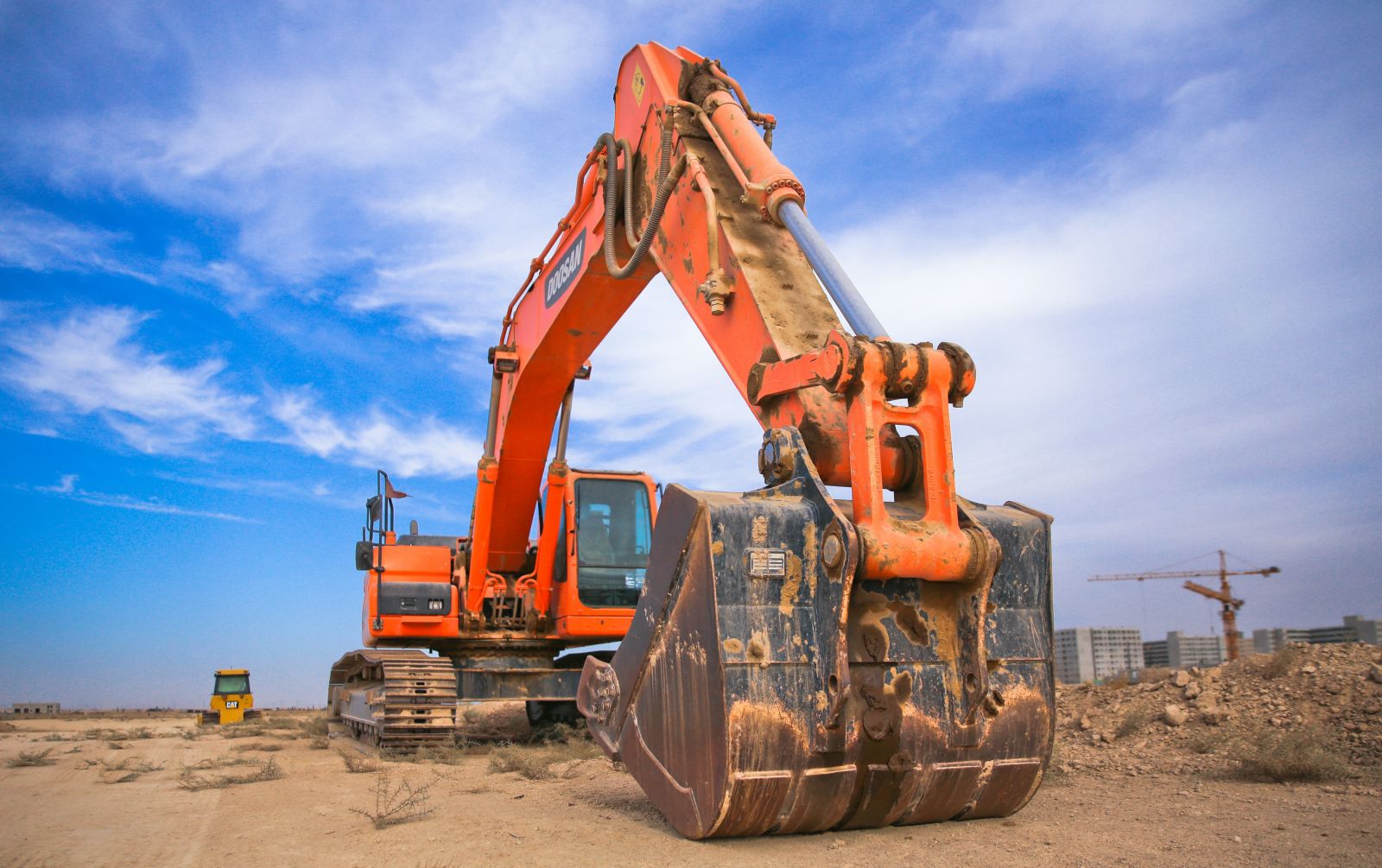
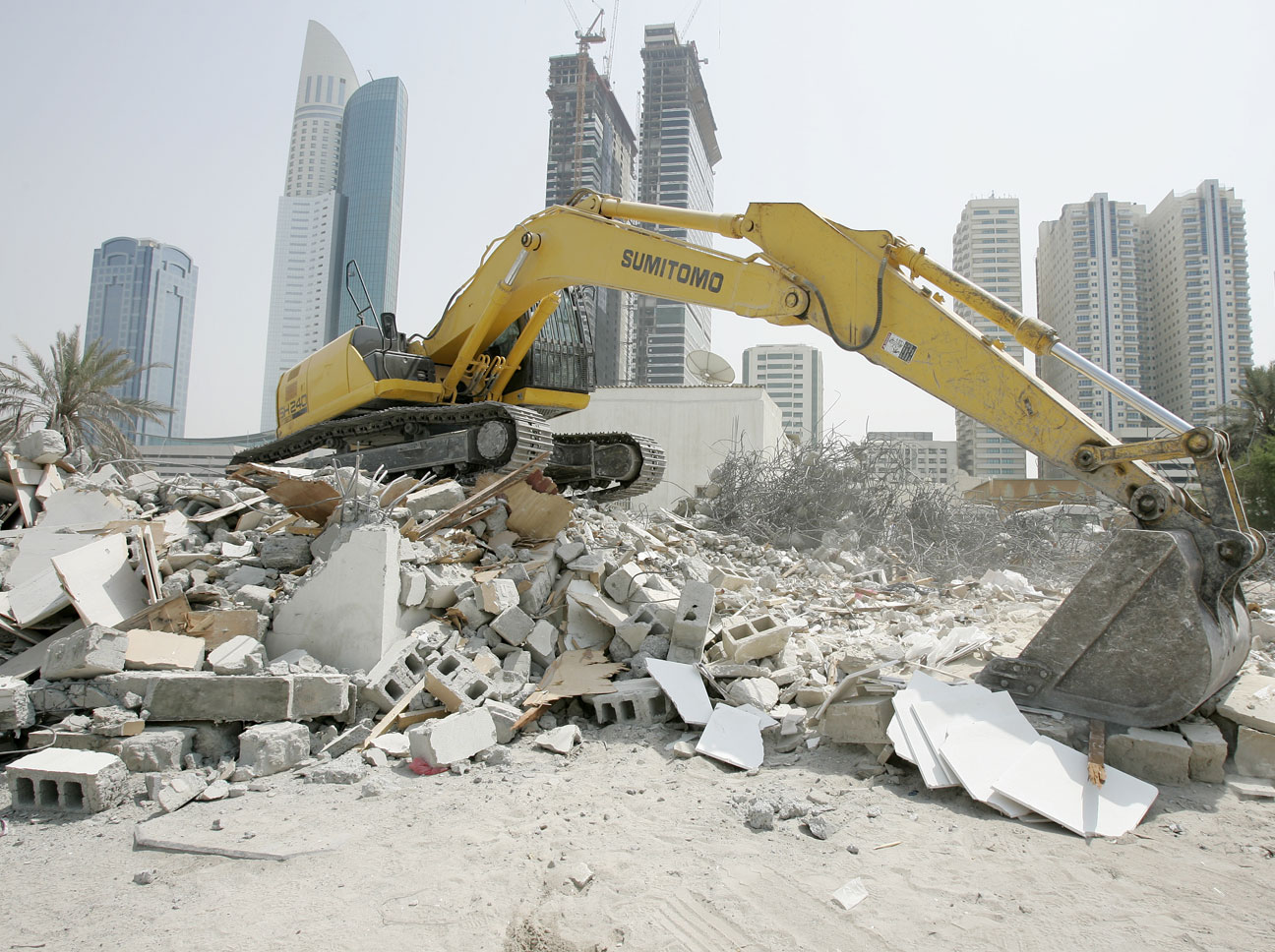
Demolition is a machine-driven industry. While manual labor has its place, a full villa demolition or a large site demolition requires heavy iron.
The Warning Sign:If a contractor shows up to quote a large job and talks about doing it mostly by hand or with undersized equipment (like a single bobcat for a two-story house), run away.
Why Equipment Matters:
Top-tier residential & commercial demolition contractors own or lease a fleet of well-maintained machinery, from micro-diggers for tight access to 30-ton excavators for major structural work.
Demolition is a messy business, but the paperwork should be spotless.A major red flag is a contractor who operates on handshake deals, refuses to provide a written timeline, or is difficult to reach during the estimation phase.
The "Ghost" Contractor:If they are slow to reply before they have your money, imagine how hard they will be to find when they are halfway through the job and a pipe bursts.
The Scope of Work:A lack of a written contract leads to "Scope Creep."
Professional building demolition services provide a contract that clearly defines:

When you see these red flags, your instinct might be to ignore them to save a few thousand Dirhams. But in construction, the cheap way is almost always the expensive way in the long run.
A botched demolition can result in stopped work orders from the municipality, damage to utility lines, and sleepless nights.
By hiring licensed demolition contractors, you aren't just paying for the machine; you are paying for the insurance, the expertise, the permits, and the guarantee that the site will be cleared safely and legally.
Don't gamble with your property. Whether you need precise block wall demolition, complex retaining wall removal, or full-scale site demolition, trust the team that follows the rules.
We are one of the region's leading concrete removal companies, fully licensed and insured to handle both residential & commercial demolition.
Spot the red flags? Then switch to the green light. Visit our Demolition Services Page today for a transparent, professional, and safe quote for your project.
.png)