Signing the contract for a new swimming pool is an exciting moment. You can already picture the finished result: the cool water, the tile coping, and the summer parties. However, between that signature and your first swim lies the most heavy-duty phase of the project: swimming pool excavation.
Suddenly, your backyard is no longer a garden; it is a construction site. Heavy machinery will arrive, tons of earth will be moved, and the noise level will rise.
As a professional pool excavation company, we want your project to run as smoothly as possible. While we handle the heavy lifting, a successful dig requires a partnership between the contractor and the homeowner. A little preparation on your end can prevent costly delays, protect your property, and ensure the safety of our crew.
Here are the 5 critical things you must do before we break ground.
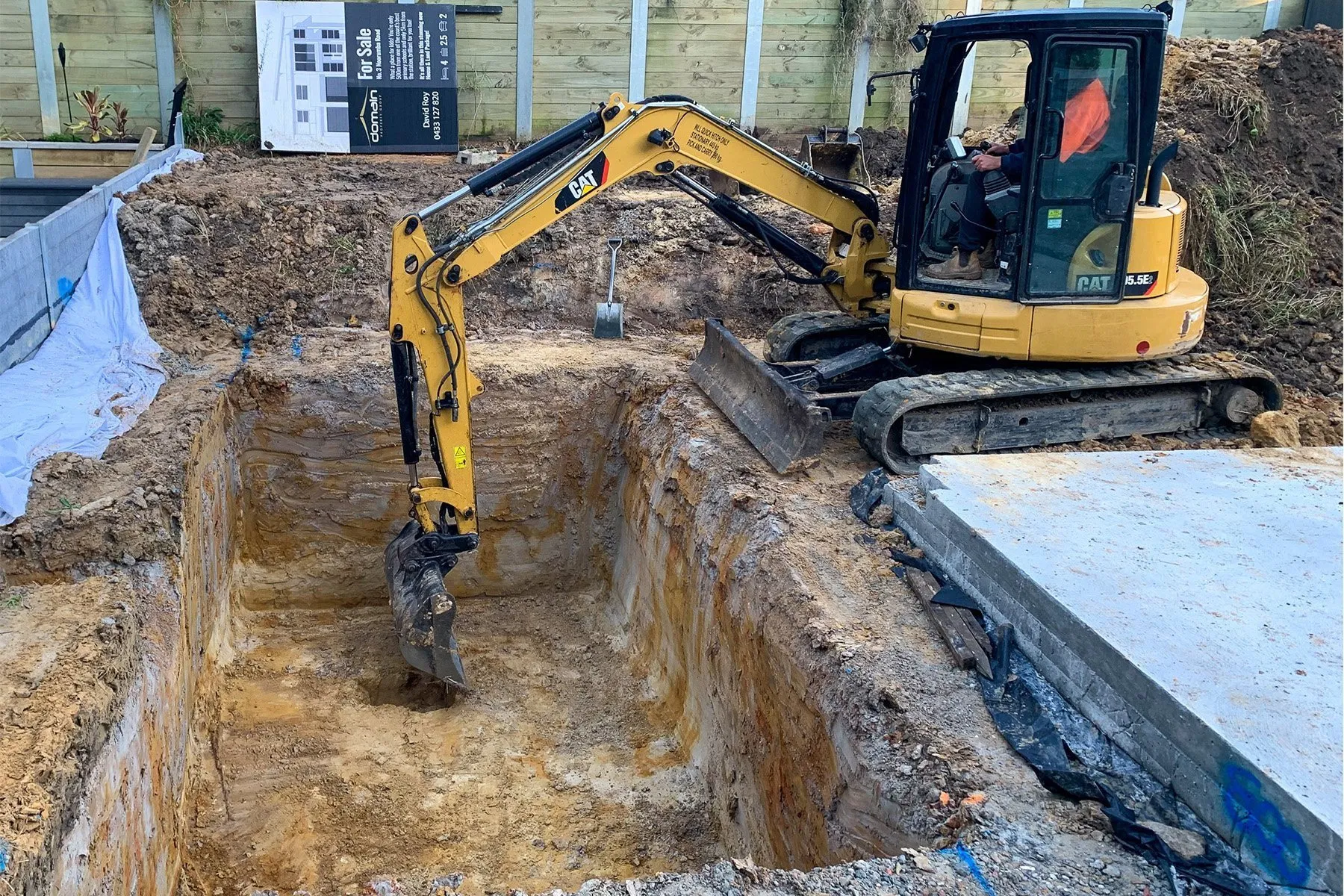
You cannot simply wake up one morning and decide to start digging a pool. Whether you live in a gated community, a suburban neighborhood, or a rural area, there is always paperwork involved.
Before you search for "swimming pool excavators near me" and book a date, ensure you have the "Green Light" from two main bodies:
Why do this first?If machinery arrives on-site and we are shut down by an inspector because a permit is missing, you will likely still be liable for the daily rental rate of the equipment. Ensuring the paperwork is signed saves you from unnecessary pool excavation cost overruns.
This is the most critical safety step. Your backyard is likely hiding a web of invisible infrastructure: gas lines, water pipes, electrical cables, and sewage lines.
While an experienced pool excavation company is skilled at operating machinery, we cannot see through the earth. Hitting a gas line or a main power cable during swimming pool digging is dangerous and expensive to fix.
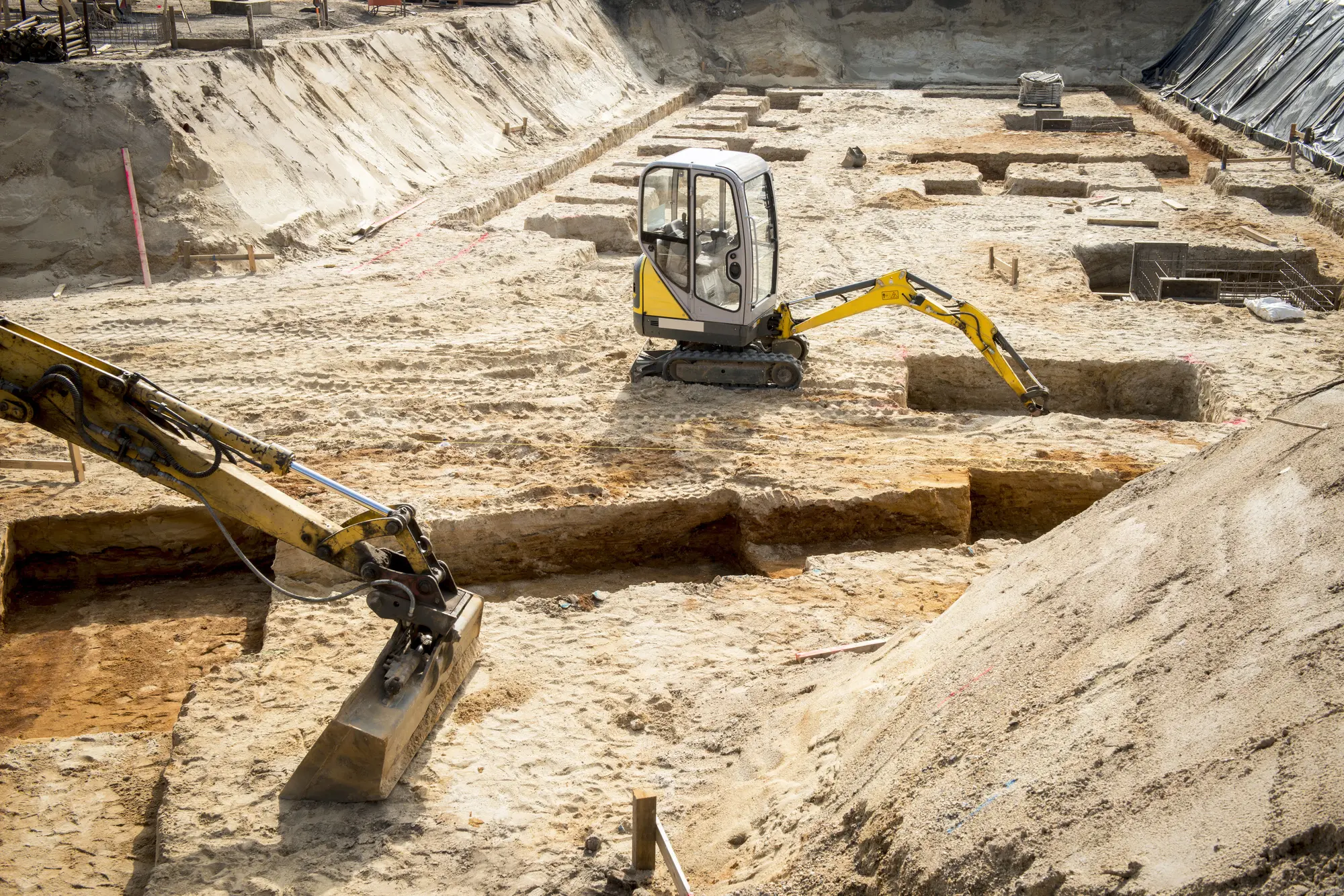
When you hire us for pool excavation near me, we need to get our equipment from the street to the dig site. The "access path" is the lifeline of the project.
Walk the path that the excavator will take.
Pro Tip: If access is extremely tight (requiring specialized micro-equipment), tell your contractor immediately. This changes the logistics and can influence the cost of pool excavation.
Swimming pool excavation creates dust, vibration, and traffic. While we take care to use ground protection mats for driveways, the immediate zone around the pool hole will be a construction zone.
If you have a prize-winning rose bush, a beloved Japanese Maple, or expensive patio furniture near the dig zone—move it.
Whether you are planning to dig a swimming pond with natural edges or a sleek geometric pool, the machine needs swing room. Clear a perimeter of at least 2 meters around the future water's edge.
This is often overlooked, but it is crucial for a stress-free build. Digging a pool is loud. There will be diesel engines, the beep-beep of reversing trucks, and potentially the hammering of rock breakers.
A surprise construction site next door can make neighbors grumpy, leading to noise complaints and tension.
Most neighbors are understanding if they are warned. They might even ask you for the number of your swimming pool excavators near me for their own projects!
Finally, make sure you and your contractor are 100% clear on the "Muck Away" plan.When digging for a pool, the soil expands (swells). A medium pool creates a mountain of dirt.
Decide this before the trucks leave. Bringing soil back is much more expensive than keeping it there.
The difference between a nightmare project and a dream project is usually preparation. By handling these five steps before the heavy iron arrives, you ensure that the focus stays on digging your pool efficiently and safely.
A prepared site means the operator can work faster, which helps keep the pool excavation cost on budget and the timeline on track.
If you have checked these items off your list and are looking for a reliable pool excavation company to handle the heavy lifting, contact us today. We specialize in precision digging, tight access solutions, and turning backyards into paradises.
.png)