In the construction industry, the foundation of every successful project—whether it is a luxury villa, a sprawling warehouse, or a simple garden renovation—is the ground it stands on. Before the first brick is laid or the first seed is planted, the earth must be tamed.
This process, known as grading and leveling, is the art of sculpting the land to meet specific architectural and engineering elevations.
However, when a property owner decides to initiate site preparation services, they are often confronted with a choice of machinery. You look at the quotes from ground leveling contractors near me, and you see different equipment listed. One quote specifies a "Bobcat" (Skid Steer Loader). Another specifies a "Motor Grader."
The price difference is significant. The size difference is massive. So, which one do you actually need?
Choosing the wrong machine can lead to two outcomes: overpaying for a machine that is too big for the job, or hiring a machine that is too small and takes weeks to finish a days-long task.
In this guide, we will pit these two titans of earthmoving against each other. We will analyze their strengths, their limitations, and help you understand how professional construction site preparation companies decide which key turns the ignition on your project.

When people say "Bobcat," they are usually referring to a Skid Steer Loader. It is the most common machine found on construction sites globally. Small, agile, and incredibly versatile, it is the go-to tool for leveling uneven ground in tight spaces.
A Bobcat moves dirt using a front-mounted bucket or a grading attachment. It steers by skidding its wheels (hence the name), allowing it to turn 360 degrees within its own footprint.
While excellent for final grading services on small plots, a Bobcat relies heavily on the skill of the operator. Because it has a short wheelbase, it tends to ride over bumps rather than shaving them off. Without specialized attachments (like a grading bar), it can struggle to achieve perfect flatness over a large area.
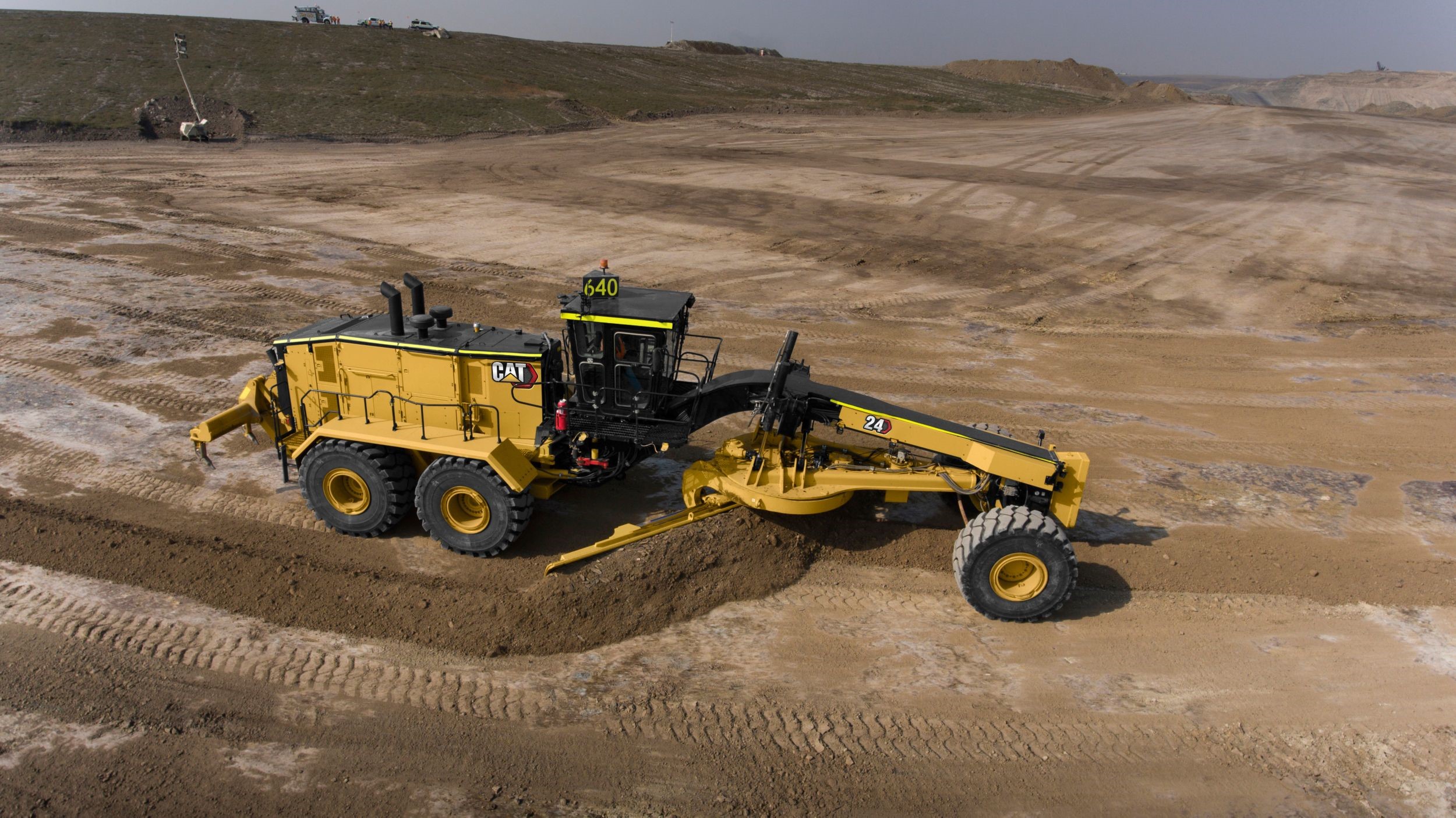
The Motor Grader is a specialized beast. It is a long machine with six wheels and a massive blade (moldboard) located between the front and rear axles.
The grader is designed for one thing: flatness. Because the blade is suspended in the middle of a long wheelbase, it is unaffected by the bumps the wheels drive over. It shaves the earth with surgical precision.
It is huge. A motor grader needs room to move and turn. It cannot fit into a standard residential driveway. It is also expensive to mobilize (transport) to the site. Hiring a grader for a 500 sqm plot is usually overkill and financially inefficient
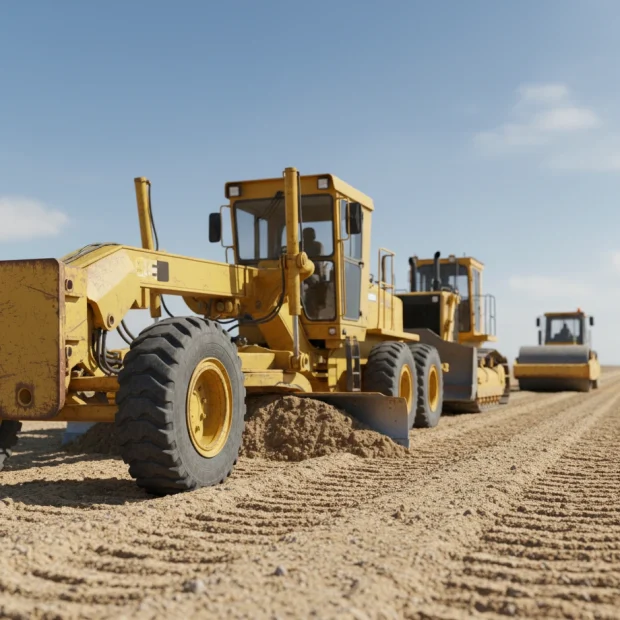
To help you decide, let's break down the critical factors involved in building site preparation.
Modern technology has blurred the lines between these machines.Today, top-tier ground leveling contractors fit their Bobcats with "Laser Grading Boxes."
This attachment transforms a humble Skid Steer into a mini-Motor Grader.
This technology is revolutionizing site clearing and preparation for mid-sized projects like tennis courts or large villa compounds, offering the best of both worlds.

On complex construction sites, it is rarely an "Either/Or" choice. Experienced construction site preparation companies often use a fleet strategy.
The Workflow:
This combined approach ensures speed on the straightaways and detail in the corners.
Ultimately, as a client, you shouldn't have to worry about buying the machine. You need to worry about hiring the right partner.
When you search for ground leveling contractors near me, look for companies that own a diverse fleet.
Site preparation contractors with a mix of equipment can give you an honest assessment. They will deploy the machine that fits your budget and your timeline.
Leveling looks easy—it's just pushing dirt, right? Wrong.Grading and leveling is engineering. It determines how water drains, how stable your foundation is, and how much concrete you will waste.
Don't let the wrong machinery slow down your start.
Are you unsure which machine is right for your specific plot?We are the experts in grading and site prep. We own the fleet—from agile skid steers to heavy-duty graders equipped with laser technology.
We analyze your site, your access, and your engineering requirements to deploy the perfect solution.
Ready to break ground?Visit our Ground Leveling Page to request a site survey and get a quote tailored to your land.
.png)