Choosing between a boom lift rental and a scissor lift is a common challenge for construction, maintenance, and industrial projects. Each type of lift serves different purposes depending on height, reach, and site conditions. This guide explains the key differences, costs, and best use cases to help you choose the right construction lift rental.
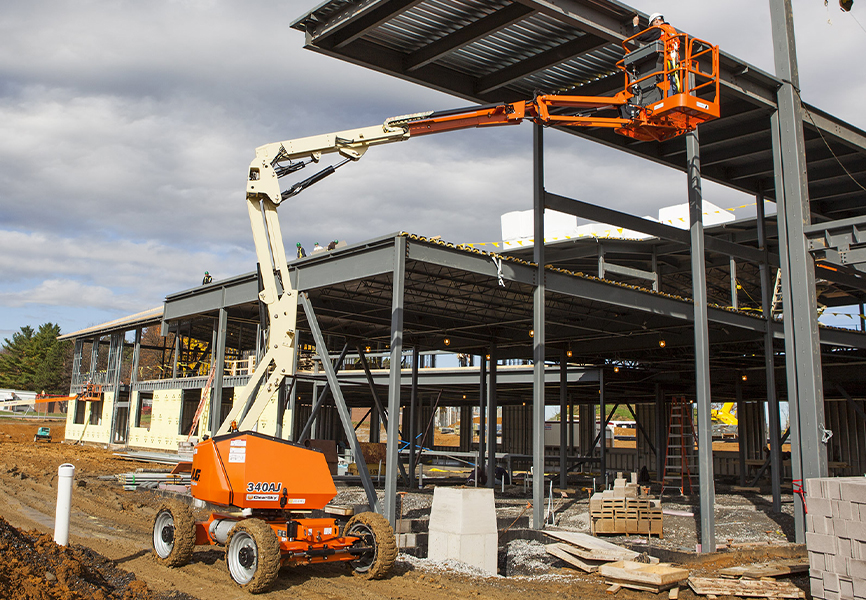
A boom lift is designed for vertical and horizontal reach, making it ideal for complex access tasks.
Key benefits of boom lift rental:
Popular options include small boom lift rental for compact areas and high lift rental such as 70 foot boom lift rental for large-scale projects. Boom lifts are often used for façade work, steel installation, and maintenance at height.
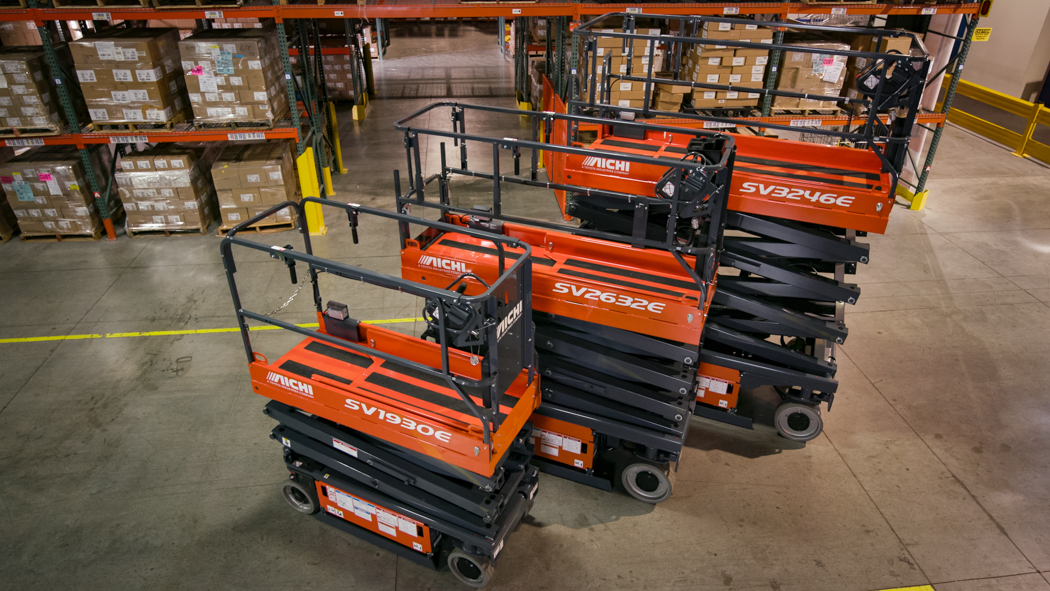
Scissor lifts move strictly vertically and are best for stable, flat surfaces.
Best use cases:
Scissor lifts are usually more affordable than boom lifts, but they lack horizontal reach.

Because of their flexibility, boom lift rental cost and boom lift hire cost are generally higher than scissor lifts.
Typical boom lift rental prices depend on height and duration:
When comparing boom lift rental companies, always check included services, maintenance, and delivery.

Choose a boom lift on rent if:
Choose a scissor lift if:
For complex construction tasks, boom lift hire offers unmatched flexibility and reach. While scissor lifts are cost-effective for indoor jobs, boom lifts remain the best option for high-access and outdoor projects.
.png)