Deep Excavation Shoring: Secant Piles vs. Sheet Piles for Dubai Soil

Deep Excavation Shoring: Secant Piles vs. Sheet Piles for Dubai Soil

In the vertical city of Dubai, the most critical engineering often happens before the first floor is ever built. It happens underground. With skyscrapers demanding multi-level underground car parks and luxury villas requiring vast basements, deep excavation has become a standard requirement for modern construction.

However, digging deep in Dubai is a fight against nature. The city’s geology is predominantly loose sand, and in many prestigious areas like Business Bay, The Palm, or Dubai Marina, the water table sits aggressively high. You cannot simply dig a hole; the sand will collapse, or the water will turn your site into a swimming pool.

To prevent this, excavation companies utilize Shoring—a structural system that supports the walls of an excavation.

The two heavyweights of the shoring world are Secant Piles and Sheet Piles. Choosing between them is not just a technical decision; it is a financial one that impacts your timeline, budget, and safety.

In this guide, BuildOra G explores the battle between concrete and steel. We will help you understand which method suits your project, how they interact with Dubai’s soil, and why hiring experienced excavation contractors is non-negotiable.

A deep basement excavation site in Dubai showing a wall of intersecting concrete Secant Piles holding back the earth and groundwater.

1. The Battlefield: Understanding Dubai’s Soil

To choose the weapon, you must know the enemy. In excavating services, the "enemy" is the ground condition.Dubai’s soil presents two main challenges for deep excavation:

  1. Cohesionless Soil (Sand): Dry sand flows like water. It has no structural strength to hold a vertical cut. If you dig deeper than 1.2 meters without support, the risk of sidewall collapse is near 100%.
  2. Hydrostatic Pressure: Groundwater is heavy. When you excavate below the water table, the water outside the pit pushes inward with immense force.

Therefore, the ideal shoring system must do two things: Retain the Earth (stop the sand from falling in) and Cut off the Water (stop the pit from flooding).

2. Contender A: Sheet Piles (The Steel Wall)

Sheet piling is one of the most common methods seen on construction sites globally. It involves driving interlocking steel sections vertically into the ground to form a continuous wall.

How it Works

Excavation contractors use a vibratory hammer attached to a crane or a heavy excavator to push the steel sheets into the ground. Once the sheets are in place, the soil inside is excavated.

The Pros:

  • Speed: Sheet piles can be installed very quickly compared to concrete options.
  • Cost-Effective: For depths up to 4-6 meters, it is often the cheapest option.
  • Recyclable: Since the piles are steel, they can be extracted once the basement excavation is complete and the concrete walls are poured. This "temporary" nature saves material costs.

The Cons in Dubai:

  • Vibration: Driving steel into the ground creates massive vibrations. If you are working in a dense neighborhood (like Jumeirah or Satwa), these vibrations can crack the walls of neighboring villas.
  • Water Leakage: While the joints interlock, they are not 100% watertight. In areas with high water pressure, water will seep through.
  • Depth Limit: For very deep basements (10m+), sheet piles often require excessive bracing (struts) inside the pit, which obstructs the excavating services.

Best For: Open areas, pipeline trenches, shallow basements away from other buildings, and dry soil conditions.
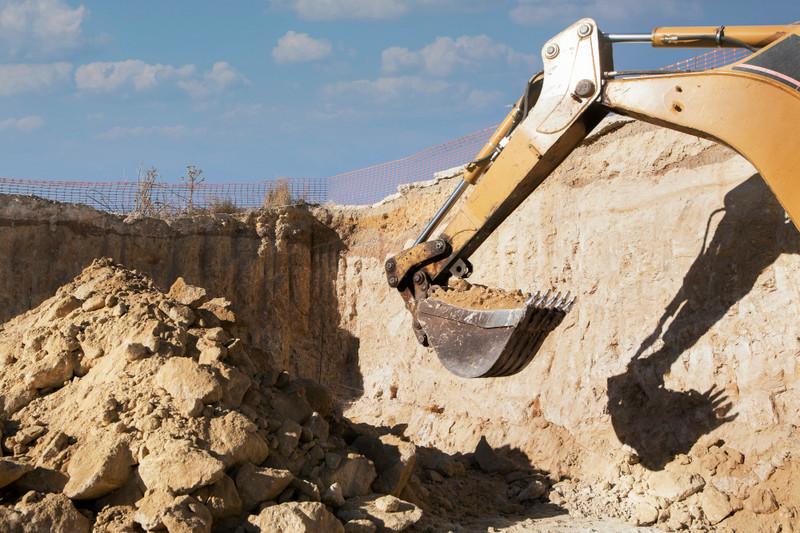
A heavy excavator with a vibratory hammer attachment driving steel Sheet Piles into the ground for a safe excavation project.

3. Contender B: Secant Piles (The Concrete Fortress)

When the going gets tough (or deep, or wet), excavation companies turn to Secant Piles. This method involves drilling intersecting concrete piles to form a rigid, continuous wall.

How it Works

  1. Guide Wall: A small concrete trench is built to guide the drilling rig.
  2. Primary Piles (Female): Unreinforced concrete piles are drilled and poured first.
  3. Secondary Piles (Male): Reinforced concrete piles (with steel cages) are drilled cutting into the primary piles.

This overlapping ("secant") cut ensures there are no gaps between the piles.

The Pros:

  • Watertight: The intersection of the piles creates a near-perfect water barrier. This significantly reduces the cost of dewatering during the basement excavation.
  • Rigid: It creates a massive, strong wall that can support deep cuts (20m+) next to heavy skyscrapers without bending.
  • Low Vibration: Since the earth is drilled out (augered) rather than hammered, there is minimal vibration. It is safe to use right next to an existing building.

The Cons:

  • Cost: It requires heavy drilling rigs, large amounts of concrete and steel, and takes longer to install.
  • Permanent: Unlike sheet piles, secant piles usually stay in the ground forever, becoming part of the permanent foundation system.

Best For: High-rise towers, deep basements near the sea/canal, and projects strictly adjacent to other structures.
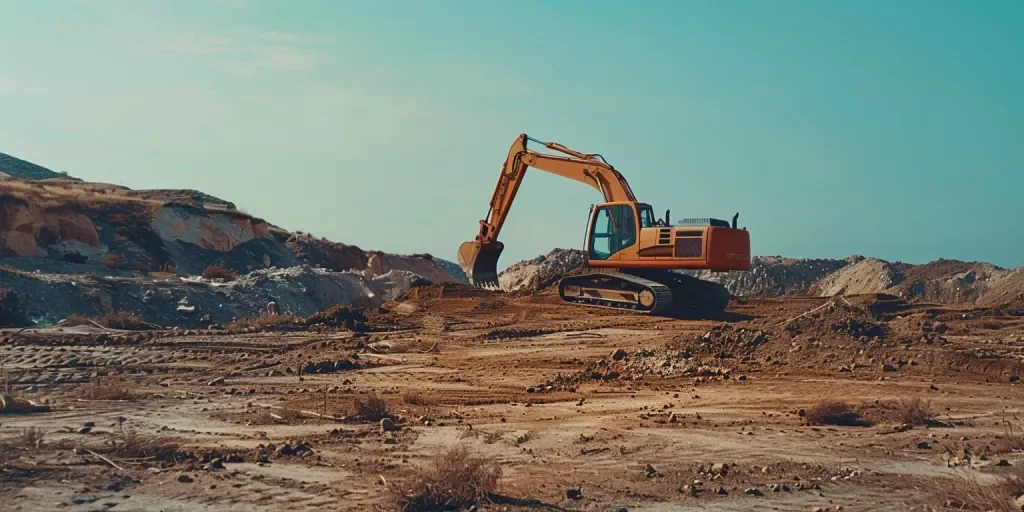
Diagram comparing Sheet Piles vs. Secant Piles, highlighting the overlapping concrete vs. interlocking steel joints.

4. The Role of Mini Excavation in Shoring

You might wonder, where does mini excavation fit into this heavy engineering?Surprisingly, compact machinery is vital for the preparation of these massive systems.

  • Guide Wall Trenching: Before the giant drilling rigs arrive for Secant Piling, we use mini excavators to dig the precise trench for the "Guide Wall." This concrete lip ensures the massive piles are drilled straight.
  • Tight Corners: In villa projects, heavy piling rigs cannot reach corners or areas under overhangs. Here, we use mini excavation units to hand-dig or use smaller shoring methods (like Soldier Piles with timber lagging) to close the gaps.
  • Trimming: Once the piles are installed and the bulk soil is removed, mini excavators are used to "trim" the soil between the piles, preparing the surface for waterproofing.

5. Safety First: Why Shoring is Not Optional

When searching for "excavation companies near me," you might find operators offering to dig a basement without shoring, simply by sloping the sides.While "Open Cut" (sloping) is a valid method, it requires a massive plot of land. In 90% of Dubai projects, you are building close to the boundary wall.

Safe excavation is non-negotiable.Without shoring:

  1. Collapse: The sand creates a "slip circle" failure, burying workers.
  2. Undermining: You might accidentally dig out the soil supporting your neighbor's wall, causing their property to crack or collapse into your pit.

Professional excavation contractors will essentially refuse to dig a deep vertical cut without an engineered shoring design approved by Dubai Municipality.
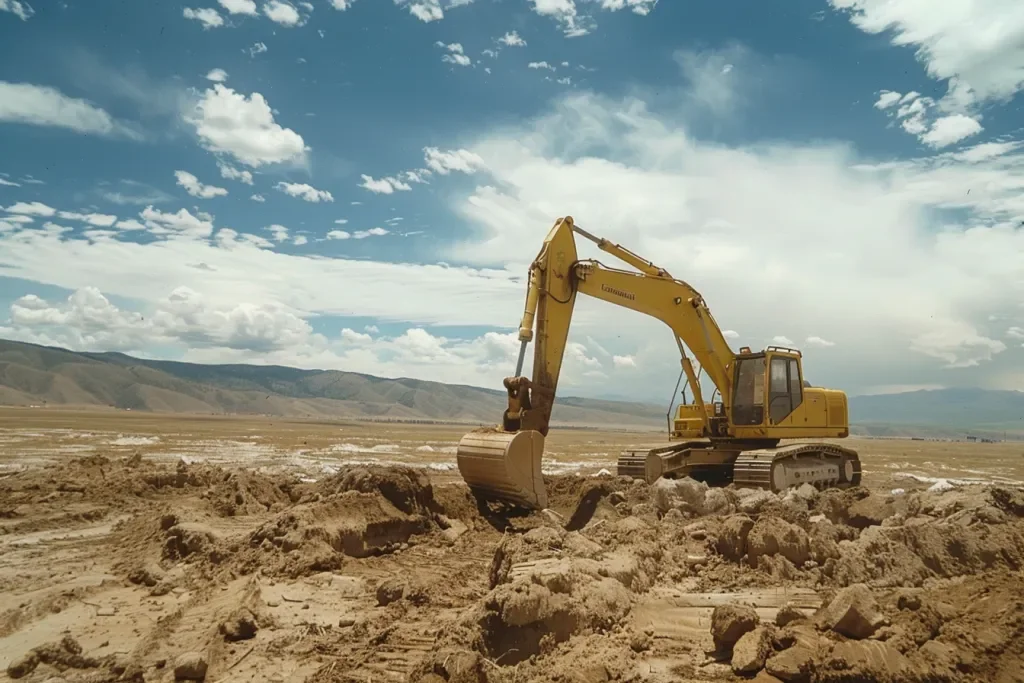
An aerial view of a deep construction site showing the contrast between the excavated pit and the surrounding buildings, protected by shoring.

6. How to Choose: A Quick Decision Guide

Are you confused about which method to specify for your quote? Here is a cheat sheet used by excavating services estimators:

excavation price list

7. Conclusion: The Foundation of Trust

Whether you choose the steel shield of Sheet Piles or the concrete fortress of Secant Piles, the success of your basement excavation depends on the execution. A shoring system is only as good as the team installing it.

At BuildOra G, we don't just move earth; we engineer stability. We assess your soil report, evaluate the neighbor risks, and recommend the most cost-effective solution that guarantees safe excavation.

Secure Your Site Today

Do not leave your project's safety to chance. If you are planning a deep dig, you need a partner who understands Dubai's complex geology.BuildOra G offers comprehensive excavation construction services, from shoring design to the final dig.

Dig Deep. Dig Safe.Visit our Excavation Service Page to request a site consultation and get a technical recommendation for your shoring needs.