In the high-stakes world of Dubai construction, safety isn't just a moral obligation; it is a rigid legal requirement. The Dubai Municipality (DM) enforces one of the strictest safety codes in the Middle East: the Code of Construction Safety Practice.
For developers and contractors, ignorance of this code is not a defense. A single violation can lead to site closure, massive fines, and blacklisting of trade licenses.
The most scrutinised chapter of this code? Excavation.
Because digging involves unstable soil, heavy machinery, and human lives, the authorities monitor excavating services with hawk-like precision. Whether you are digging a simple trench or a massive multi-level basement, you must play by the rules.
At BuildOra G, compliance is part of our DNA. We don't just know the code; we live it. In this guide, we will break down the essential regulations you need to know. We will cover the "1.2 Meter Rule," the mandatory requirements for deep excavation, and why hiring compliant excavation contractors is your best insurance policy against project shutdowns.

If there is one number you must remember, it is 1.2 meters.According to Dubai regulations, any excavation deeper than 1.2 meters is classified as a confined space with a risk of collapse.
What does this mean for you?If you dig deeper than 1.2m, you cannot simply have vertical walls of sand. You have two legal options:
Many "cheap" excavation companies near me will try to skip this to save money. Do not let them. If an inspector sees a vertical cut deeper than 1.2m without support, they will shut down your site immediately.
For deep excavation projects (basements, high-rise foundations), shoring is not optional; it is mandatory.The Code specifies that the shoring design must be:
Common Compliant Systems:
As professional excavation contractors, BuildOra G ensures that every prop, strut, and waller beam is installed exactly according to the approved engineering drawings. We don't guess; we calculate.
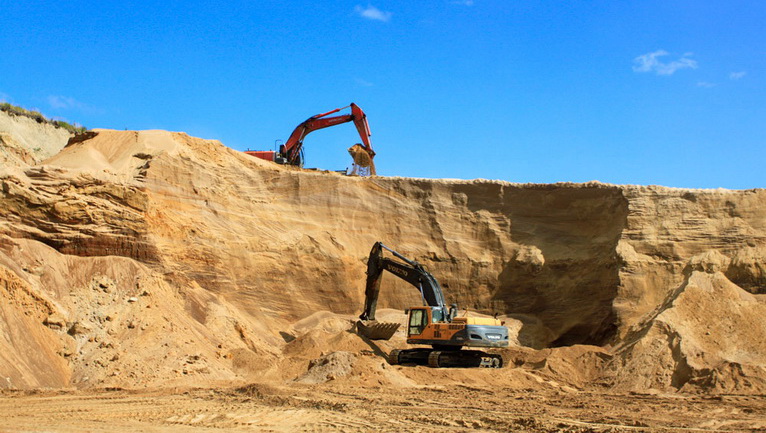
Falling into an excavation is just as dangerous as the excavation falling on you.The Dubai Code requires strict "Edge Protection" for any open pit.
The Barrier Requirement:
The Spoil Pile Rule:Where do you put the dirt you just dug up?The Code states that excavated material (spoil) must be placed at least 1.5 meters (or equal to the depth of the trench) away from the edge.
In an emergency, seconds count. The Dubai Code mandates that workers must have a safe way to enter and exit the excavation.
The 25-Foot Rule:For trench excavations, a ladder or ramp must be located within 25 feet (7.6 meters) of lateral travel for every worker.
For deep excavation sites, we install temporary steel staircases with handrails, ensuring that even if a machine blocks one exit, another is always available.
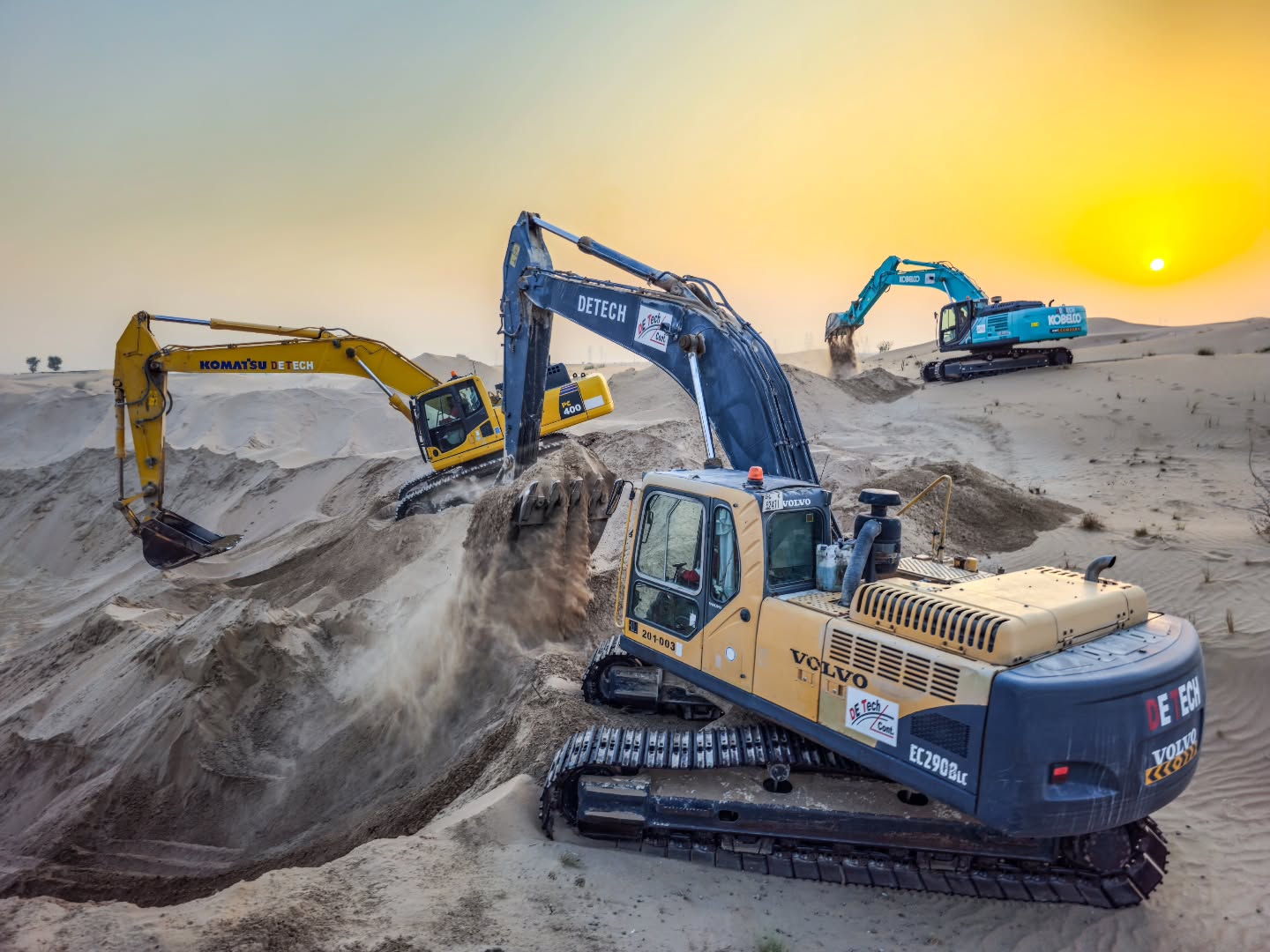
Excavators have blind spots. In the noise and dust of a site, accidents happen.The Code dictates strict separation between machinery and pedestrians.
Safe Excavation Practices:
When providing excavating services, BuildOra G ensures that our operators and banksmen share a common language and set of hand signals to prevent miscommunication.
Compliance isn't a one-time check; it's a daily routine.The Code requires a "Competent Person" to inspect the excavation:
What we check:
We maintain a "Daily Inspection Log" on-site. If a municipality inspector asks for it, we hand it over with confidence.

Many clients view safety regulations as a cost burden. In reality, compliance is cost-saving.
By hiring reputable excavation companies like BuildOra G, you are paying for peace of mind. We absorb the compliance burden. We ensure the permits are valid, the shoring is sound, and the site is inspection-ready 24/7.
The Dubai Code of Construction Safety Practice exists for a reason: to bring everyone home safe.Whether you are digging a pool or a skyscraper, the rules apply to you. Do not risk your project with cowboys who cut corners.
BuildOra G is committed to the highest standards of HSE. We are licensed, certified, and experienced in navigating Dubai's safety regulations.When we dig, we dig by the book.
Ensure your project is safe and legal.Visit our Excavation Service Page to learn more about our safety protocols and request a compliant quotation for your next project.
.png)