Dubai is a miracle of engineering—a metropolis built on sand, rising from the edge of the sea. However, the very geography that makes Dubai beautiful presents a formidable challenge for construction: The Water Table.
In many coastal and inland areas of the UAE, if you dig down just two or three meters, you won't find dry bedrock; you will find water. Saline groundwater seeps through the porous sand, turning a construction site into a swamp within hours.
For any project involving deep excavation—be it a basement, a swimming pool, or a high-rise foundation—ignoring groundwater is a recipe for disaster. It causes sidewall collapses, compromises the soil bearing capacity, and can even float your structure like a boat before the concrete sets.
At BuildOra G, we specialize in dry, stable, and safe excavation. We don't just move earth; we manage the environment. In this guide, we will explore the critical role of dewatering in Dubai’s construction sector. We will explain the methods used by top excavation companies, the importance of excavation shoring in wet soil, and why controlling the water is the first step to a successful build.
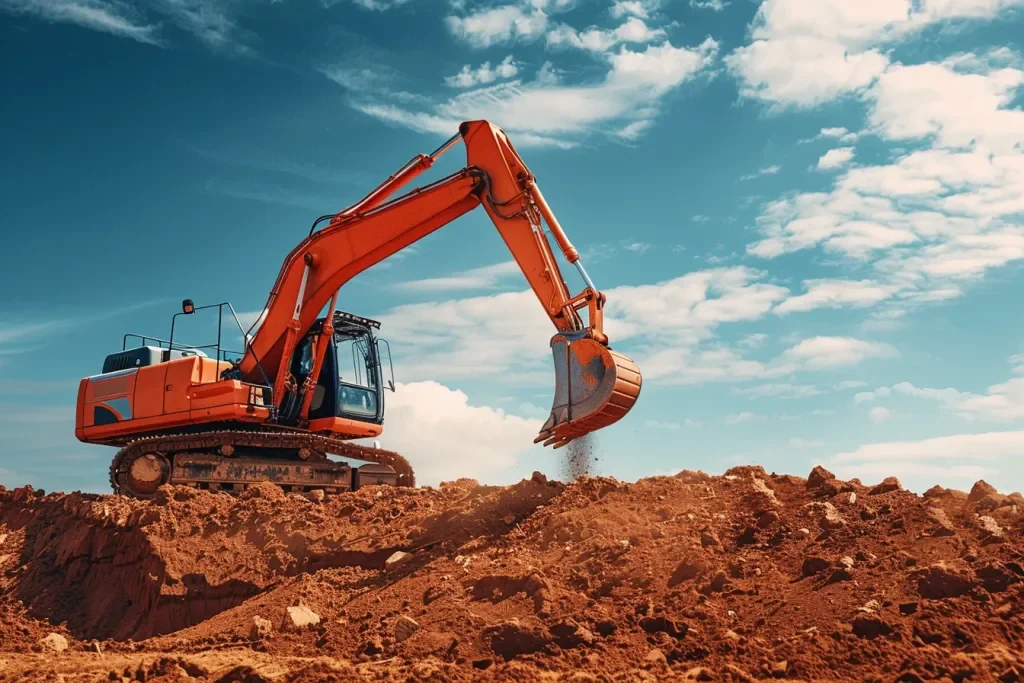
To understand the need for dewatering, one must understand what lies beneath. Dubai’s soil profile is predominantly loose, permeable sand.
The Solution:You cannot stop the water from existing, but you can control where it goes. Dewatering lowers the local water table temporarily, creating a dry cone of depression around your site, allowing excavating services to proceed safely.
Water is heavy. When groundwater saturates the soil behind your excavation walls, it exerts tremendous hydrostatic pressure.If you perform a deep excavation (deeper than 1.5m) without dewatering, the wet sand behind the wall becomes heavier, increasing the load on your excavation shoring system.
The Failure Chain:
Professional excavation companies integrate dewatering with shoring design. By removing the water, we reduce the pressure on the walls, making the site safer and the shoring cheaper to install.
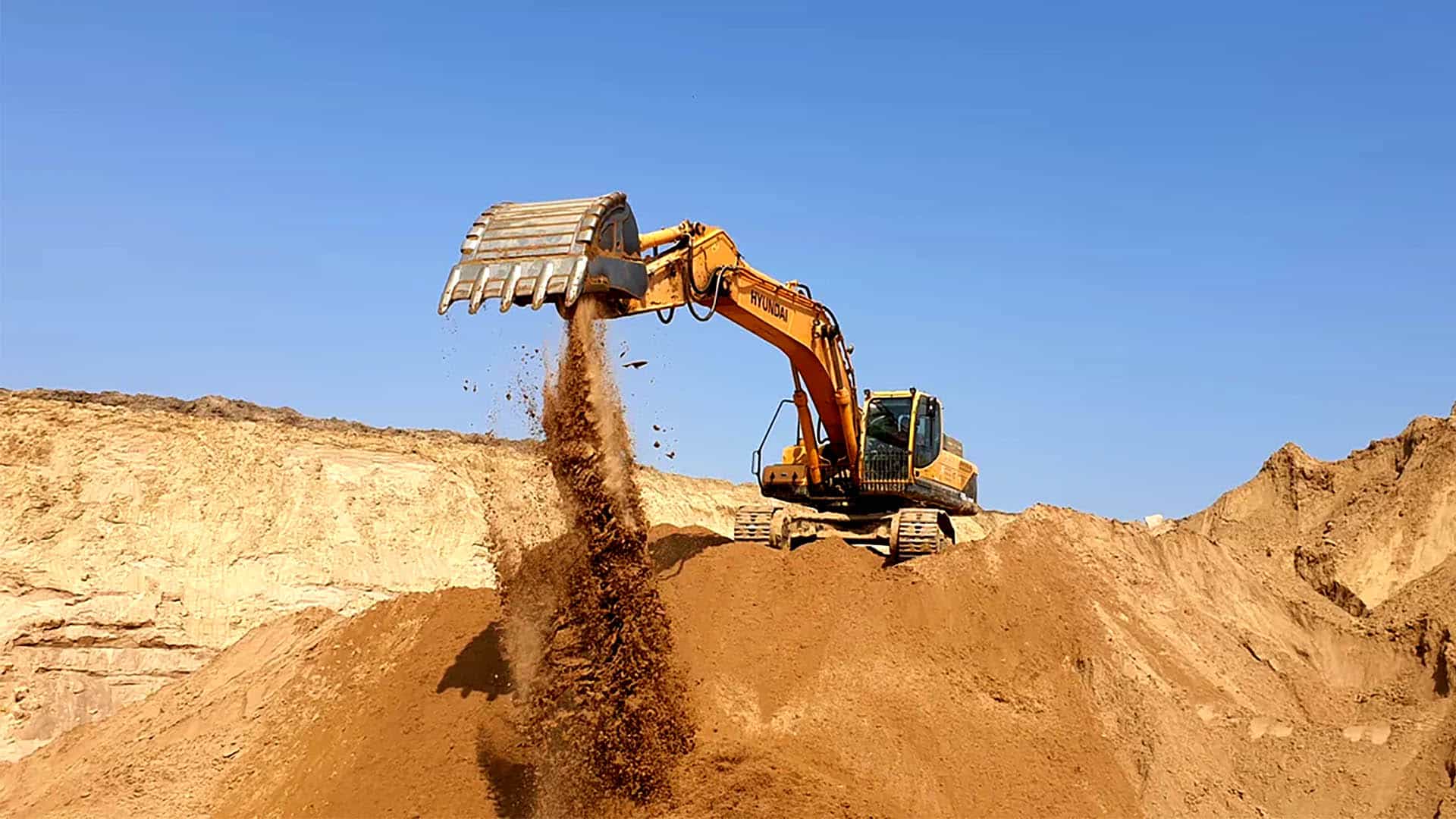
Not all water problems are the same. A swimming pool requires a different approach than a 50-story tower. We employ various techniques based on the soil permeability and depth of the excavation.
Ideal for shallow to medium depths (up to 4-6 meters).
Used for deep excavation projects (high-rises, malls) where the dig goes down 10-20 meters.
The simplest and cheapest method, but only suitable for small amounts of water or "nuisance water."
In Dubai, you cannot simply pump groundwater into the street or the nearest sewer.The water is often saline (salty) and may contain silt. Discharging it incorrectly creates environmental hazards and blocks public drainage.
The Permit Process:As licensed excavation contractors, BuildOra G handles the bureaucracy:

Why is a dry bottom essential? Concrete.Pouring concrete into a muddy, watery hole compromises the structural integrity of your foundation.
Our excavating services ensure the site remains "bone dry" until the concrete cures and the waterproofing is sealed.
Many clients ask if they can skip dewatering to save money. The answer is usually no.Attempting excavation in wet sand leads to:
Safe excavation requires an upfront investment in groundwater control, which pays for itself by keeping the project on track and avoiding catastrophic failures.
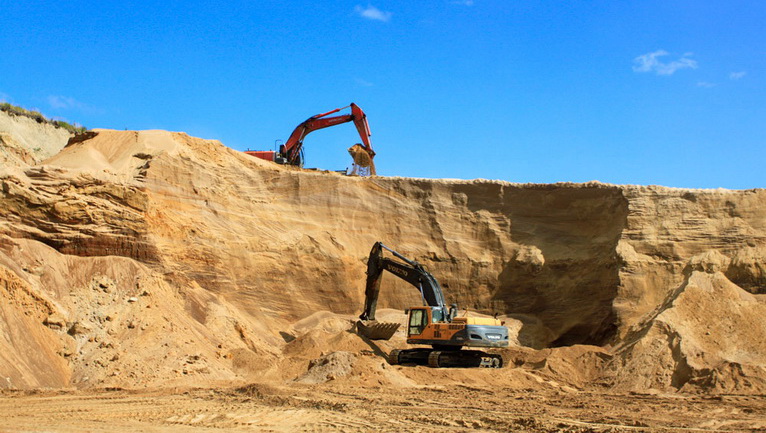
Water is the enemy of the excavator. In Dubai's challenging geology, controlling groundwater is the difference between a successful project and a construction nightmare.
Whether you are building a basement or installing deep utilities, you need a partner who understands the hydro-geology of the UAE.
Don't let your project sink. BuildOra G provides integrated excavation and dewatering solutions. We design the system, obtain the permits, and manage the pumps 24/7, ensuring your site is dry, stable, and ready for construction.
Dig dry. Dig safe.Visit our Excavation Service Page to consult with our engineers about your groundwater challenges today.
.png)