In the world of construction and real estate development, an older building often represents opportunity. It is a prime location waiting to be reborn, a plot of land ready for a modern villa, or a commercial site ripe for redevelopment. However, beneath the peeling paint and within the aging walls of structures built before the year 2000, there often lurks a silent, invisible threat.
Hazardous materials.
For property owners and developers, the excitement of starting a new project can quickly turn into a legal and financial nightmare if these materials are disturbed without a plan. You cannot simply send in a bulldozer to level a building containing asbestos or lead. Doing so releases toxic fibers into the air, endangering workers, neighbors, and the long-term viability of the land itself.
Before we can discuss heavy debris removal or the logistics of muck away services, we must first address the "clean-up" phase. In this guide, we will uncover the hidden dangers in older buildings, the strict protocols for their removal, and how professional contractors transition a site from "hazardous" to "safe and cleared."

The most notorious of all building contaminants is asbestos. For decades, asbestos was the "miracle material" of the construction world. It was fireproof, durable, cheap, and an excellent insulator. As a result, it was used in everything from roof sheets and floor tiles to pipe lagging and cement.
It wasn't until later that the severe health risks—specifically lung cancer and mesothelioma—became undeniable.
In a standard older building, asbestos can be found in:
Asbestos is relatively harmless when it is intact. The danger arises during demolition. When an excavator crushes a wall containing asbestos, the material becomes "friable" (crumbles into dust). These microscopic fibers become airborne and can be inhaled.
This is why construction waste removal protocols are so strict. You cannot mix asbestos waste with standard concrete rubble. It requires a specialized abatement team to remove it manually before the main demolition begins.
While asbestos gets the headlines, older buildings harbor other toxic materials that complicate the site clearance services process.
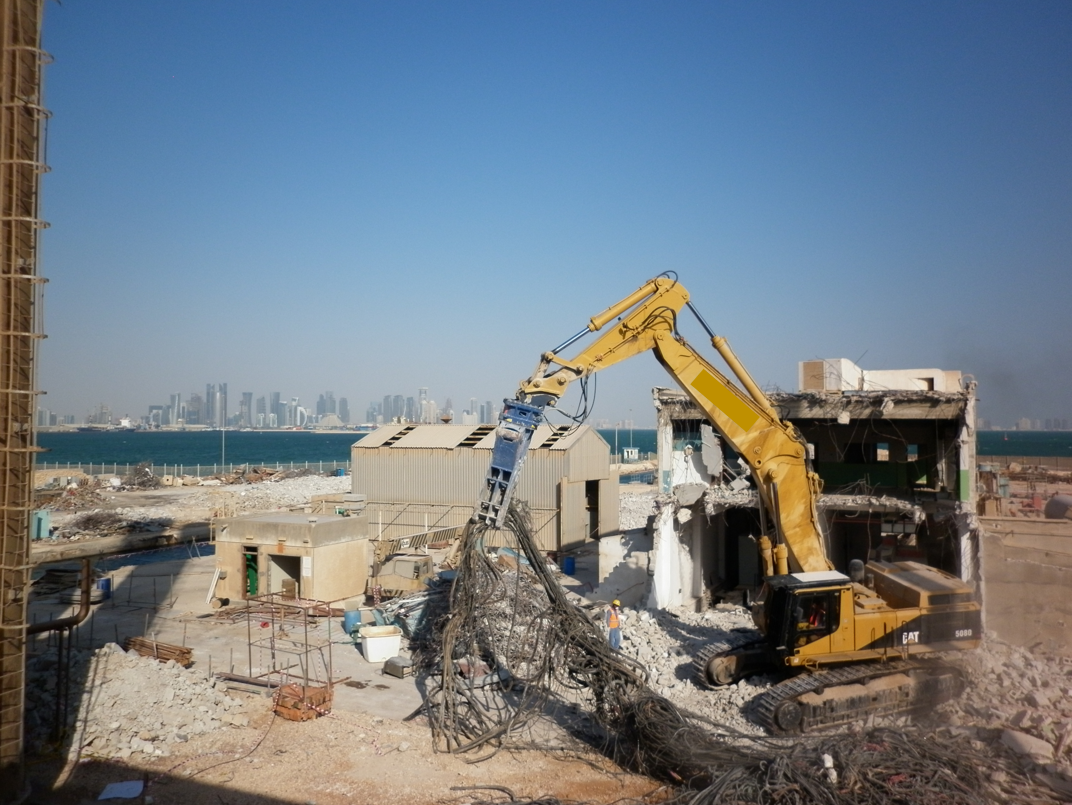
Before any heavy machinery arrives for heavy debris removal, the building must undergo a "Soft Strip." This is a surgical process.
A certified inspector will survey the building, taking samples of materials to test for contaminants. If hazards are found, a "containment zone" is established. The hazardous materials are removed by hand, sealed in double-bagged, labeled containers, and transported to specific hazardous waste landfills.
Only once the building is certified "Clean," can the actual structural demolition begin. This certificate is often required to get the final demolition permit from the municipality.
Once the hazardous elements are gone, the site is classified as "non-hazardous," and the heavy iron moves in. This is where the speed and efficiency of the project pick up.
The building shell—now just steel, concrete, and blockwork—is brought down.However, even "clean" demolition requires smart management. Concrete debris removal is a massive logistical challenge. A single villa can generate 500+ tons of heavy rubble.
The Role of Heavy Debris Removal:
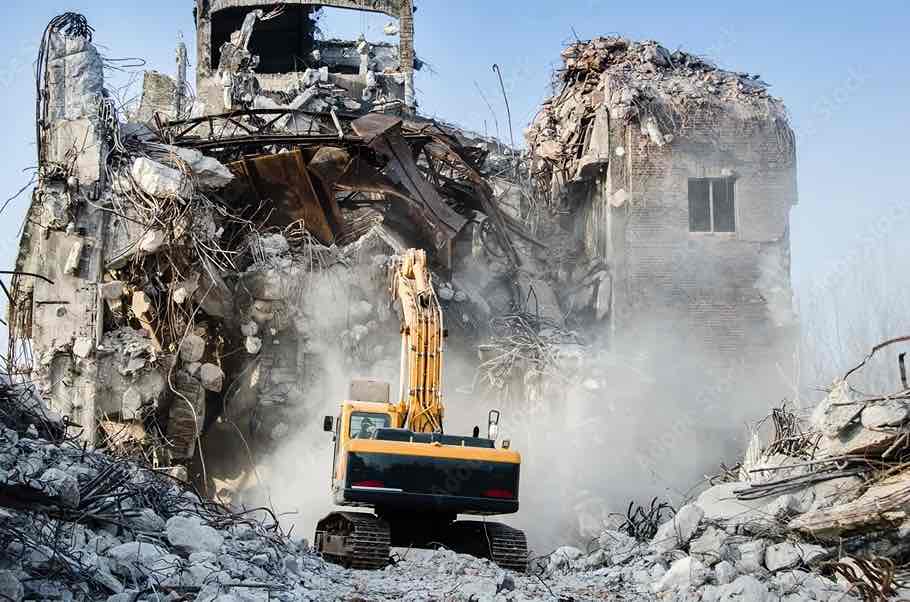
The term "Muck Away" refers to the removal of inert waste from a construction site. It is the lifeblood of the demolition timeline. If the waste isn't moving, the demolition stops because there is no room to work.
Professional muck away services are essential for keeping a project on schedule.
Sometimes, the danger isn't in the building; it is under it.If an older building had leaking sewage pipes, oil tanks, or chemical storage, the chemicals may have leached into the ground.
Once the concrete slab is lifted, we often find contaminated soil. This brings us to site clearance services and, specifically, sand removal services.
The Remediation Process:
Leaving contaminated soil behind is not an option. It can corrode the new foundations or release gases into the new building, leading to "Sick Building Syndrome."
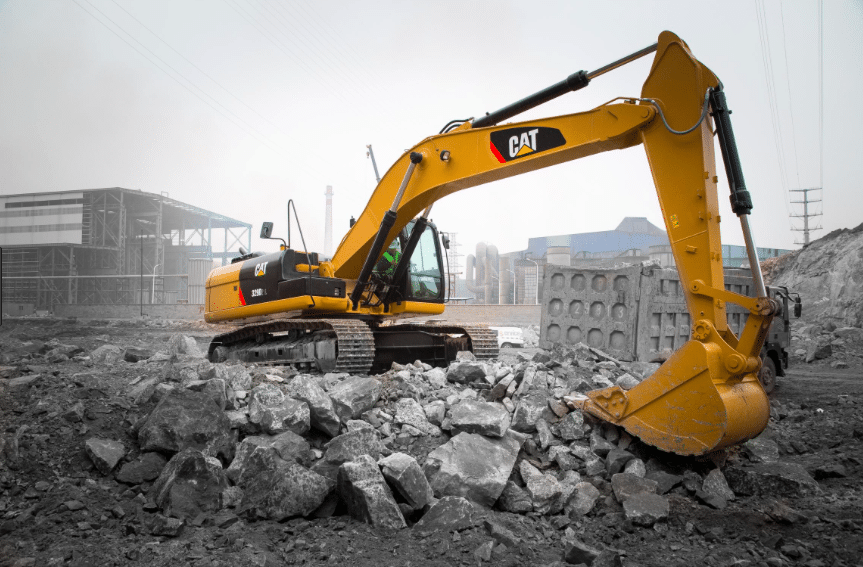
The final stage of the project is site clearance services. This is the handshake between the demolition contractor and the new construction team.
A site clearance isn't just about removing the big rocks. It involves:
By the time the construction waste removal trucks leave for the last time, the site should be a blank canvas—safe, clean, and certified.
Dealing with hazardous materials in older buildings adds a layer of complexity and cost to the demolition process. However, cutting corners here is the most expensive mistake you can make.
Hiring a contractor who understands the full lifecycle—from asbestos abatement and heavy debris removal to the final sand removal services—protects you from liability and ensures your new project is built on safe ground.
Don't let hidden dangers derail your development. Trust the experts who prioritize safety and compliance. We offer end-to-end solutions, including hazardous material handling, muck away services, and complete site clearance services.
Visit our Demolition Services Page to request a site survey and ensure your project starts with a clean slate.
.png)