Calculating the correct working height is crucial for selecting the right boom lift for your construction or maintenance project. Choosing incorrectly can lead to safety hazards, inefficiency, and higher costs. In this guide, we’ll show you how to measure, compare lift types, and select the right boom lift.
Check our page - Boom Lift Rental

Working height is the maximum vertical reach of a boom lift, including the platform and operator’s height. Correctly calculating it ensures:
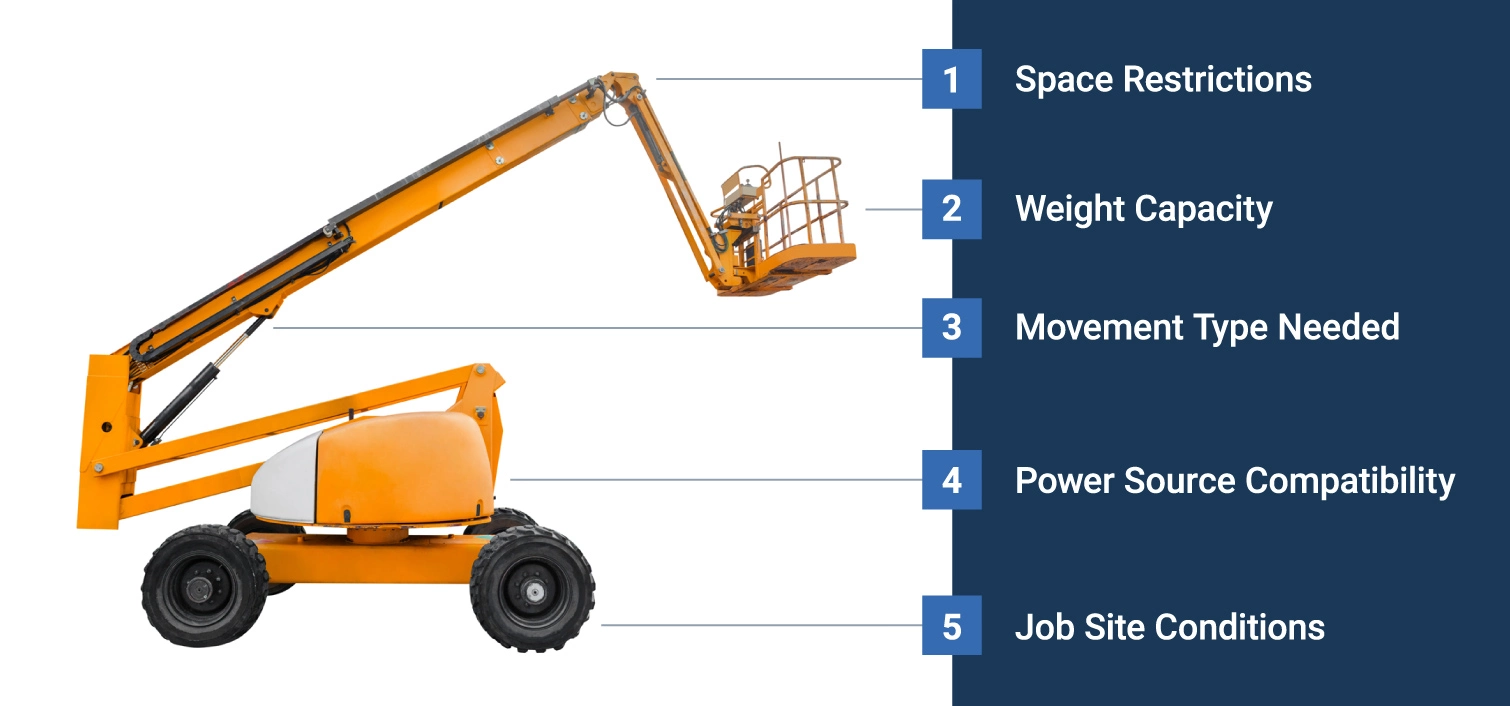
Several factors impact the effective working height:
Step 1: Measure Platform Height
Determine the platform height at full extension from the manufacturer specs or rental sheet.
Step 2: Add Operator Height
Add average operator height to platform height for safe reach calculation.
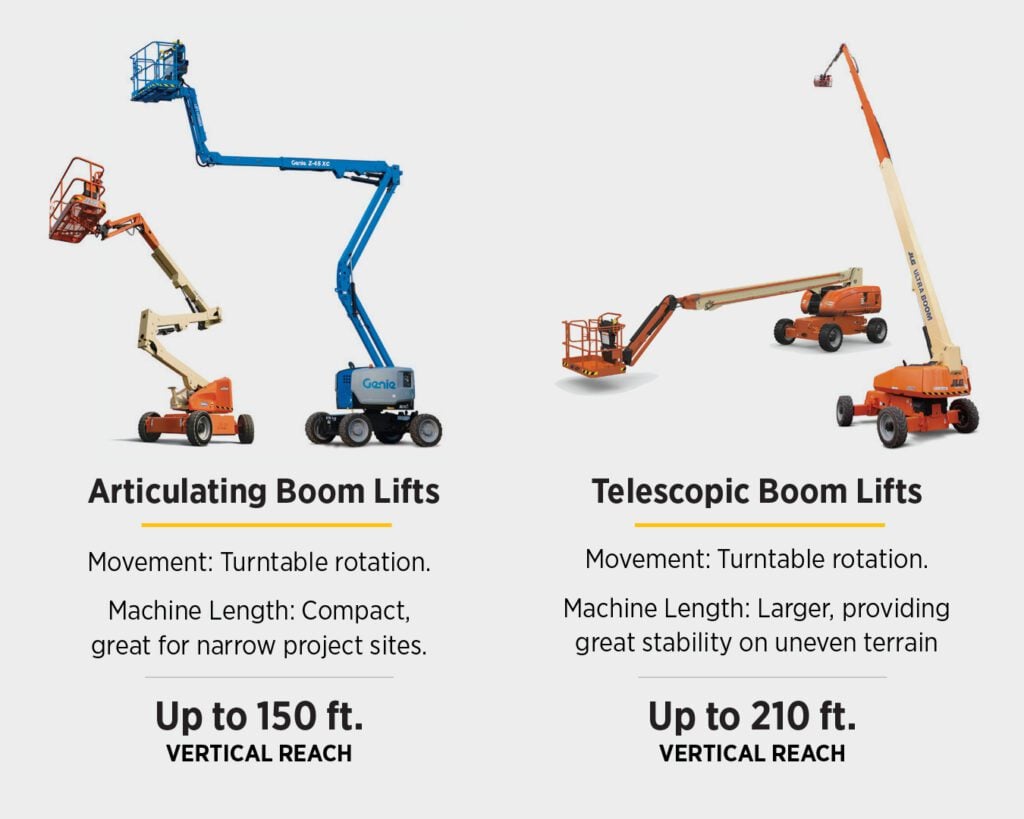
Step 3: Consider Boom Type
Telescopic booms usually have higher reach than articulated booms at full extension.
Step 4: Adjust for Load & Safety Margin
Deduct ~0.5–1 m for safety and heavy loads to prevent tipping risks.
Example:
Platform height: 15 m
Operator height: 1.8 m
Safety deduction: 0.7 m
Working height = 16.1 m
Boom lift rental prices depend on height, type, and duration:

Choosing the correct working height ensures efficiency, safety, and cost savings. Whether you need a small boom lift rental, a high lift rental, or a boom crane rental, our team will guide you to the perfect equipment.
.png)