When we think of demolition, we usually picture a massive wrecking ball smashing a building from the outside. But what happens when you need to keep the building standing, but gut the inside?
Whether it is stripping a retail unit in a shopping mall, removing a concrete mezzanine in a warehouse, or knocking down walls for an open-plan villa renovation, interior demolition is a logistical nightmare.
Traditionally, this was the domain of the sledgehammer. Armies of laborers would spend weeks chipping away at concrete, creating dust, noise, and delays. It was slow, back-breaking, and expensive.
Today, the industry has shifted. The rise of the micro excavator rental has brought hydraulic power indoors.
Contractors can now drive a machine through a standard doorway, track it across a tiled floor, and use a hydraulic breaker to do the work of 15 men in a fraction of the time. But bringing a diesel engine inside a confined space requires planning.
In this guide, we will explore the technicalities of indoor robotic demolition. We will discuss how to choose the right compact excavator for rent, manage floor load limits, deal with exhaust fumes, and analyze the mini excavator rental cost benefits compared to manual labor.
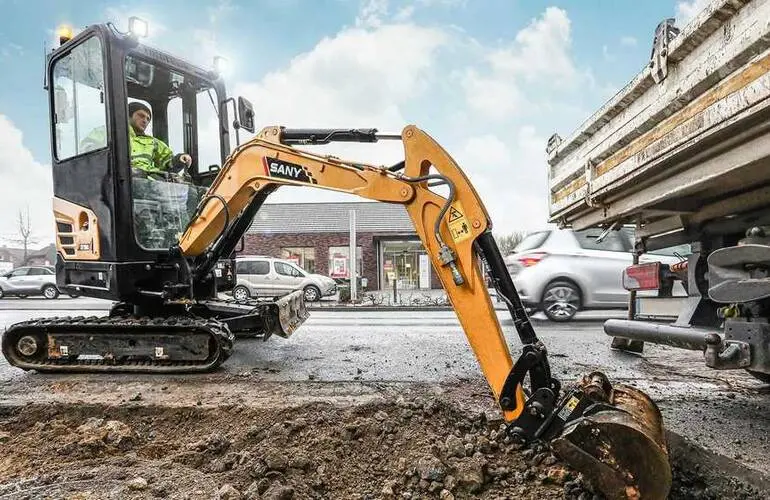
The first objection to using machinery indoors is always: "It won't fit."Most project managers assume that even a small excavator hire unit is too wide for a standard pedestrian door (which is usually 800mm to 900mm wide).
This is true for a 3-ton machine. It is not true for a Micro Excavator (0.8 to 1.0 ton).
The Retractable Undercarriage Solution:When looking for mini excavator hire for indoor work, you must specify a machine with retractable tracks.
Once inside the room, the tracks are expanded back out to 1100mm to provide a stable platform for swinging and breaking. This engineering allows you to bring compact excavator rental power into bathrooms, basements, and high-rise apartments (via service elevators).
The second major concern is weight."Can the slab support a machine?"
If you are working on a ground floor (slab-on-grade), weight is rarely an issue. However, if you are performing demolition on the 2nd floor of a villa or an office tower, you must consider the structural load.
The Math of Weight Distribution:A 1-ton micro excavator rental unit weighs approximately 1,000kg.While this sounds heavy, the weight is distributed over two long rubber tracks.
Technically, the machine spreads its load better than a group of men standing close together. However, you must always consult a structural engineer before bringing machinery onto a suspended slab.Pro Tip: If the engineer is concerned about "Point Loading," laying down 18mm plywood sheets creates a path that distributes the weight of the small excavator rental unit over a much larger area, usually satisfying safety requirements.
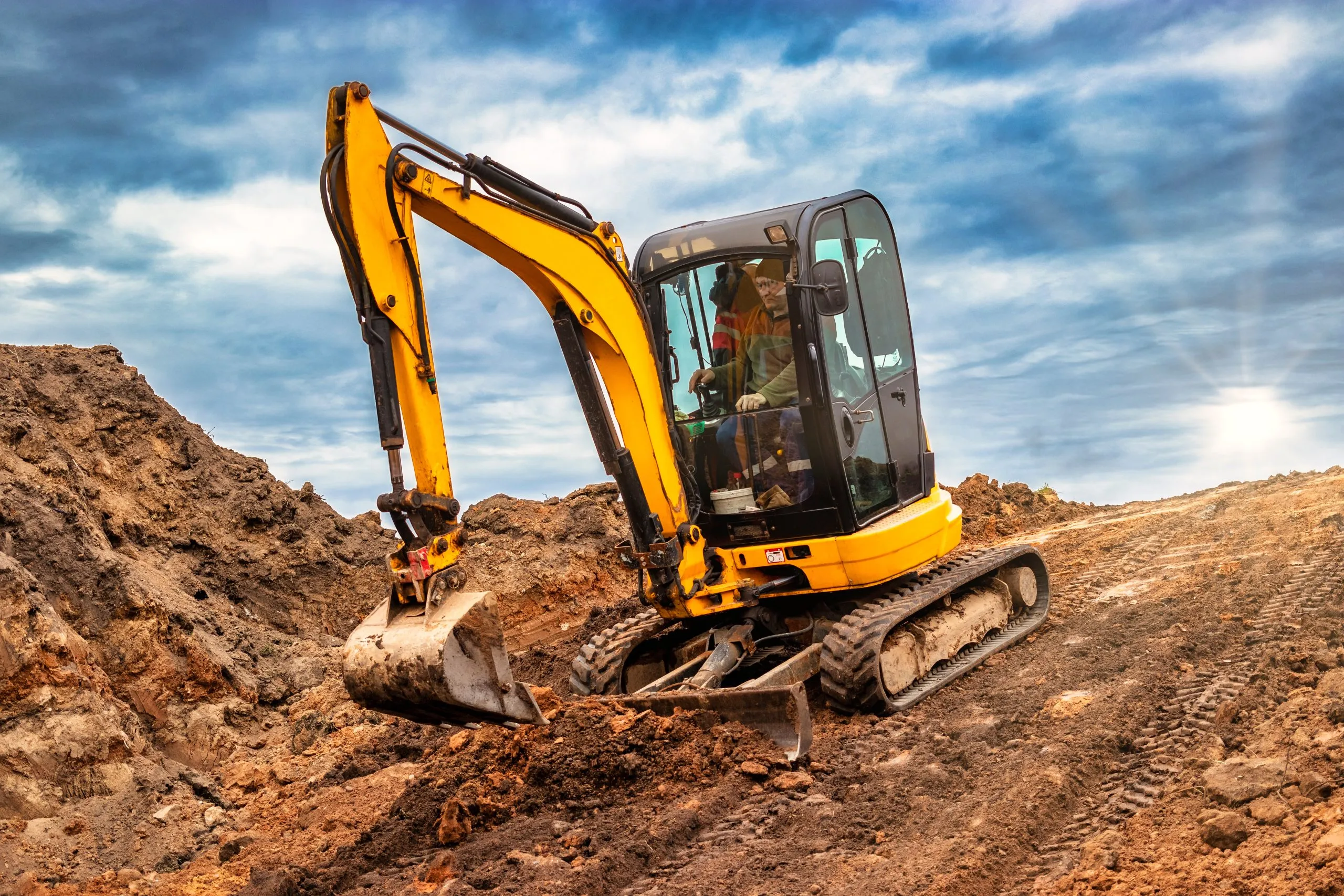
Running a diesel engine inside an enclosed building creates Carbon Monoxide (CO). This is a silent killer. Safety is the number one priority when organizing mini digger hire for indoors.
Option A: Ventilation Management (Diesel Machines)If you are using a standard diesel mini excavator rental, you must have active airflow.
Option B: Electric Mini ExcavatorsThe market is rapidly shifting toward electric compact excavator rental options.These machines run on Lithium-Ion batteries or a tethered cable (plugged into a 3-phase outlet).
While electric units may have a higher daily mini excavator rental cost, they save money on fuel and eliminate the need for expensive ventilation setups.
An excavator inside a building isn't there to dig dirt; it's there to break things.When you book your mini excavator hire, the bucket is often secondary. The primary tool is the Hydraulic Breaker (Jackhammer attachment).
Efficiency vs. Handheld Tools:A laborer with a handheld Hilti gun or jackhammer relies on their own muscle to hold the tool. They get tired. They vibrate. They stop frequently.A small excavator hire unit mounts the breaker on a hydraulic boom.
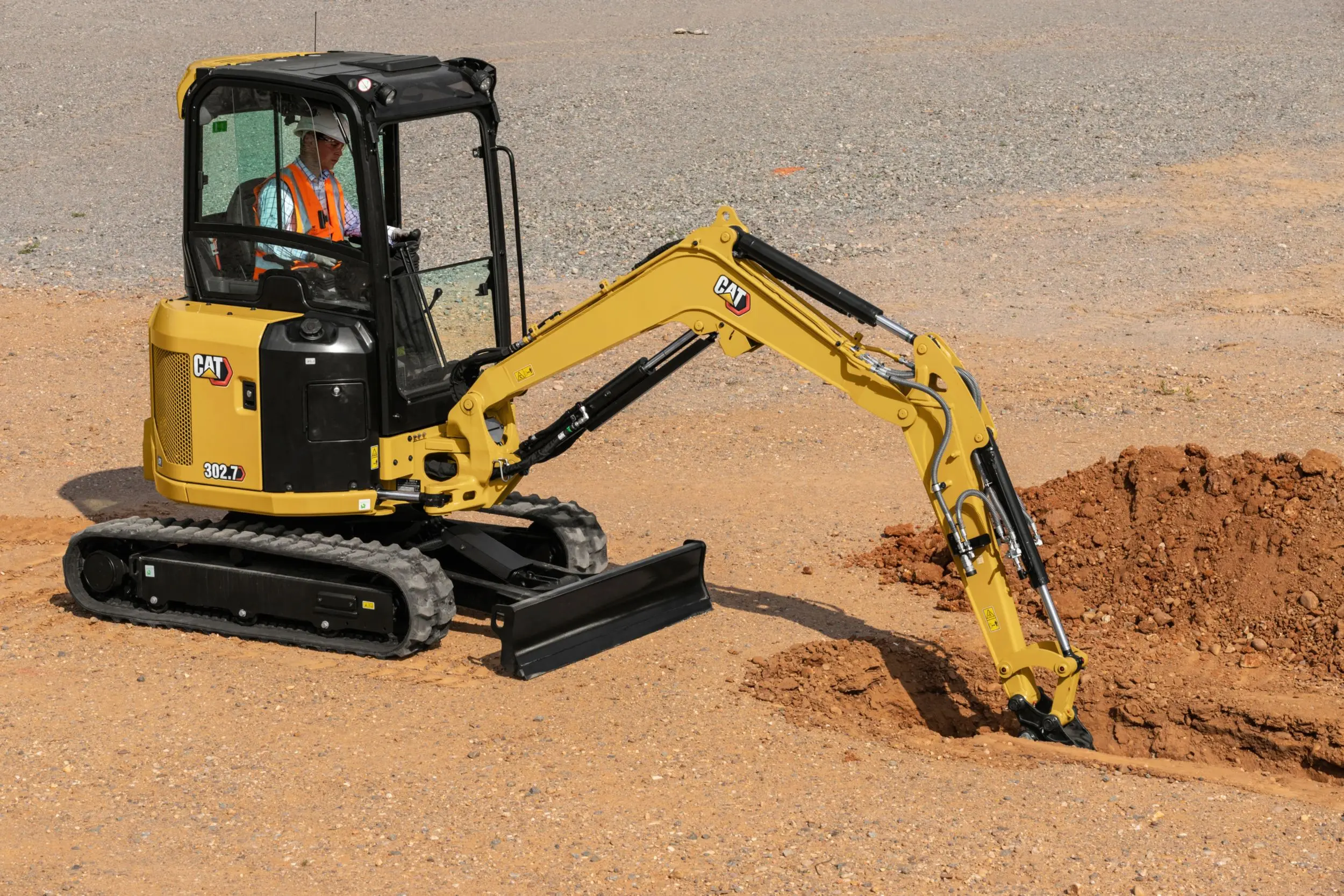
Demolition is 50% breaking and 50% cleaning up.Once the wall is down, you are left with a pile of rubble. Moving this rubble by wheelbarrow is the bottleneck of most jobs.
A micro excavator rental transforms into a loader.
Using the machine for cleanup prevents back injuries among your crew and keeps the site clear of tripping hazards.
Operating a compact excavator for rent in a confined space requires a different skillset than working in an open field.
Key Safety Rules:
Is it worth it? Let’s look at the mini excavator rental cost versus the alternative.
Scenario: Demolishing a 50 square meter tile floor and concrete screed.
In almost every scenario, the machine is significantly cheaper because of the sheer speed. You pay for the machine for one day, rather than paying a crew for a week. Plus, the job is finished sooner, allowing the renovation to proceed to the next stage faster.

The days of manual interior demolition are fading. It is too slow, too dangerous, and too expensive.Whether you are removing a single wall in a house or stripping a commercial office floor, indoor demolition using a micro excavator is the professional standard.
It fits through the door. It protects your back. And it saves your budget.
Do you have an interior renovation project coming up? Don't rely on sledgehammers.We specialize in Mini Excavator Rental for difficult access and indoor projects. From 1-ton micro machines with retractable tracks to fume-free electric options, we have the fleet to get the job done cleanly and safely.
Fit through the door, finish the floor.Visit our Mini Excavator Rental Page to check our specs and book your indoor demolition machine today
.png)