In the sprawling industrial zones of Dubai, from Jebel Ali (JAFZA) to Dubai Industrial City, massive machinery arrives daily. CNC machines, injection molders, power turbines, and massive boilers—equipment that weighs anywhere from 10 to 100 tons.
Getting these behemoths off the truck is usually the easy part; a standard lift crane rental can handle the offloading in the yard.
The real challenge begins when the machine needs to go inside.
Most factory floors have low ceilings, overhead pipes, and limited entry doors. You cannot drive a mobile crane inside. You cannot fly the load through the roof. So, how do you move a 50-ton transformer 100 meters across a factory floor and position it on a concrete plinth with millimeter precision?
You don't lift it up; you slide it across.
This specialized technique is known as Jacking and Skidding. It is the alternative to traditional cranes, and it is the backbone of industrial heavy lifting service. At BuildOra G, we specialize in these complex indoor maneuvers. In this guide, we will explore the engineering behind jacking and skidding and why it is the safest method for internal machinery relocation.
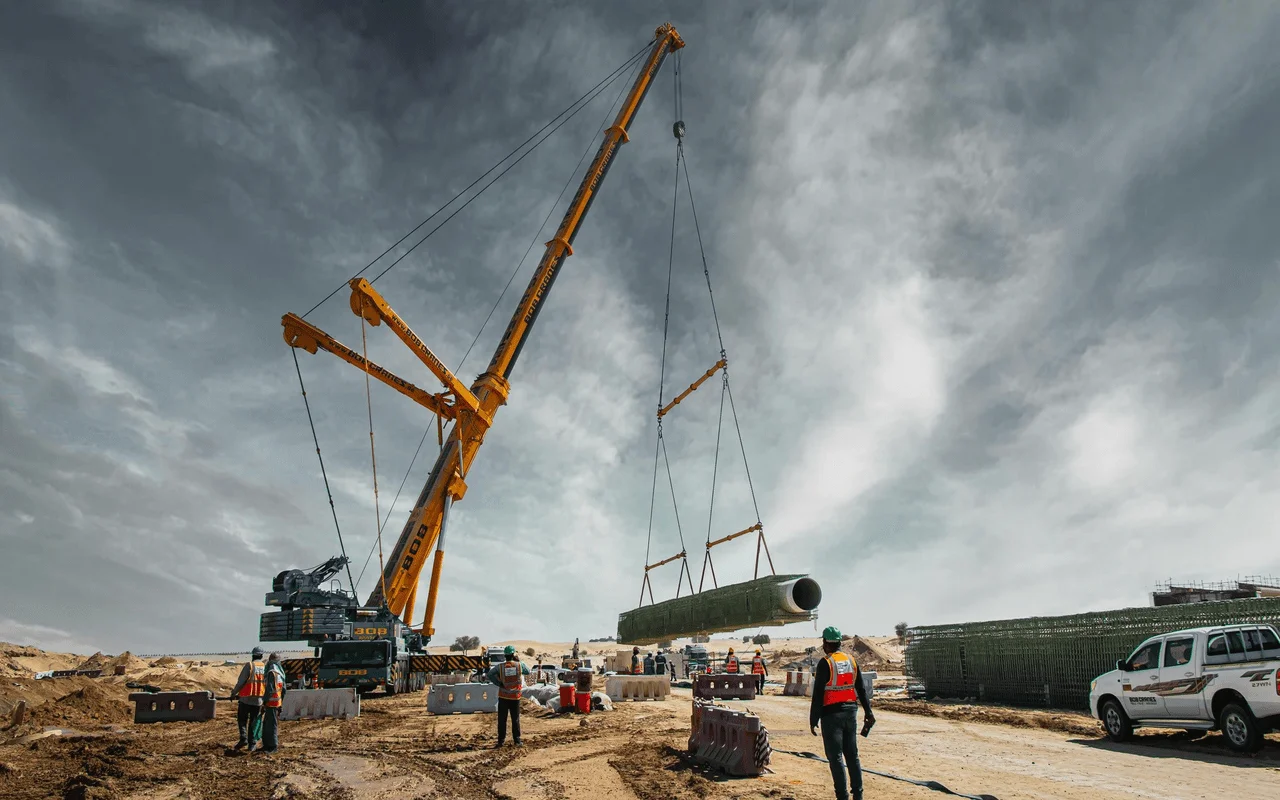
When most people search for a lift company near me, they envision a crane with a long boom. While cranes are kings of the outdoors, they are often useless inside a production facility.
Why Lift Crane Rental Fails Indoors:
This is where specialized lifting service providers switch tactics from "Lifting" to "Skidding."
It is a two-part process used to move heavy loads horizontally on a controlled track system.
Before you can move a machine, you must lift it just enough to put wheels or tracks under it. Since we can't use a crane, we use hydraulic toe jacks.
Once lifted, we slide a "Skidding System" underneath.
This allows us to move a 100-ton load with a system that is only 30cm high. It is the ultimate heavy lifting equipment rental solution for confined spaces.
Executing a jack and skid operation requires sophisticated gear. It is not something standard lift service companies offer unless they have a dedicated rigging division.
1. Hydraulic Gantries:Sometimes we need to lift the load high (e.g., to stack one machine on top of another) inside a building. Hydraulic Gantries are telescopic legs that stand on the floor and lift a beam. They act like a square archway over the machine.
2. Machine Skates (Rollers):For lighter loads (5 to 20 tons), we might use heavy-duty rotational skates instead of a track system. These are industrial "skateboards" with polyurethane or steel wheels.
3. The Power Pack:The heart of the system. A diesel or electric hydraulic pump that powers the jacks and pushers.
When considering lifting equipment hire, ensure the provider has maintained, certified hydraulic hoses and pumps. A burst hose under 700 bar pressure is a major safety hazard.
Moving heavy machinery is physics in action. Unlike a simple service lift that goes up and down, skidding involves complex forces.
Center of Gravity (CoG):This is the most critical calculation. If we jack up a machine that is top-heavy (like a stamping press), and the CoG shifts just a few degrees, the machine can topple.
Friction Coefficients:Pushing steel on steel requires force. Pushing steel on Teflon requires less force but introduces the risk of the load sliding too fast if the floor isn't level.
We often see factory owners trying to save money by using forklifts to drag machines. This is a recipe for disaster.
Professional lift service companies like BuildOra G use "Soft Handling" techniques. The jacking and skidding motion is fluid and vibration-free. We treat your industrial equipment like it is made of glass.

Where is this heavy lifting service used most in the UAE?
In many cases, we combine lift crane rental (to get the item off the truck) with Skidding (to get it into position). This hybrid approach offers the best of both worlds.
When looking for a lift company near me for industrial relocation, check for:
When the roof is low and the load is heavy, cranes are not the answer. Jacking and Skidding is the art of moving mountains inches at a time. It is safe, precise, and engineered for the tight confines of modern industry.
BuildOra G offers comprehensive heavy lifting equipment rental and turnkey relocation services. We don't just lift; we position, level, and install.
Need to move the immovable?Contact our industrial rigging team today for a site survey.
👉 Get Your Machinery Moving Quote
.png)