In the world of construction and facility management, the most important systems are often the ones buried underground. Septic tanks for residential villas and grease traps for busy restaurants are the unsung heroes of sanitation.
But installing them presents a unique engineering challenge.
Unlike planting a tree or trenching for a cable, installing a sanitation tank requires depth and lifting power.
This specific set of requirements eliminates manual labor (too slow and dangerous) and eliminates large 20-ton excavators (too big to fit). It also eliminates the smallest 1-ton micro diggers (not enough depth or power).
The solution lies in the specific capabilities of the 3-Ton Mini Excavator.
In this guide, we will explore why the 3-ton class is the industry standard for tank installation. We will compare mini digger hire options, explain why you shouldn't use a dingo digger hire for this task, and help you choose the right small excavator rental for your project.
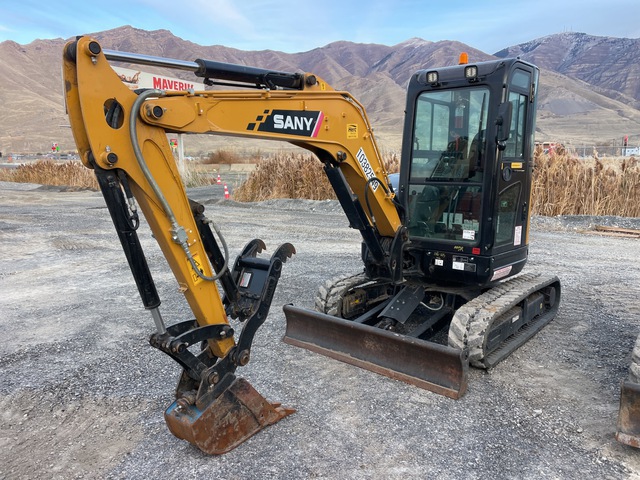
To understand why machine selection is critical, we must analyze the job profile. Installing a grease trap or septic tank is technically demanding.
The Depth Factor:Gravity is the key to drainage. For a sewage pipe to flow into a tank, the tank must sit low. A typical residential septic tank installation requires an excavation depth of 2.5 to 3.5 meters.
The Weight Factor:Once the hole is dug, the object must go in.
This combination of deep digging and heavy lifting disqualifies the smallest machines. You need the stability and hydraulic muscle of a 3-tonner.
When searching for digger hire, the 3-ton excavator is often called the "Goldilocks" machine—not too big, not too small.
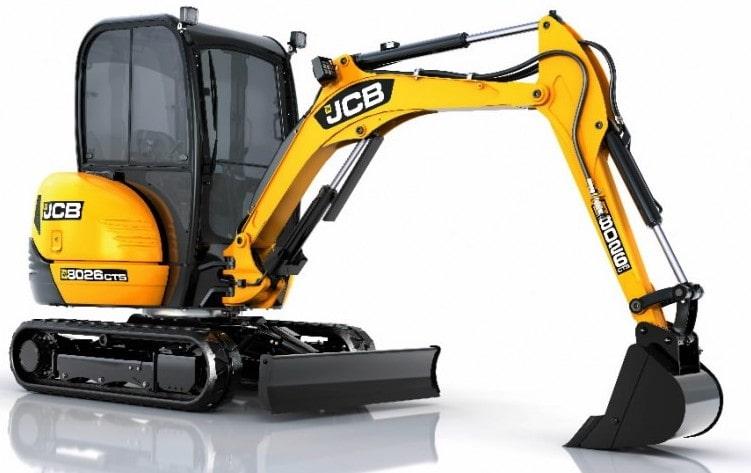
1. Access vs. Power:A 3-ton machine is usually about 1.5 meters wide. This allows it to fit through a double garden gate or a removed fence panel. Yet, unlike the micro excavator rental options, it has a wide enough footprint to remain stable when lifting heavy loads.
2. Dig Depth Capability:Most 3-ton small excavator hire models have a digging depth of approximately 2.8 to 3.2 meters. This is exactly the range needed for most septic tanks and grease traps. It allows the operator to square off the bottom of the pit without the machine tipping into it.
3. The "Crane" Function:Most 3-ton excavators come equipped with check valves on the boom and a lifting eye on the bucket linkage. This effectively turns the excavator into a small crane.Instead of paying for a mini digger rental and a mobile crane (which costs a fortune), the 3-ton excavator digs the hole and then lifts the tank into place immediately.
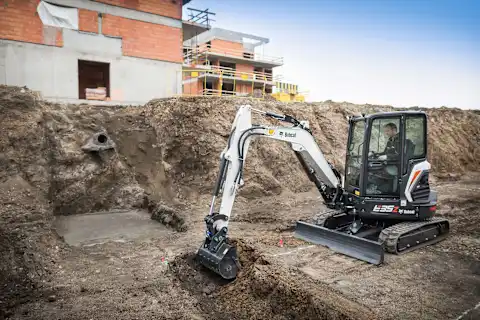
For restaurant owners, a blocked or failed grease trap is a business emergency. You cannot close the kitchen for three days to dig a hole by hand. Speed is money.
The Scenario:A café in a busy area needs to replace an underground grease trap located in the rear service alley. The alley is 2 meters wide.
The Solution:A 3-ton mini digger hire unit drives down the alley.
This entire process can often be completed in a single day (or overnight), minimizing downtime for the restaurant. Using manual labor would take a week.
In many villa communities or semi-rural areas, septic tanks are still the norm. Installing a new system is a major earthmoving task.
Handling "Gatch" and Rock:The deeper you dig, the harder the ground gets. At 2 meters deep, you often hit hard compacted sand ("Gatch") or limestone.A small excavator rental in the 3-ton class has significantly higher "breakout force" (the power of the bucket curl) compared to a smaller machine.
If you hire a machine that is too small and hit rock at 1.5 meters, the project stops. You then have to pay for a larger machine to come in anyway. Starting with the 3-tonner is the safe bet.
We often receive calls from customers asking for micro excavator rental because it is cheaper or because they think "it's just a hole."
It is crucial to understand the limitation.If you rent a 1-ton micro digger for a septic tank:
Micro digger hire is fantastic for cables and surface irrigation. For tanks, it is simply the wrong tool.
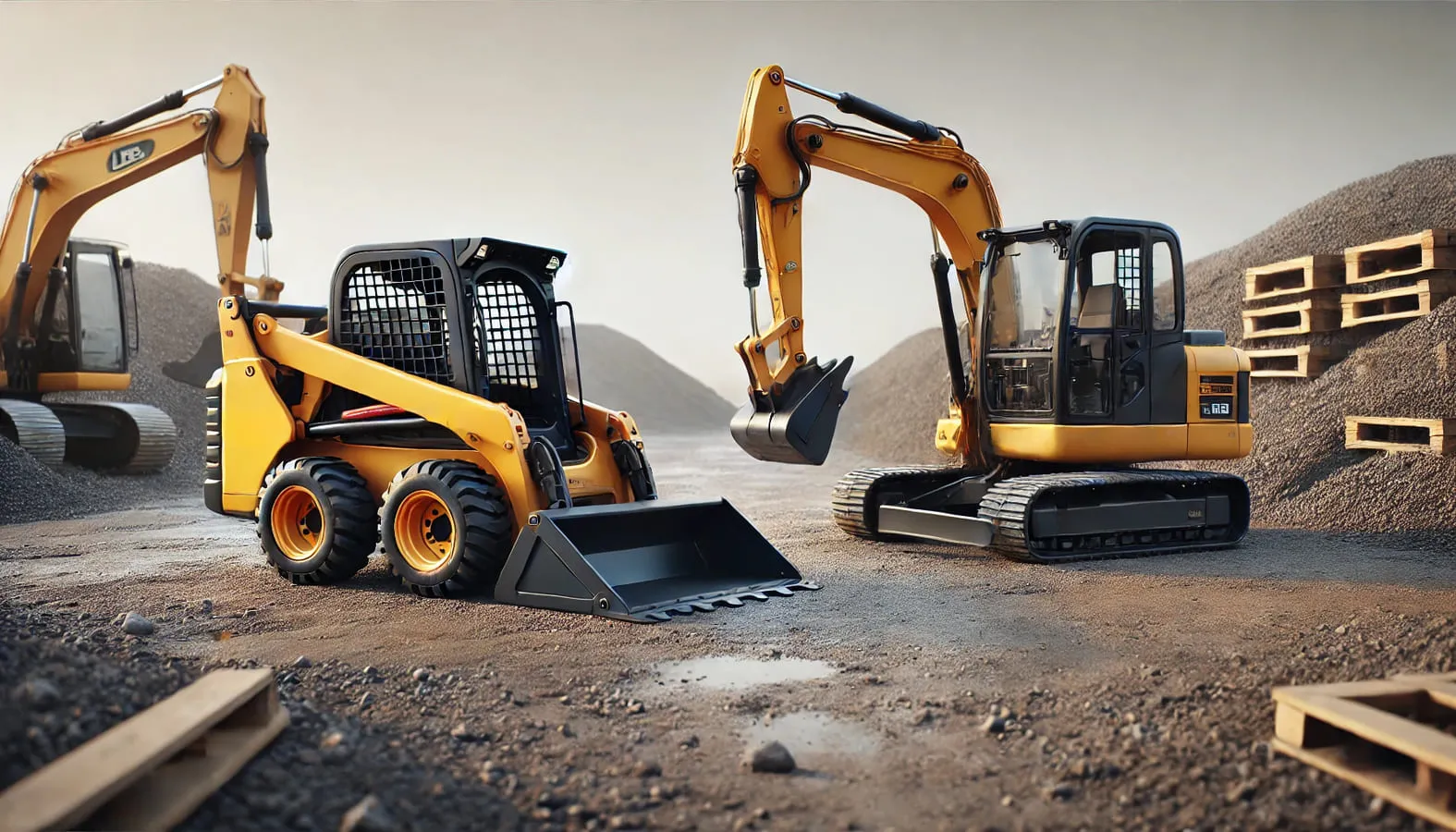
Another common confusion is the dingo digger hire.A Dingo (mini skid steer) is a loader. It has a bucket on the front for moving dirt piles.
For a septic tank installation, you need to extract soil from deep underground. A Dingo cannot do this. You might use a Dingo alongside the excavator to move the spoil pile away, but it cannot replace the excavator.
Deep excavations are dangerous. Soil weighs about 1.5 tons per cubic meter. If a trench wall collapses on a worker, it is fatal.
When using a mini excavator rental for deep pits:
Installing septic tanks and grease traps is not a DIY gardening project. It is heavy civil engineering on a small scale.It requires a machine that balances size with strength.
The 3-ton mini excavator is the undisputed king of this domain. It digs deep enough, lifts heavy enough, and still fits into your backyard.
Don't get stuck halfway down a hole with a machine that is too weak.We specialize in Mini Excavator Rental and can advise you on the exact machine size for your tank installation. From 1-ton micro diggers for cables to the powerful 3-tonners for deep excavation, we have the fleet.
Dig deep, lift heavy, finish fast.Visit our Mini Excavator Rental Page to check the specs of our 3-ton machines and book your hire today.
.png)