In the past, leveling a construction site was an art form. It relied on a skilled operator in a bulldozer or a grader, using his eyes and "seat-of-the-pants" feel to guess the level of the ground. Stake chasers would run around with measuring sticks, shouting signals to the driver.
It was slow. It was prone to human error. And by modern standards, it was inaccurate.
Today, the margin for error in commercial site preparation has vanished.
The solution to these demands is Laser Grading. This technology takes the human guesswork out of the equation, allowing machinery to adjust the blade height automatically hundreds of times per second.
In this guide, we will explore the science of laser grading. We will discuss why it is the new standard for site preparation services, how it applies to leveling sand for sports pitches, and why looking for a standard ground leveling machine rental might not be enough for your high-precision project.
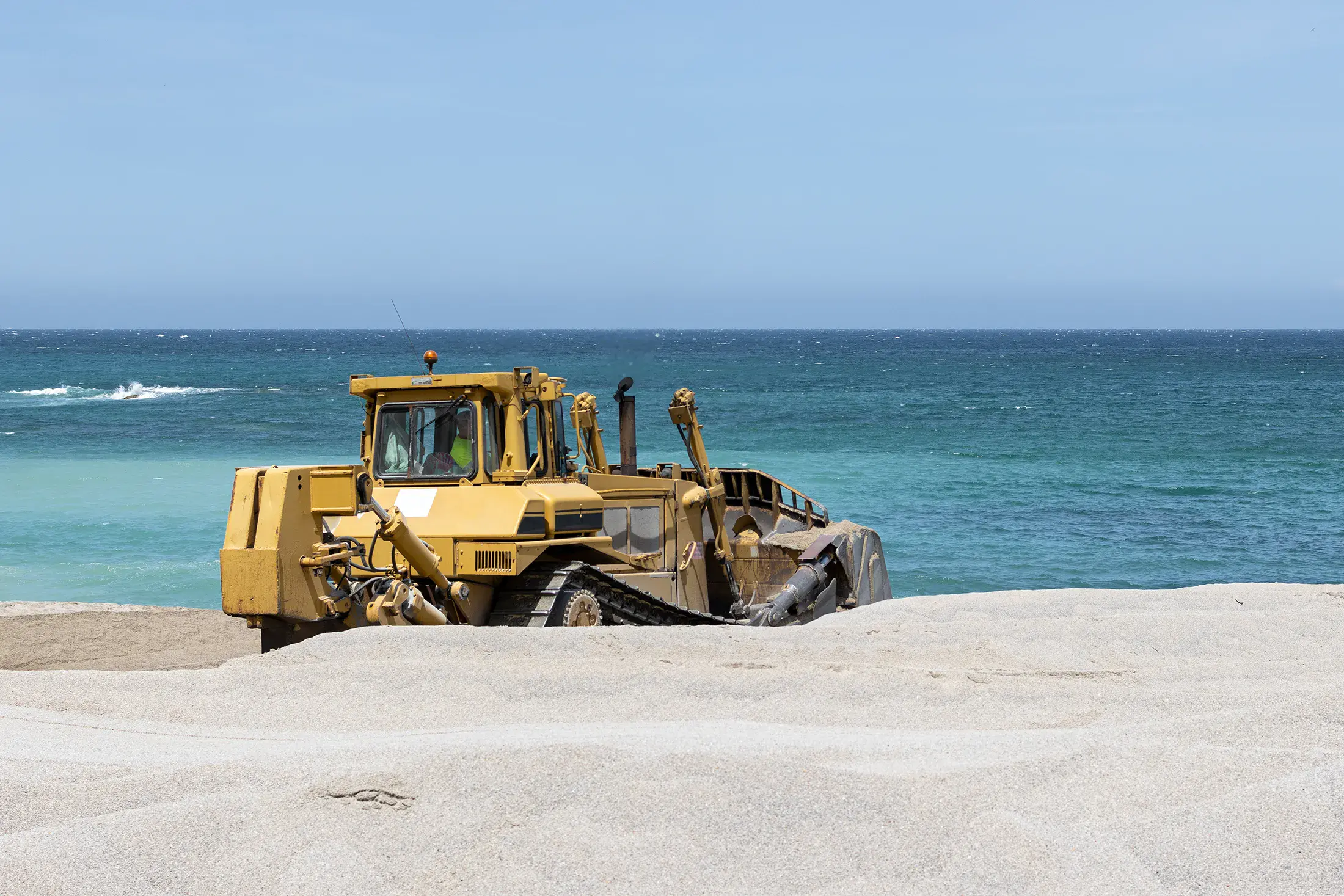
Laser grading is the marriage of hydraulic machinery and optical technology.The system consists of three main components:
The Result:The blade moves automatically. The operator simply steers the machine. The result is a surface that is accurate to within +/- 3 millimeters (1/8th of an inch).
For site preparation contractors, this technology is a game-changer. It allows us to grade thousands of square meters in a single day with absolute consistency.
The biggest beneficiary of laser grading is the industrial sector.When pouring a concrete slab for a warehouse or factory, the sub-base (the dirt underneath) determines the cost and quality of the slab.
The "Over-Pour" Problem:If you use a standard Bobcat for leveling without laser control, the ground will be wavy.Engineers specify a minimum slab thickness (e.g., 200mm). To guarantee this minimum over wavy ground, the concrete contractor has to pour extra concrete to fill the dips.
Commercial site preparation utilizing lasers creates a "table-top" flat sub-base. This allows the concrete team to pour exactly the calculated volume of material. On a 20,000 square meter warehouse, saving 15mm of "over-pour" translates to hundreds of cubic meters of concrete saved—paying for the grading service multiple times over.
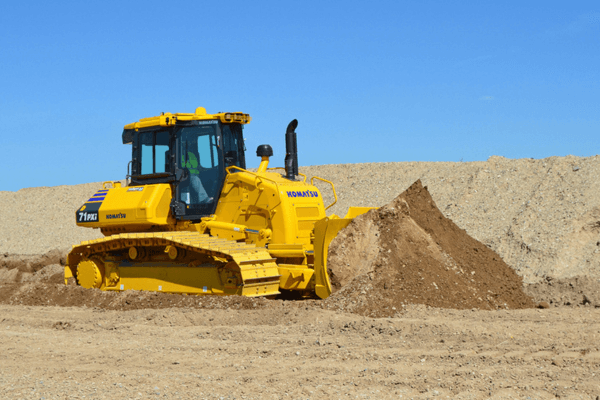
For football pitches, tennis courts, and golf tees, flatness is not just about aesthetics; it is about safety and physics.
Safety:An athlete running at full speed on a field prepared by basic ground leveling machine rental equipment risks injury. A hidden dip or a slight bump can cause a twisted ankle or a torn ligament. Laser grading ensures the surface is perfectly planar, removing trip hazards.
Drainage:Sports fields are rarely perfectly flat; they are usually crowned (turtle-backed) or sloped to shed water.Site preparation services use dual-slope lasers to create a precise gradient (e.g., 1.5%). This ensures that rainwater flows off the pitch evenly, preventing muddy puddles that ruin the grass and cancel games.
Leveling Sand:The final layer under the turf is usually specialized leveling sand. This layer must be consistent. If it is deep in some spots and shallow in others, the grass will grow unevenly. Laser graders spread this sand with surgical precision, providing the perfect root zone for high-performance turf.
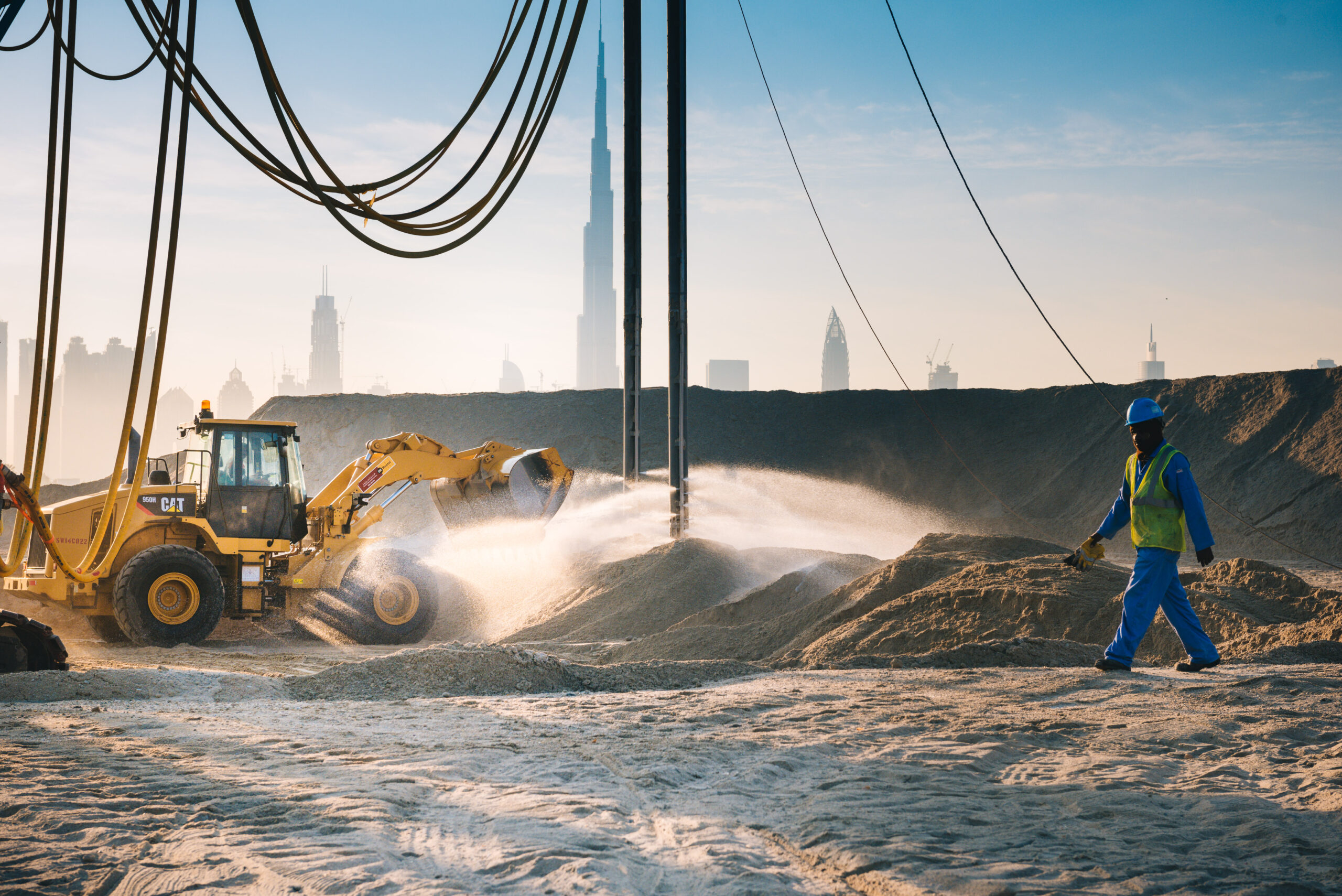
Laser grading is the final step in a larger process. You cannot laser grade a jungle.
Step 1: Site Clearing and PreparationFirst, heavy excavators perform the rough work. Site clearing and preparation involves removing trees, rocks, and debris. We strip the organic topsoil and rough-grade the site to within +/- 5cm of the target elevation.
Step 2: Setup and CalibrationThe site preparation contractors arrive. We set up the laser transmitter on a stable benchmark. We calibrate the receivers on the machinery.
Step 3: The Automated PassThe machine begins to drive. It might be a Bobcat for leveling with a box blade attachment or a larger motor grader. The machine makes multiple passes, cutting the high spots and filling the low spots automatically until the site is "On Grade."
Step 4: CompactionOnce leveled, the soil is "fluffy." We compact it with rollers, then perform a final laser pass to correct any settling.
When searching for ground leveling equipment rental, clients often ask: "Do I need a big grader or a small bobcat?"
The Laser-Equipped Skid Steer (Bobcat):
The Laser-Equipped Tractor / Motor Grader:
Top construction site preparation companies will have both options in their fleet to suit the specific scale of your project.
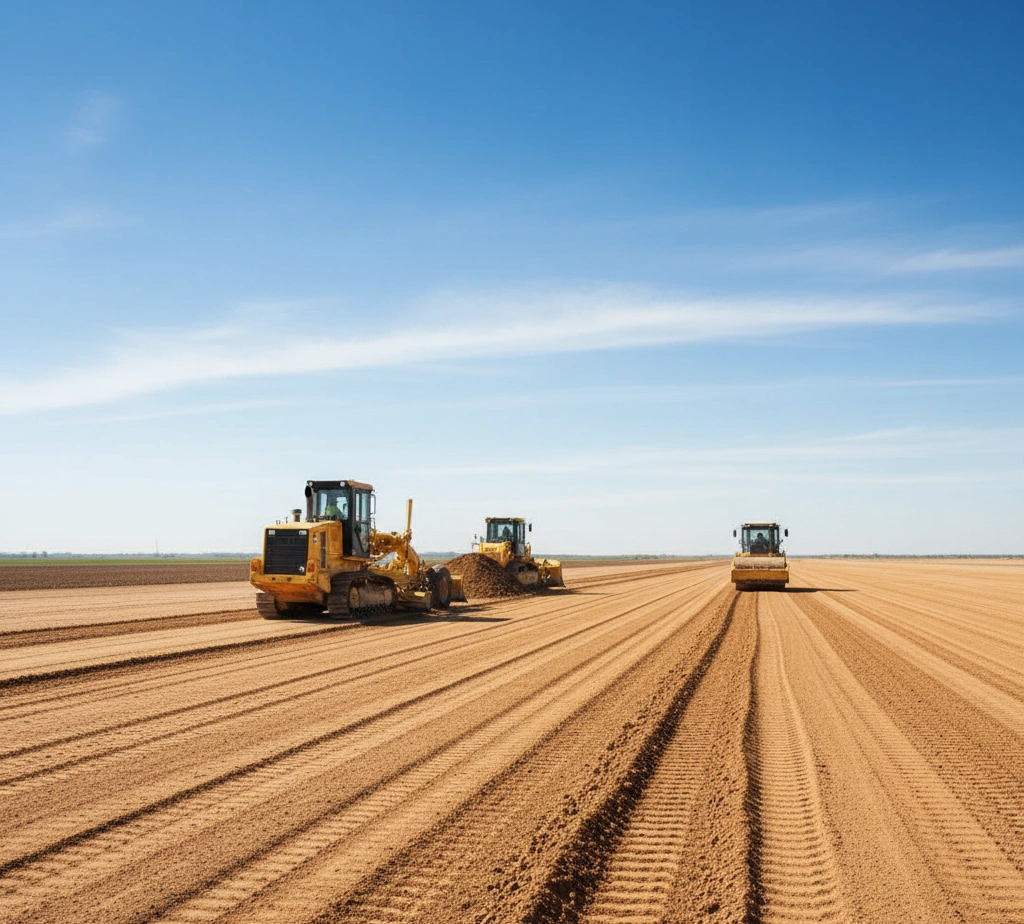
We often see search queries for rent machine to level ground or ground leveling machine rental.Homeowners or small builders think, "I'll just rent a machine and do it myself."
While you can rent the iron (the machine), it is very difficult to rent the technology and the skill.
Without the laser, you are back to "eyeballing" it. For a garden shed, that's fine. For a sports court or a building foundation, it is a recipe for failure.
In modern construction, precision is not a luxury; it is an economy.Investing in professional commercial site preparation using laser technology pays for itself by:
Whether you are spreading leveling sand for a soccer pitch or preparing the sub-base for a factory, the laser doesn't lie.
Do not leave your levels to chance.We are the premier site preparation contractors in the region. Our fleet is equipped with the latest Trimble and Topcon laser grading systems. From site clearing and preparation to the final millimeter-perfect finish, we deliver the precision your project demands.
Get it flat. Get it right.Visit our Ground Leveling Page to request a laser grading consultation today.
.png)