In the excitement of designing a dream villa or planning a commercial warehouse, landowners often obsess over the height of the roof. But there is a much more critical height measurement that dictates the success of your entire project: The Ground Level.
Every municipality, whether in Dubai, Abu Dhabi, or the wider region, has strict regulations concerning the elevation of a plot relative to the adjacent public road.
This is often referred to as the "Road Level" or "+0.00" point.
If you build your foundation too low, your property will flood during rains. If you build it too high without permission, you face fines, angry neighbors, and—in worst-case scenarios—a refusal of the Completion Certificate, meaning you cannot legally occupy the building.
Achieving this precise elevation requires more than just pushing dirt around. It requires professional site preparation services that understand the legal geometry of construction.
In this guide, we will navigate the complex world of plot levels. We will explain why construction site preparation companies are your best defense against non-compliance, and why attempting to hit these targets with a DIY ground leveling machine rental is a risky gamble.
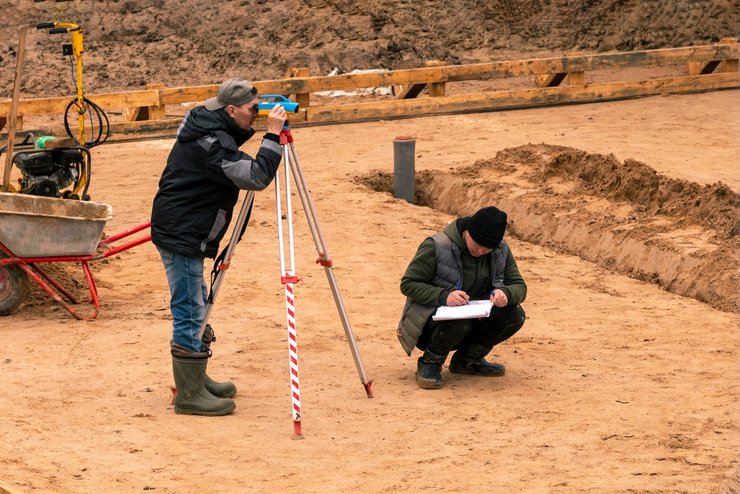
In most urban planning regulations, the top of the existing asphalt road (or the interlock sidewalk) is the fixed benchmark for the entire neighborhood.
Typically, municipalities enforce a rule that the "Finished Floor Level" (FFL) of a residential ground floor must be a specific height above the road—often between +45cm and +90cm. This implies that the ground level of your yard (the dirt) must also be set at a specific height relative to the road, usually +15cm to +30cm.
Why does this rule exist?
Professional site preparation contractors do not just guess these heights. We work from the "Affection Plan" or "Site Plan" provided by the municipality, ensuring every scoop of dirt brings you closer to compliance.
Achieving the correct level is a multi-step engineering process. It is not as simple as dumping truckloads of sand.
Before we can set the level, we must strip the site. Site clearing and preparation involves removing organic waste, trash, and loose topsoil that cannot be used for structural fill. If you measure your levels on top of a pile of trash, your measurements are useless because the trash will compress.
We establish a "Benchmark" (TBM) on a fixed object, like a manhole rim or a curbstone. This is our "Zero."
This is the core of building site preparation.
This process requires constant checking. A difference of 5cm might seem small, but over a 1,000 sqm plot, that is a massive volume of material and a potential code violation.
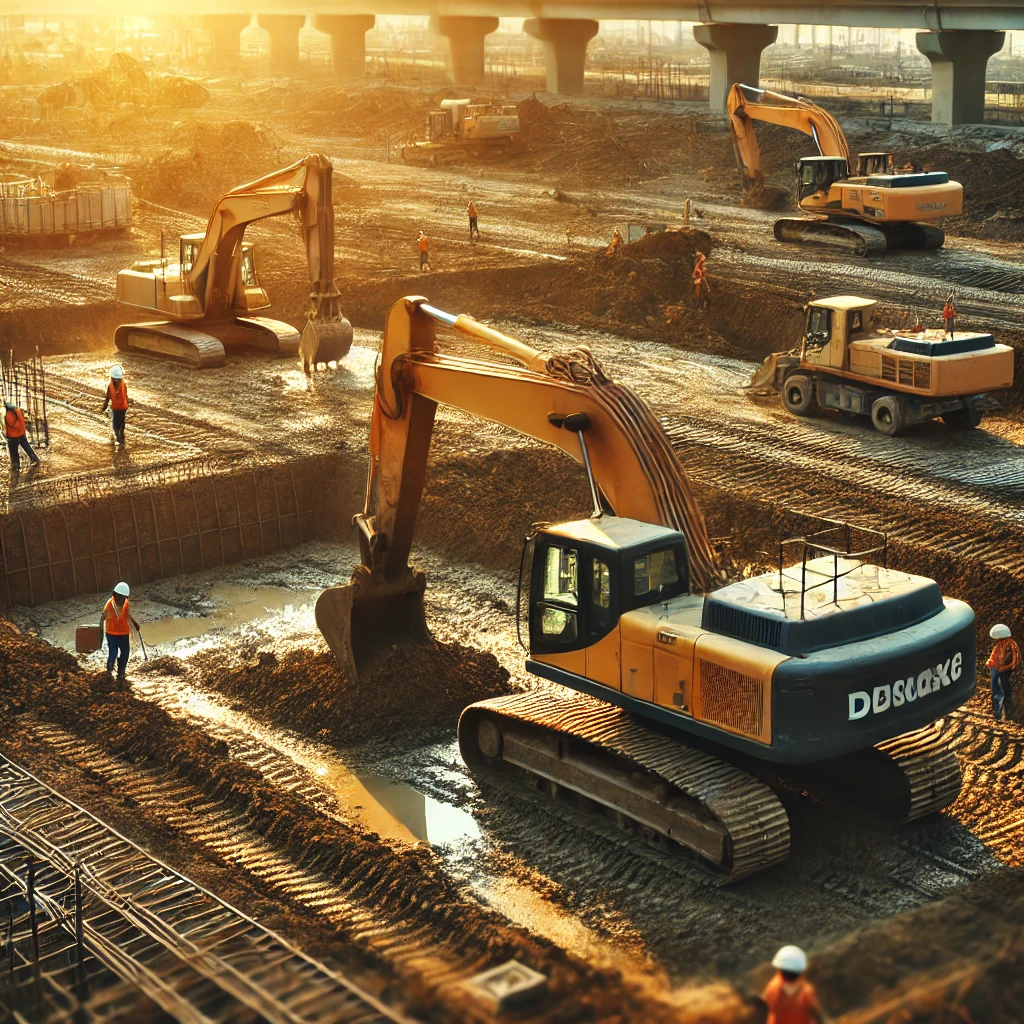
The most critical moment for levels is right before the foundation is poured. This is concrete site preparation.
If the ground level is incorrect, the contractor pouring the concrete has two bad choices:
When the municipal inspector comes to check the steel reinforcement (mesh inspection), they will check the levels. If the pad is too low relative to the road, they will fail the inspection. You will be forced to rip out the steel, bring in more dirt, compact it, and start over.
Hiring expert construction site preparation companies ensures that the sub-base is exactly at the engineered elevation (+/- 10mm) before the first concrete truck arrives.
For warehouses and factories, the connection to the road is even more critical.In commercial site preparation, we have to consider:
A mistake in grading here renders the facility unusable. We use Bobcat for leveling with laser attachments to ensure these critical gradients meet industrial standards.
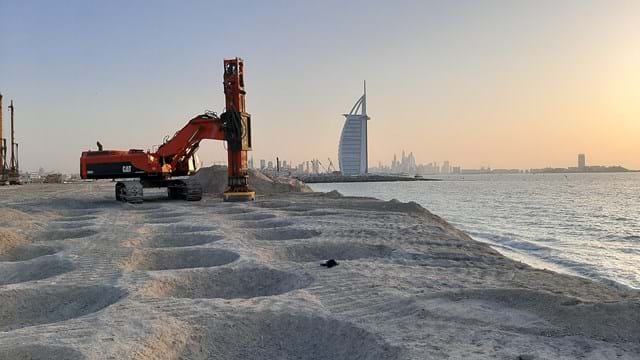
We often hear from clients who attempted to save money by searching for ground leveling machine rental or rent machine to level ground.They rent a skid steer for the weekend, intending to "fix the levels" themselves.
Why this usually fails inspections:
When you search for ground leveling equipment rental or contractors, you need to filter for compliance knowledge.
Any operator can dig a hole. But can they read a site plan? Do they understand what "Plus 60 from Curb" means?Top-tier construction site preparation companies act as consultants.
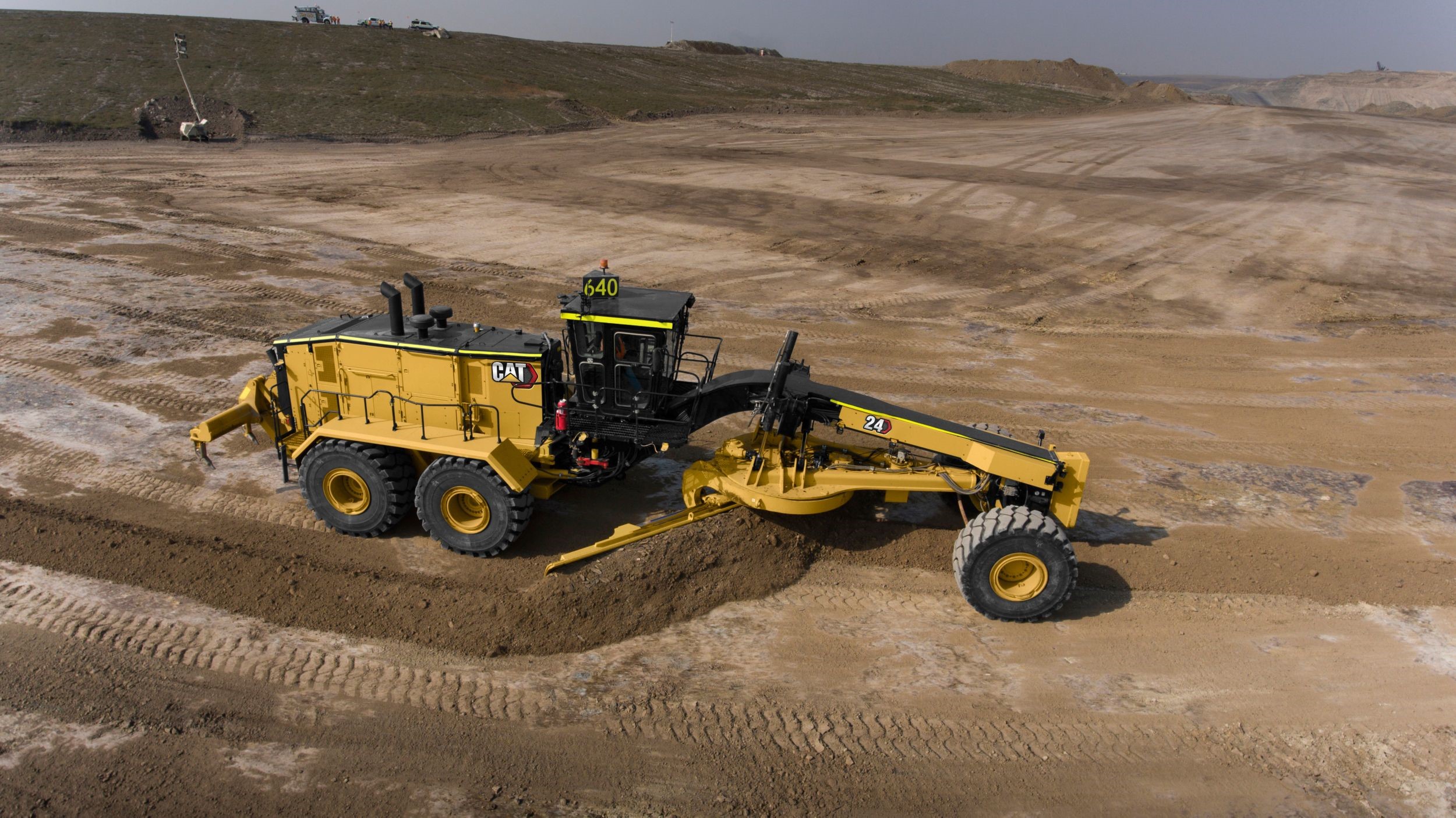
The road level is not a suggestion; it is a law. It dictates the safety, drainage, and legality of your project.Trying to navigate these regulations with a rental machine and a "best guess" is a recipe for expensive rework.
Don't let a height violation stop your project.
Are you starting a new build? Do you need to raise your plot to meet the road?We are the site preparation services experts. We don't just move earth; we engineer your site to meet strict municipality standards. Whether you need commercial site preparation or precise grading for a villa, we ensure you pass the inspection.
Build high, build safe, build legal.Visit our Ground Leveling Page to book a survey and get your site levels checked today.
.png)