In the excitement of acquiring a new property or planning a massive renovation, the focus is usually on the future: the new design, the modern layout, and the construction. However, standing between you and that future is an existing structure that needs to go.
Whether it is a complete villa demolition to clear a plot or a partial block wall demolition to expand a commercial space, the physical act of breaking concrete is actually the second phase of the project. The first phase is bureaucratic.
In regulated markets like Dubai and the wider UAE, you cannot simply swing a wrecking ball because you own the land. The demolition process is governed by a strict framework of permits, No Objection Certificates (NOCs), and municipal approvals. Failing to navigate this maze correctly can lead to massive fines, indefinite project delays, and even legal action.
For many homeowners and developers, this is the most stressful part of the build. In this guide, we will demystify the permitting process. We will explain why you need specific concrete removal companies to handle the paperwork, what goes into a demolition excavation plan, and how to ensure your project stays legal from day one.

To the average property owner, the paperwork might seem excessive. Why do you need government approval to knock down your own wall?
The regulations exist to protect three things:
Because the risks are high, the authorities require that a licensed, insured, and registered contractor takes responsibility for the site demolition. You cannot apply for these permits as an individual; you must work through a professional.
Before any application is submitted to the Municipality, a thorough site investigation must occur.Your contractor will assess the structural integrity of the building and the surrounding area.
If the project involves retaining wall removal—specifically on boundaries shared with neighbors or public roads—this phase is critical.
This is the most time-consuming phase. Before the Municipality gives the final "Green Light" (The Demolition Permit), they require proof that no other government entity objects to the work.
Your contractor must obtain NOCs from various service providers. This list often includes:
For a full villa demolition, you might need up to 10 different NOCs. Experienced concrete removal companies have PROs (Public Relations Officers) dedicated solely to chasing these documents, which significantly speeds up the timeline.

If your property is located within a master-planned community (such as those managed by Nakheel, Emaar, or Dubai Properties), the Municipality permit is not enough. You also need the Developer’s Approval.
Developers are protective of their community's aesthetics and infrastructure.
A common misconception is that permits are only for tearing down whole buildings. This is false.Even internal or partial external modifications require approvals.
If you are renovating an office or a villa and want to remove internal masonry, this is classified as block wall demolition.
As mentioned earlier, retaining wall removal is high-risk.
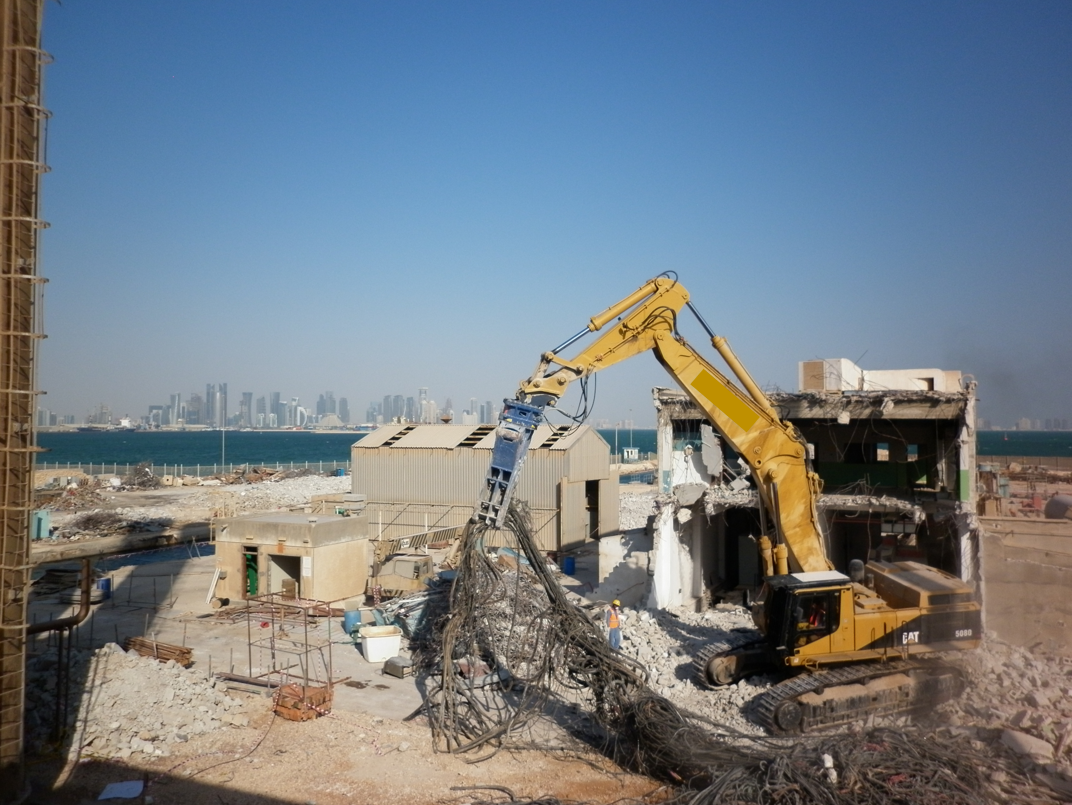
Once all NOCs are gathered, the final application goes to the Municipality.However, they don't just want the NOCs; they want the Method Statement.
This is a technical document prepared by your contractor detailing exactly how the job will be done.It covers:
For complex projects involving demolition excavation (digging up foundations), the method statement must prove that deep digging won't destabilize neighboring properties.
The paperwork doesn't end when the building is gone.Once the site demolition is complete and the ground is leveled, you need to close the permit.
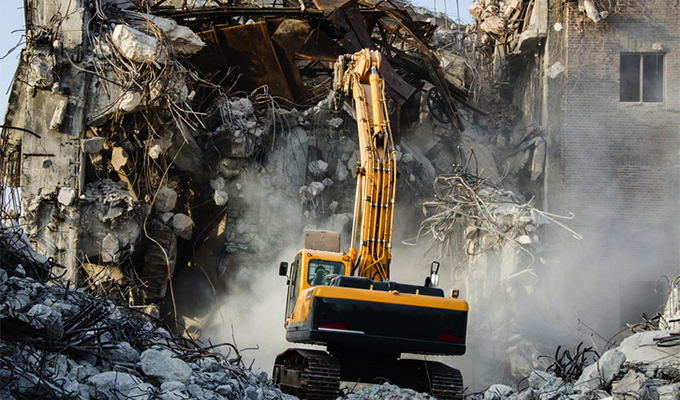
Many general contractors claim they can handle demolition. However, generalists often struggle with the intricacies of demolition excavation permits and the specific NOC requirements for hazardous materials.
Concrete removal companies that specialize in demolition deal with these authorities daily. They know exactly which inspector to call, which form to fill, and how to draft a Method Statement that gets approved on the first try.
Hiring a specialist reduces the risk of:
Navigating the world of permits, NOCs, and approvals is a full-time job. It is the invisible foundation upon which a successful project is built. Whether you are planning a massive villa demolition or a precise retaining wall removal, the paperwork is the key to a stress-free experience.
Don't let bureaucracy delay your dream project.
We are more than just machine operators; we are regulatory experts. As one of the premier concrete removal companies, we manage the entire lifecycle of the project—from the first NOC application to the final site clearance.
Are you ready to start your project legally and safely? Visit our Demolition Services Page to learn more about our turnkey solutions for site demolition and permitting.
.png)