Dubai is a city built on ambition. From the man-made archipelagos of the Palm to the soaring heights of Downtown, every iconic structure shares a common origin story: it started with a hole in the ground.
However, in the UAE, excavation is not as simple as bringing machinery to a site and starting the engine. It is a strictly regulated engineering activity that operates within a complex framework of legal approvals, safety codes, and utility clearances.
Attempting to bypass these regulations or hiring unlicensed operators can lead to disastrous consequences—from hefty municipal fines to the inadvertent severing of high-voltage power lines.
In this comprehensive guide, we will walk you through the labyrinth of Dubai’s excavation permit process. We will explain the critical role of NOCs, the specific requirements for deep excavation, and why partnering with professional excavation contractors like BuildOra G is your best strategy for a smooth, delay-free project start.
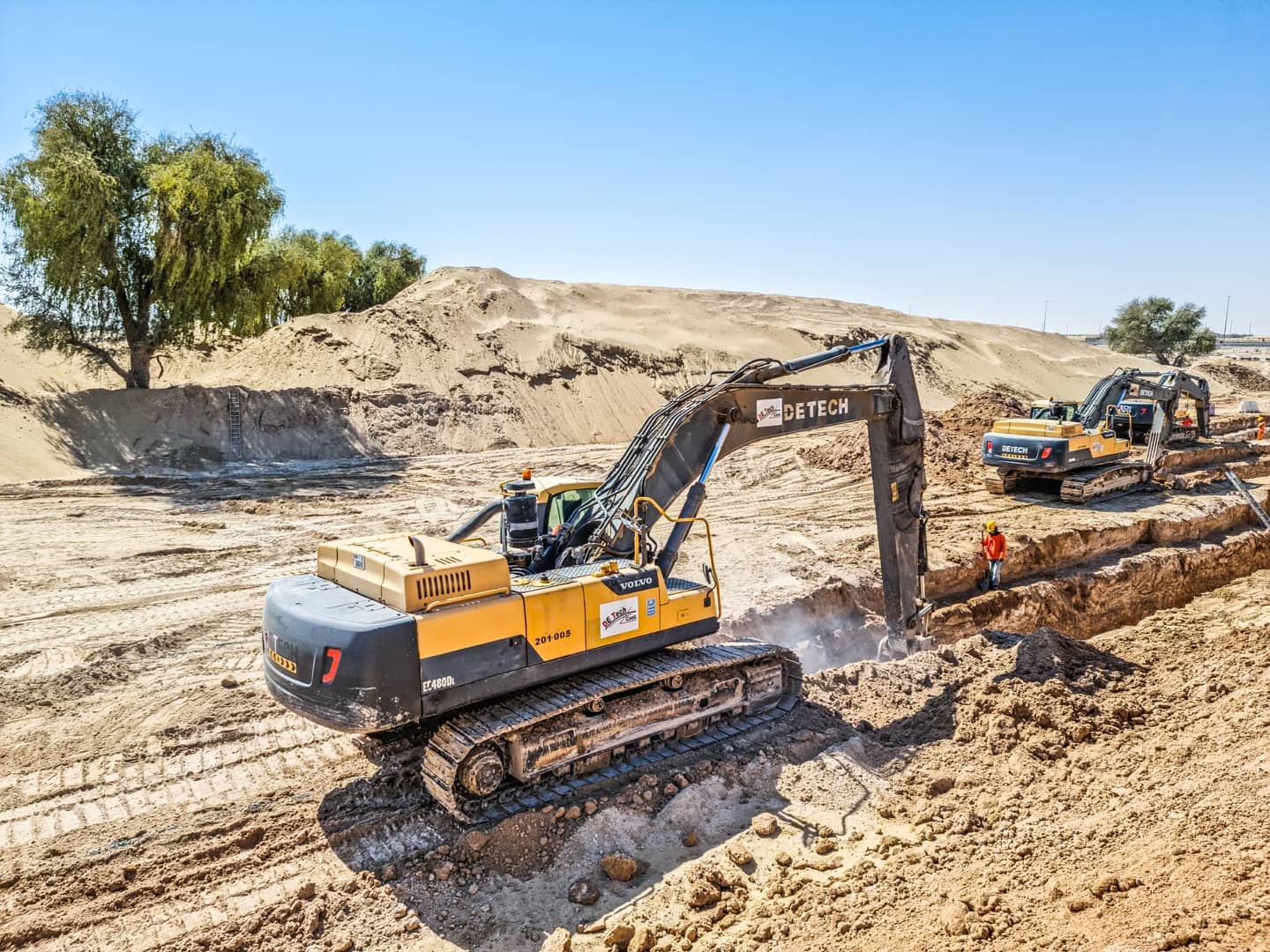
The first step in obtaining an excavation permit is identifying which authority governs your specific plot of land. Dubai is divided into various administrative zones, and the rules for excavating services can differ slightly depending on where you are building.
Before you apply, you must know your zone:
Why this matters:A license to operate in a Dubai Municipality zone does not automatically grant permission to work in a Trakhees zone. When vetting excavation companies, you must ensure they hold the specific "Trade License Activity" and safety accreditations required for your specific jurisdiction.
Before the municipality will look at your excavation application, you must prove that your work will not destroy the city's underground infrastructure.
Dubai’s ground is a web of essential services. To ensure safe excavation, you are required to obtain No Objection Certificates (NOCs) from all relevant utility providers and government bodies. This is often the most time-consuming part of the process.
Key NOCs Required:
Professional excavation contractors handle this "e-NOC" process on your behalf. We know how to read the complex GIS (Geographic Information System) maps provided by these authorities to plan the dig safely.

In Dubai, there is a critical threshold for safety regulations: 1.2 meters.
If your excavation depth exceeds 1.2 meters—which is standard for any project involving a basement, swimming pool, or underground water tank—you are entering the realm of deep excavation.
At this depth, the sandy soil of the UAE becomes unstable. The risk of the excavation walls collapsing (caving in) increases significantly. Therefore, the authorities will not issue an excavation permit without an approved design for excavation shoring.
Shoring is a temporary structural system that supports the walls of the excavation. Common methods include:
The Approval Process:To get a permit for deep excavation, your contractor must submit:
Top-tier excavation companies work in tandem with structural engineers to design cost-effective shoring solutions that satisfy municipality safety codes.
Dubai Municipality enforces the "Code of Construction Safety Practice." This is not a suggestion; it is the law.To obtain your permit, your excavating services provider must demonstrate a robust HSE (Health, Safety, and Environment) plan.
Key Requirements for a Permit:
If a municipality inspector visits your site and finds a violation—such as a lack of hard hats or an unsecured trench edge—they can issue an immediate Stop Work Order. This highlights the importance of hiring reputable excavation contractors who prioritize safety over shortcuts.

Once the NOCs are collected and the designs are ready, the formal application begins. Here is what the timeline looks like when working with a professional partner:
Step 1: Contractor AppointmentIn the Dubai Building Permit System, the landowner cannot apply for the permit personally. You must officially appoint a licensed contractor in the system.
Step 2: Document UploadWe upload the site plan (Affection Plan), NOCs, shoring designs, and the soil report to the relevant portal (e.g., Dubai BPS).
Step 3: Technical ReviewGovernment engineers review the submission to ensure it meets the Dubai Building Code. If they find an error in the shoring calculation or a missing NOC, they will reject it with comments. (Experienced contractors minimize this risk by checking everything beforehand).
Step 4: Fees & IssuanceOnce approved, the relevant fees are paid (typically based on the built-up area or excavation volume). The Excavation Permit is then issued digitally.
Step 5: Site MobilizationOnly after the permit is physically printed and displayed on the site hoarding can the machinery enter the site.
We often see property owners searching for "cheap excavation companies near me." While budget is important, excavation is the highest-risk phase of construction.
Hiring an unlicensed or inexperienced operator often leads to:
The BuildOra G Advantage:As fully licensed excavation contractors, we handle the liability. We own our fleet, which ensures reliability, and we have dedicated engineers who understand the permit process inside out. We ensure your project starts legally and stays compliant.

Excavation is the foundation of your project's timeline. A delay in obtaining the permit means a delay in pouring the concrete, which delays the entire handover.
Do not let bureaucracy become a bottleneck. By understanding the requirements for deep excavation and partnering with a contractor who navigates the NOC process daily, you ensure your project breaks ground on schedule.
Are you planning a project in Dubai? Do you need a team that handles everything from the paperwork to the final cart-away of soil?BuildOra G provides end-to-end excavating services. We secure the permits, design the shoring, and execute the work with precision and safety.
Don't just dig a hole. Build a foundation for success.Visit our Excavation Service Page to book a site survey and discuss your permit requirements today.
.png)