When you imagine your future backyard, you picture the crystal-clear water, the tiled coping, and perhaps a sleek barbecue area. What you probably don't picture is the mountain of sand that used to occupy that space.
One of the biggest shocks for homeowners during swimming pool digging is the sheer volume of earth that comes out of the ground. A modest pool can generate enough sand to fill a small house. This leads to an inevitable logistical question: Where does it all go?
As a professional pool excavation company, we don't just dig holes; we are logistics experts. In this guide, we will pull back the curtain on the "muck away" process, explain why soil volume expands, and how this necessary service impacts your overall pool excavation cost.
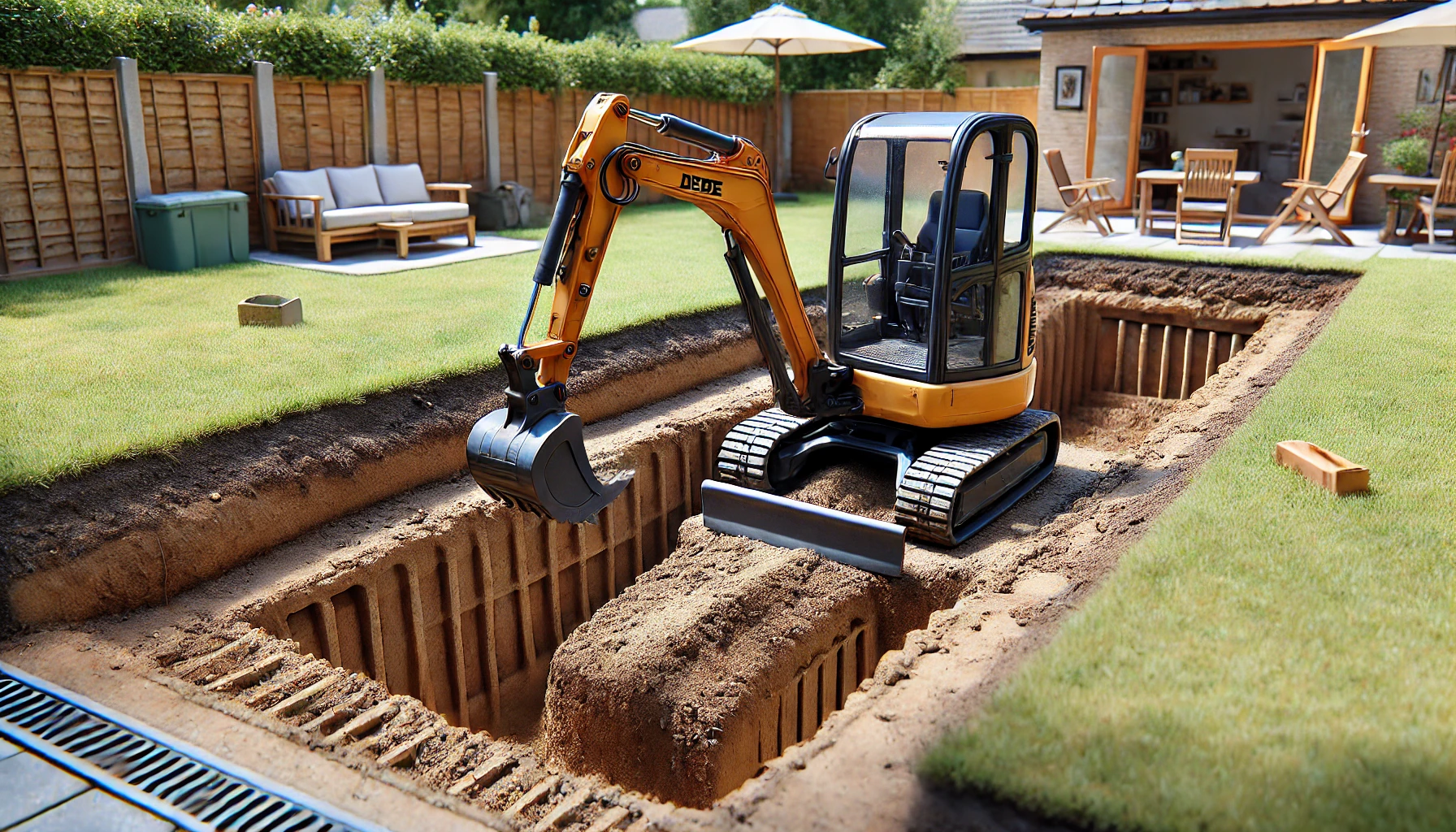
To understand where the dirt goes, you first need to understand how much dirt there actually is. Many clients calculate the cubic meters of their pool (Length x Width x Depth) and assume that is the amount of soil to be removed.
Unfortunately, excavation math doesn't work that way.
When soil is packed tightly in the ground (virgin ground), it is dense. As soon as we start digging a pool, we disturb that structure. The soil aerates and expands. This is known in the industry as the "bulking factor" or "swell factor."In Dubai, the sandy soil typically expands by about 30%.
This phantom volume is why you need a reliable pool excavation company that calculates logistics accurately, rather than one that surprises you with extra truck fees halfway through the job.
Before the sand can leave your property, it has to get from the hole to the street. In Dubai’s villa communities, this is often the hardest part of excavation for swimming pool projects.
In new developments or open plots where there are no boundary walls yet, the dump truck can reverse right up to the hole. The excavator scoops the sand and drops it directly into the truck bed. This is the fastest and cheapest method, keeping the cost of pool excavation down.
For established homes, the truck stays on the street. We use skid-steer loaders (Bobcats) or motorized power buggies to ferry the sand from the backyard, through the side alley, to the waiting truck. This requires protecting your driveway with plywood to prevent tire marks.
In extremely tight spaces where even a Bobcat can't fit, we use a series of conveyor belts to move the spoil over walls or through narrow corridors.
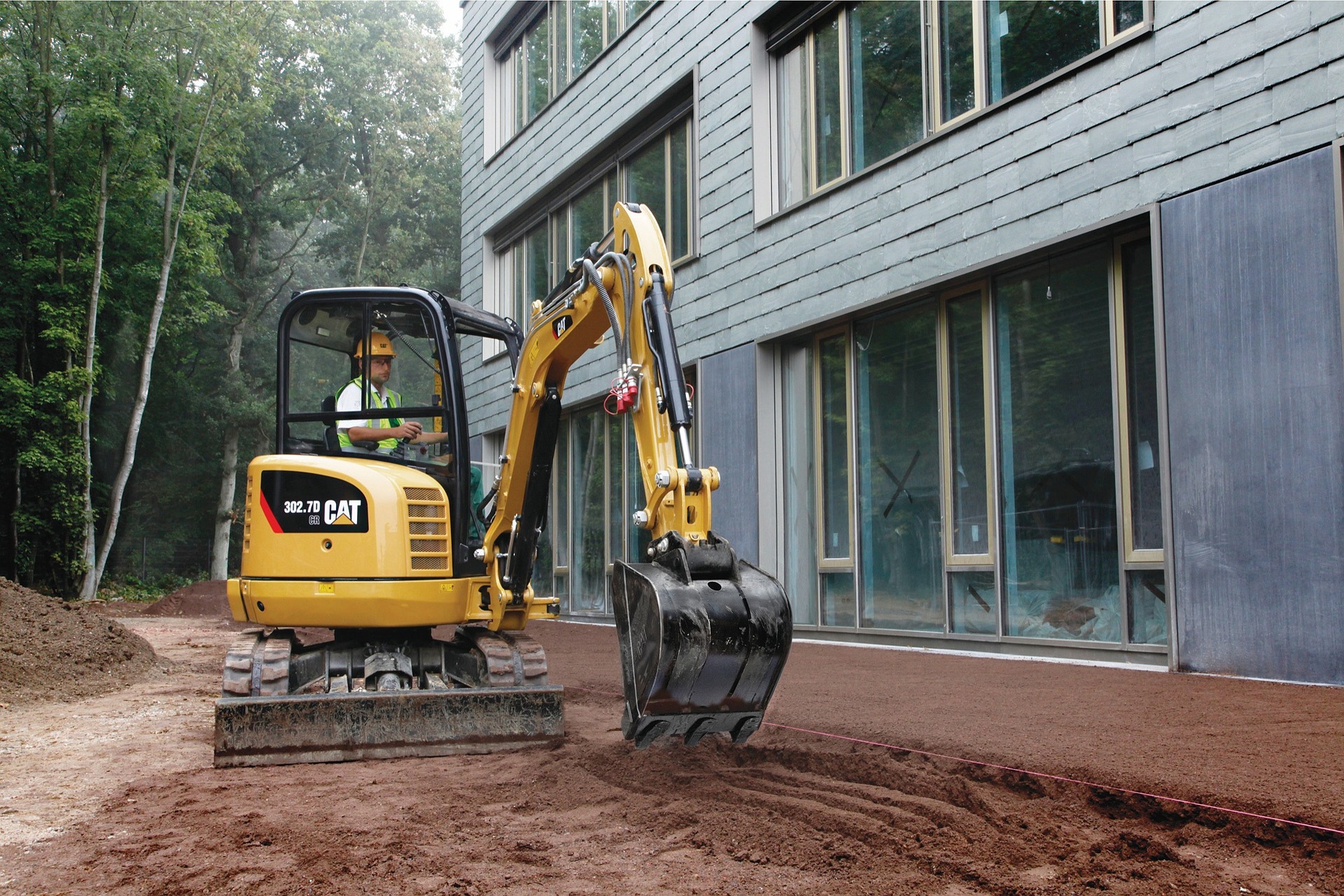
So, once the truck is loaded, where does it go? It doesn't just disappear into the desert. Dubai has strict environmental regulations regarding construction waste.
All excavated material must be transported to designated Dubai Municipality landfill sites or recycling centers (like those in Al Qusais or Jebel Ali).
This cycle is why the pool excavation cost includes a significant portion for transport. It isn't just about the digging; it is about the fuel, the driver's time, and the municipality fees.
There is a silver lining. If the soil coming out of your ground is "clean sand" (common in Jumeirah or coastal areas), it is sometimes easier to dispose of. Clean sand can occasionally be reused for other construction projects for backfilling, though this must be coordinated legally.
However, if your swimming pool excavation involves breaking rock or digging up mixed soil with rubble and trash, this is classified as construction waste. It strictly goes to the landfill and commands a higher price to dispose of.
When looking for "swimming pool excavators near me," make sure the contractor can identify your soil type during the site visit. If they misjudge rock for sand, the disposal costs could spike later.
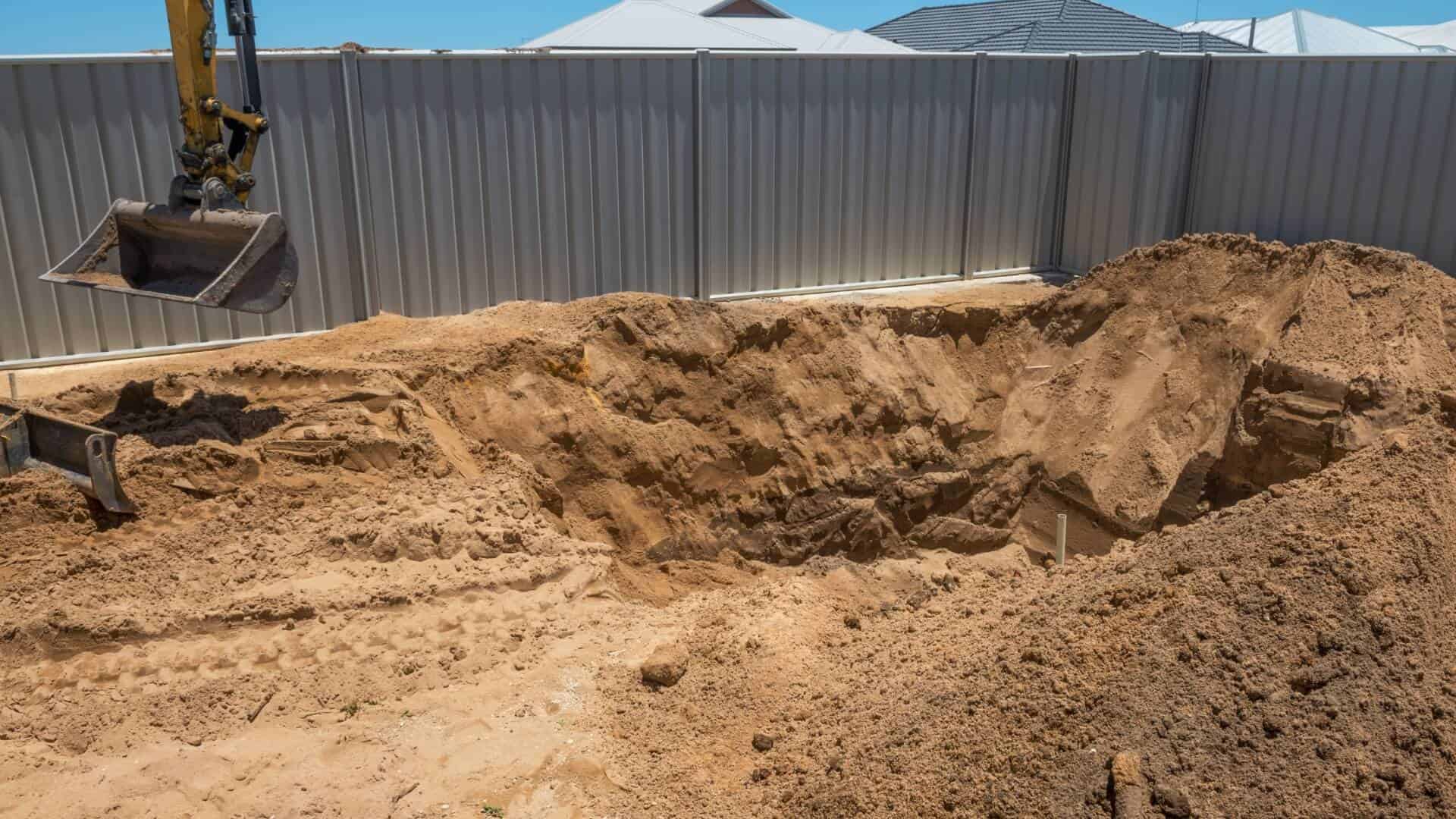
You might find a budget contractor who offers a suspiciously low price for digging a pool. Be very careful.
Some unethical operators engage in "fly-tipping"—dumping your sand in an empty plot nearby or out in the open desert to avoid paying landfill fees and fuel.The Risk: In Dubai, environmental fines are severe. If the waste is traced back to your project (and authorities track construction sites rigorously), you as the property owner could face penalties.
Always ensure your pool excavation company provides proof of proper disposal or uses registered transport companies.
When you receive a quote for excavation for swimming pool, look for the line item marked "Cart Away" or "Muck Away."
Factors that increase this cost include:
Understanding these factors helps you realize that the cost of pool excavation is calculated on logistics, not just the hours the machine spends digging.
The removal of sand is the unsung hero of the pool building process. It is a massive logistical operation that requires planning, permits, and heavy machinery.
When you are ready to start swimming pool digging, look for a partner who handles the entire cycle—from the first scoop to the final trip to the landfill. A transparent process ensures your yard stays clean, your neighbors stay happy, and your project stays legal.
Stop searching for "pool excavation near me" and guessing the costs. Contact us today for a site assessment. We will measure your access, estimate the soil volume, and give you a clear, all-inclusive price for digging and disposal.
.png)