In the high-stakes world of Dubai construction, gravity is the constant enemy. Every time a load leaves the ground—whether it is a bundle of rebar, a pallet of glass, or a 20-ton generator—risks multiply exponentially.
Dubai’s skyline is a testament to engineering marvels, but behind every skyscraper is a rigorous framework of safety protocols. The most important document on any site involving cranes is the Lift Plan.
Many inexperienced contractors view the Lift Plan as mere paperwork—a box to tick for the municipality inspector. This is a dangerous mindset. The Lift Plan is a life-saving simulation of the operation. It dictates the choice of lifting equipment hire, the positioning of the crane, and the safety of every worker in the vicinity.
At BuildOra G, we do not just rent cranes; we engineer solutions. As a premier lifting service provider, we understand that a successful lift happens on paper before it ever happens on site. In this guide, we break down why a Lift Plan is non-negotiable and how top lift service companies ensure compliance and safety.

A Lift Plan is a site-specific document that details exactly how a lifting operation will be executed. It is not a generic template. It must be tailored to the specific weight, radius, ground conditions, and equipment used on that specific day.
According to international standards (like BS 7121) and local UAE regulations, every lifting operation must be:
When you search for a lift company near me, the first question you should ask is not "How much is the crane?" but "Do you provide a comprehensive Lift Plan?"
You cannot just hire a crane driver and tell him to "lift that." Legal compliance requires an Appointed Person (AP).
The AP is responsible for creating the Lift Plan. They are the ones who calculate the physics.
If your chosen lift hire provider does not supply an AP or a Lift Supervisor, you are exposing your project to massive liability.
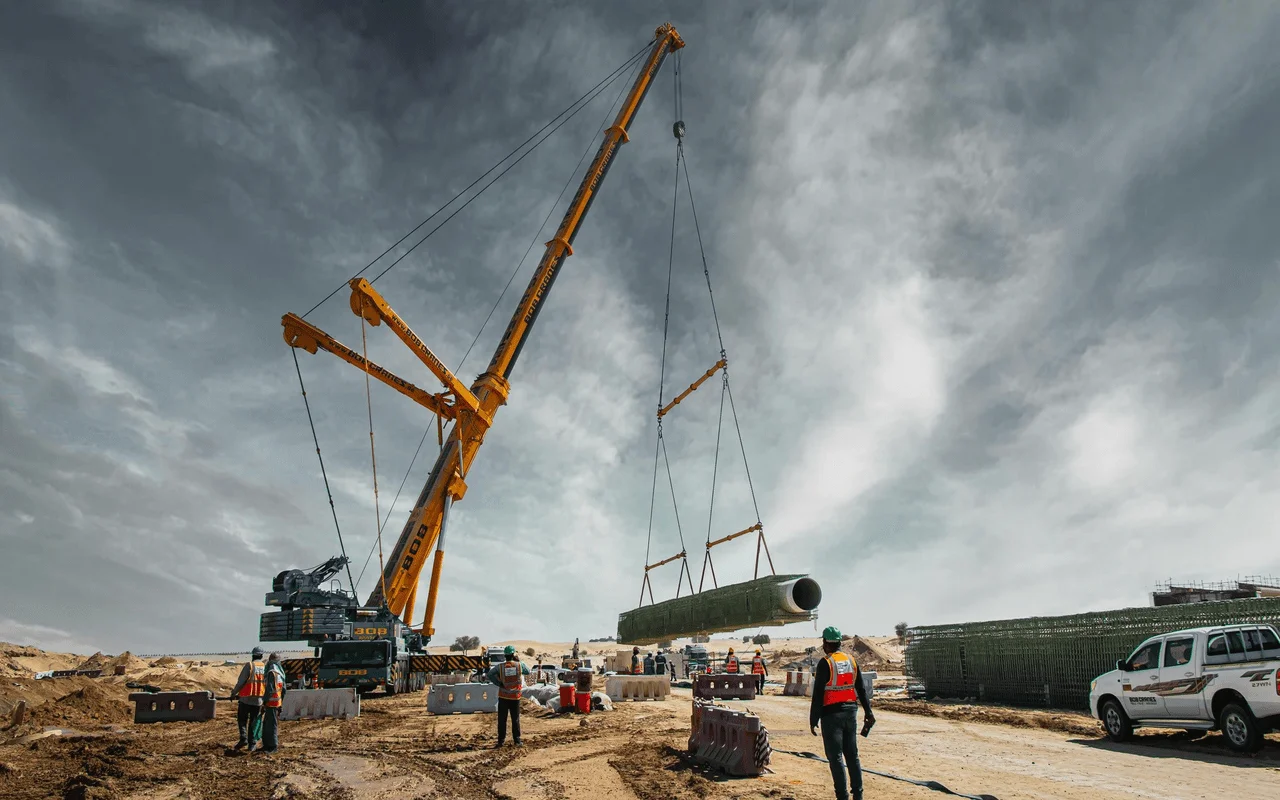
One of the most common causes of crane accidents is ground failure. A crane is only as strong as the ground it stands on.During the planning phase for lift crane rental, the AP must assess the Ground Bearing Pressure.
When a mobile crane lifts a heavy load, the weight is transferred through the outriggers (stabilizers). This can exert tons of pressure per square foot.
Top lift service companies will always inspect the ground conditions before sending the machine. If the ground is weak, we may recommend a different setup or ground improvement.
The Lift Plan dictates the equipment. Sometimes, a crane isn't the right tool.For vertical transportation of materials on high-rise projects, a service lift (rack and pinion hoist) might be specified in the logistics plan.
Understanding the difference between lifting service (the operation) and lifting equipment hire (the hardware) is crucial for budget and safety.
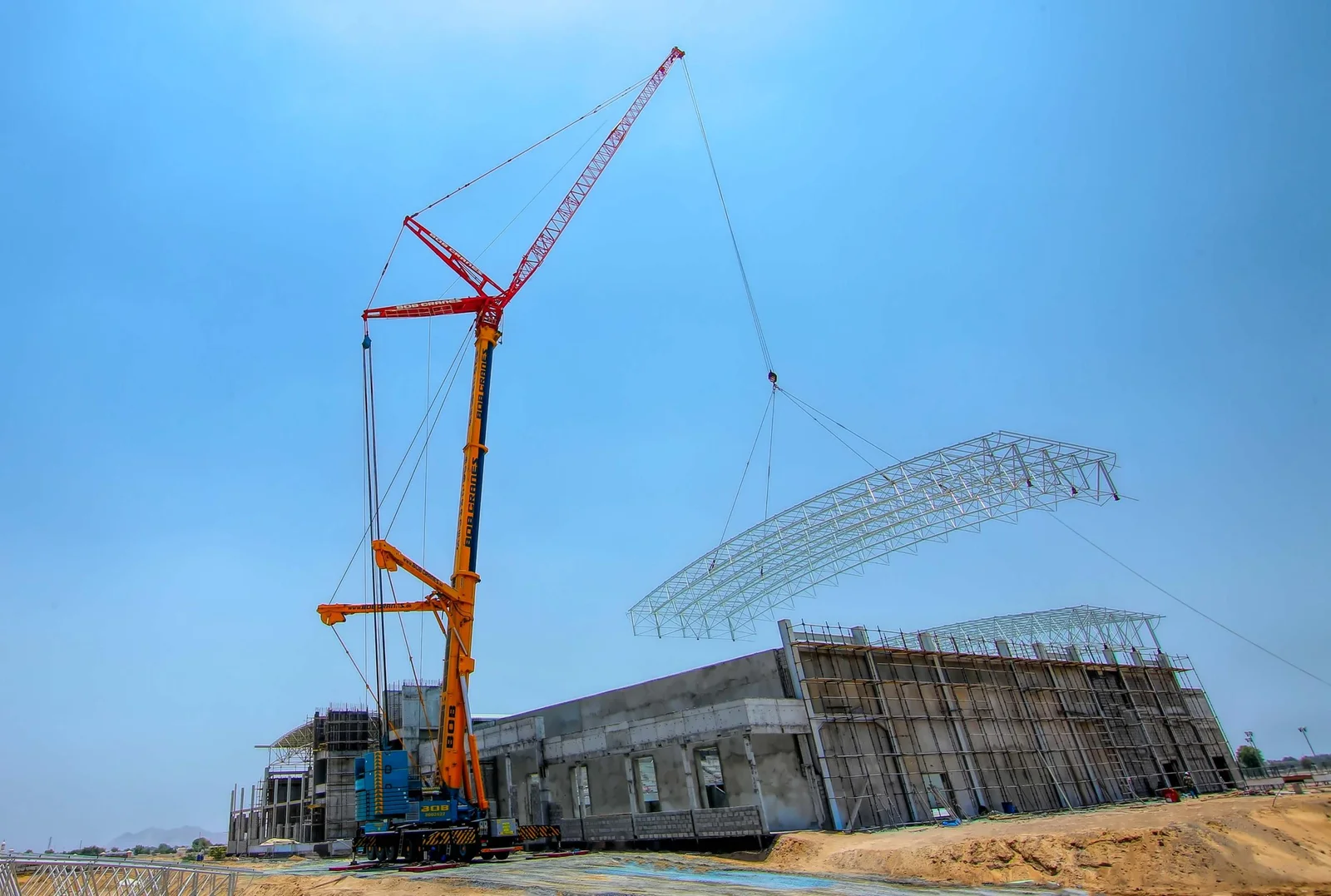
In Dubai, weather is a critical variable in any Lift Plan.Cranes have strict wind speed limits (usually around 9.8 m/s or 22 mph depending on the load surface area).
The Sail Effect:Lifting a large surface area object (like a billboard, a wall panel, or a shuttering form) catches the wind. Even a moderate breeze can cause the load to swing uncontrollably, putting stress on the boom and endangering workers.
A professional heavy lifting service provider monitors weather forecasts. The Lift Plan will explicitly state: "If wind speed exceeds X, operations must cease." Ignoring this protocol is a primary cause of accidents in the region.
The Lift Plan also specifies the personnel required.
When you opt for lift hire from BuildOra G, we ensure that the crew is not just "present" but fully briefed on the specific Lift Plan for that day. This is known as the "Toolbox Talk."
Why go through all this trouble? Why not just park the crane and lift?Aside from the obvious risk to life, the legal consequences in the UAE are severe.
If an accident occurs and there is no documented Lift Plan:
Trusting a reputable lift company near me that adheres to BS 7121 standards is your insurance policy against these risks.
For industrial projects—moving factory machinery, setting up power plant turbines, or installing bridge beams—standard planning isn't enough.This falls under heavy lifting equipment rental.
These plans involve 3D simulations, ground compaction testing, and traffic management plans (if blocking roads).At BuildOra G, our engineering team specializes in these high-complexity lifts. We don't just supply the crane; we supply the peace of mind that the physics have been triple-checked.
In construction, accidents don't "just happen." They are almost always the result of poor planning. The Lift Plan is the barrier between a successful project and a disaster.
Do not view lifting service as a commodity. It is an engineering discipline. Whether you need a simple lift hire for a day or a complex heavy lifting service for a megaproject, the paperwork is as important as the steel.
BuildOra G provides comprehensive lifting solutions. We bring the equipment, the certified personnel, and the detailed Lift Plans that ensure your project rises safely.
Plan your lift with the experts.Contact us today for a consultation and safety assessment.
👉 Request a Lift Plan Consultation
.png)