In the excitement of a construction or landscaping project, there is a moment of immense satisfaction. The heavy machinery has done its job. The piles of dirt are gone. The site, which was once a chaotic mess of rocks and debris, is now a perfectly flat, smooth canvas.
It looks ready. It looks solid.
But looks can be deceiving.
If you were to drive a truck onto that freshly leveled patch of earth, or pour a heavy concrete slab over it, disaster would strike. The wheels would sink. The concrete would crack.
This is known in the industry as "The Fluffy Soil Problem."
When earth is moved—whether by a shovel, a bulldozer, or a Bobcat for leveling—it incorporates air. It becomes "aerated" or "bulked." While the surface level might be correct, the density is gone. Building on this soil is like building on a sponge.
To turn that sponge into a stone-hard foundation, you need the twin discipline of leveling: Compaction.
In this guide, we will dive deep into soil mechanics. We will explain why site clearing and preparation is a two-step dance of cutting and compacting, and why simply looking for a ground leveling machine rental might lead to a structural failure if you don't understand what lies beneath.

To understand why compaction is necessary, we must understand what happens when we disturb the earth.
Soil in its natural state (Bank State) has been compacted by gravity and rain for thousands of years. It is dense.However, the moment we start commercial site preparation or residential grading, we dig it up.
The Physics of Excavation:When you dig up soil, you break the friction bonds between the particles. You introduce air pockets.
This means if you dig a hole and then immediately try to put the dirt back in, it won't fit. You will have a mound left over. This loose, aerated dirt is "Fluffy Soil."
If you perform ground leveling and create a flat surface using this loose material, it is unstable. Over time, gravity and rain will force the air out, causing the ground to settle. If you have built a house or a driveway on top of it, the structure will settle with it.
The most critical application of compaction is concrete site preparation. Concrete is heavy, rigid, and brittle. It has zero flexibility.
If the sub-base (the ground underneath) settles by just 1 centimeter, the concrete is left bridging a void. It cannot support its own weight or the weight of cars driving on it. SNAP. You get a structural crack.
The Leveling-Compaction Cycle:Professional contractors don't just level the ground once. It is a cycle.
This ensures that when the concrete truck arrives, the ground is rock solid. If you rely solely on a DIY rent machine to level ground approach and skip the roller, your concrete investment is at risk.
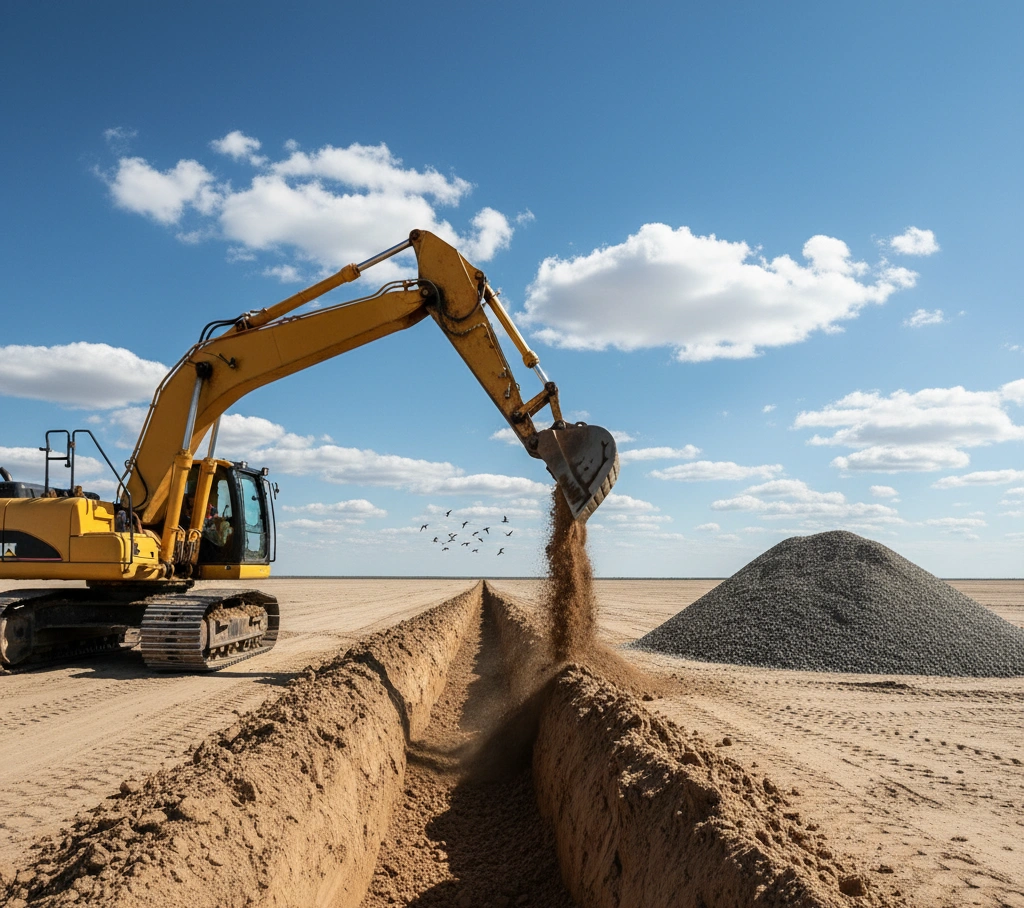
The "Fluffy Soil" issue isn't limited to structural concrete. It ruins gardens too.
When spreading topsoil for a new lawn, the goal is to provide a loose medium for roots to grow. However, there is such a thing as too loose.
Leveling Sand for Pavers:When installing interlock pavers, we use a layer of leveling sand.If this sand layer is too thick and "fluffy," the pavers will shift and rock when walked on.Professional site clearing and preparation involves compacting the sub-soil hard, and then screeding a thin, consistent layer of sand that is firm enough to hold the pavers in place.
This brings us to the machinery. When property owners look for ground leveling equipment rental, they usually ask for a loader or a grader.
What is missing?To fix the fluffy soil, you need dedicated compaction gear:
If you utilize a ground leveling machine rental service that only provides the Bobcat, you are only doing 50% of the job. You must ask for the roller.
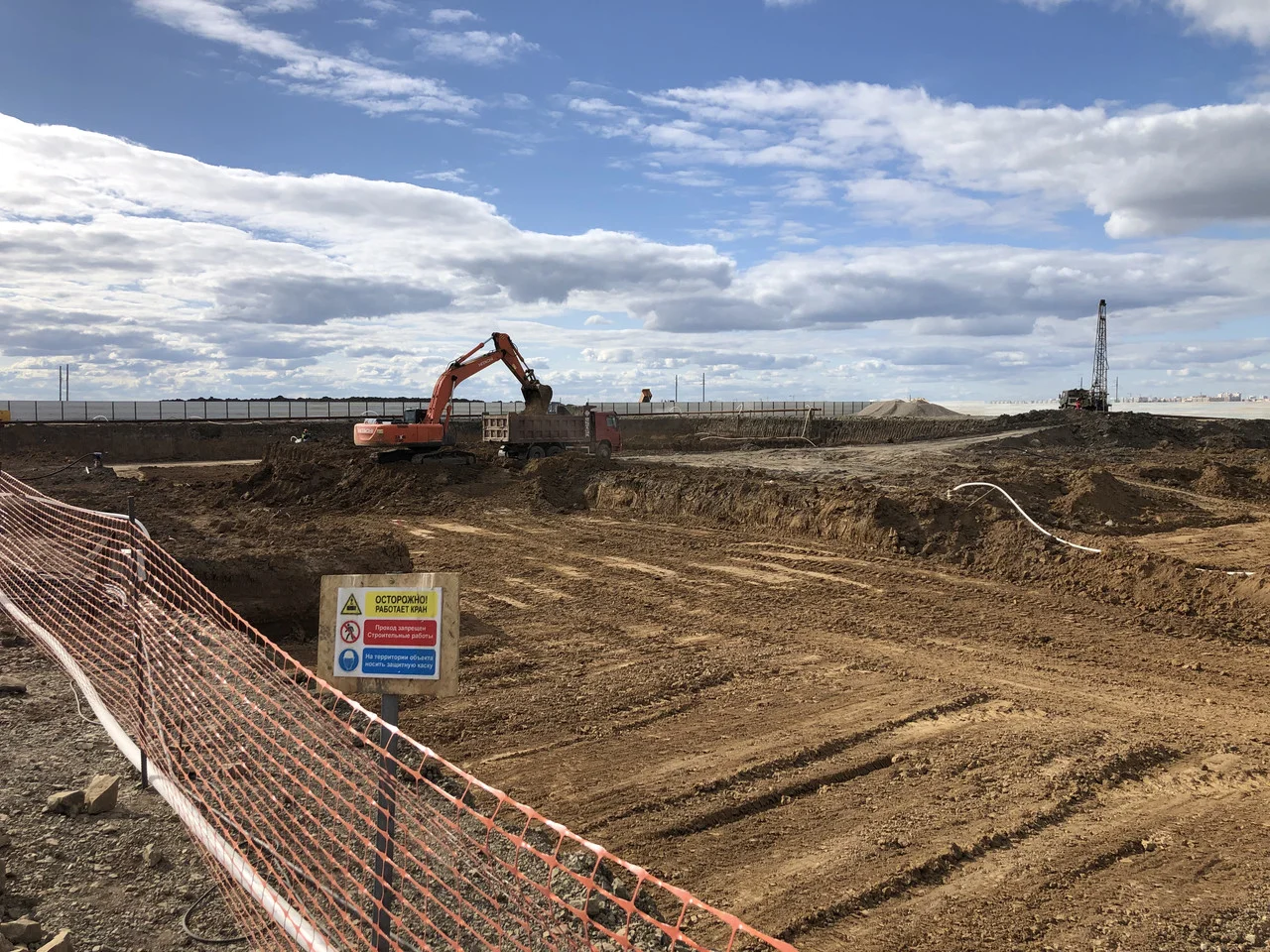
In commercial site preparation, we don't guess if the soil is "fluffy" or not. We test it.Engineers require a "Proctor Test" (Soil Density Test).
How it works:
If we fail the test (meaning there is too much air in the soil), we cannot pour the warehouse floor. We must continue rolling. This scientific approach ensures that commercial buildings don't sink.
We often see homeowners searching for rent machine to level ground to save money on their backyard renovation.They rent a small skid steer, push the dirt around until it looks flat, and then immediately lay turf or pavers.
Three months later:The patio is wavy. The grass has ruts from the lawnmower wheels.The homeowner saved money on the contractor but lost the value of the finish.
The Professional Difference:A professional ground leveling contractor understands "Lift Thickness."We don't dump 1 meter of dirt and try to compact it from the top. The compaction won't reach the bottom.We fill in "lifts" (layers) of 15cm-20cm, compacting each layer individually before adding the next. This ensures the entire soil column is stable, not just the crust.
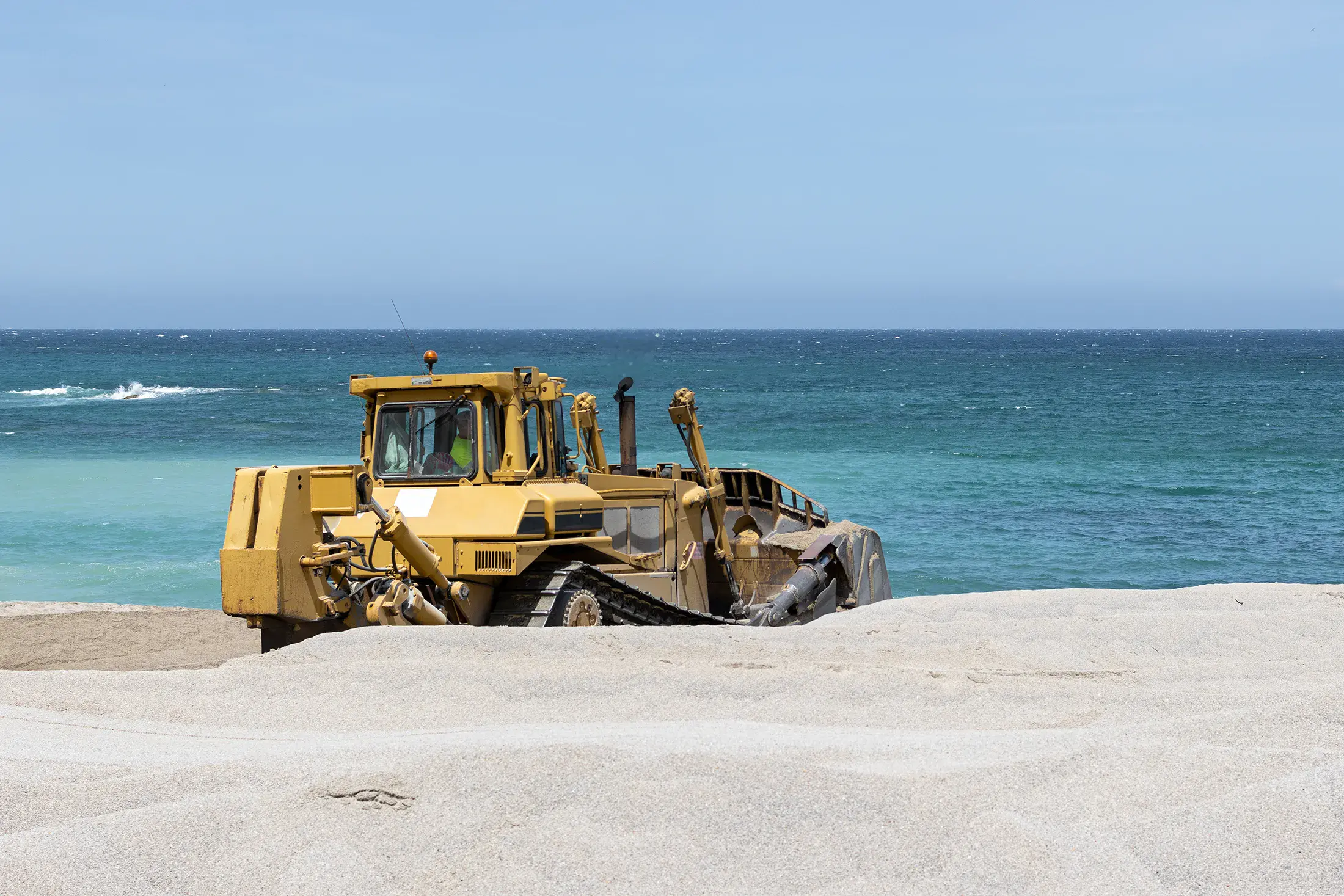
Sometimes, the soil is fluffy because it is full of organic matter (roots, leaves, trash).Organic matter acts like a sponge. It holds water and it rots. You cannot compact it.
This is why site clearing and preparation is the first step.Before we bring in the grading tractor rental or the leveling sand, we must strip the site down to the inorganic mineral soil.Attempting to level over the top of vegetation is the fastest way to ensure ground failure. The vegetation will decompose, creating voids, and the ground will collapse.
In construction and landscaping, Flatness is Vanity, but Density is Sanity.A perfectly flat site that is soft and fluffy is a liability. A properly compacted site is an asset.
When you plan your project, do not just budget for the Bobcat for leveling. Budget for the time and equipment needed to compact that soil back to its natural strength.
Are you planning a driveway, a foundation, or a garden? Don't let "fluffy soil" ruin your project.We are the experts in Ground Leveling and compaction. We don't just move dirt; we engineer the earth. From spreading topsoil to heavy commercial site preparation, we ensure your ground is level, dense, and ready to build.
Get a quote for the complete job.Visit our Ground Leveling Page to speak with our soil experts today.
.png)