In the world of logistics, the "Last Mile" is famous for being the most expensive and complex part of the delivery chain. It is getting the package from the local depot to the customer's doorstep.
In the construction industry, we have our own version of the Last Mile, and it is just as critical. It is the journey of materials from the delivery truck at the site gate to the exact point of installation—whether that is a masonry wall on the ground floor or a floor slab on the fourth story.
For mega-projects like skyscrapers, this is solved by massive tower cranes. But what about the vast majority of construction projects? Villas, townhouses, low-rise apartment blocks, and commercial warehouses often do not have the budget or the space for a static tower crane.
So, how do you get 50 pallets of blocks, heavy steel beams, or bulky AC units up to the roof?
Too often, the answer is a line of exhausted laborers carrying loads up ladders or stairs. This is slow, dangerous, and incredibly expensive.
There is a better way. Modern on-site material handling utilizes mobile machinery to bridge this vertical gap. In this guide, we will explore how to solve the "Last Mile" problem using the right building material shifting lift, turning a logistical nightmare into a competitive advantage.

Before looking at the machinery, we must understand the cost of the alternative. On many sites, materials are dumped at the gate. From there, they are moved manually.
If you are building a G+2 villa, and you need to get cement bags to the roof:
When you rely on manual labor for vertical logistics, you are burning budget on "double handling." You pay for the material, and then you pay again (in labor hours) just to move it.
Implementing a mechanical material lift for construction site operations eliminates this waste. One machine can lift 2 tons to the third floor in 30 seconds.
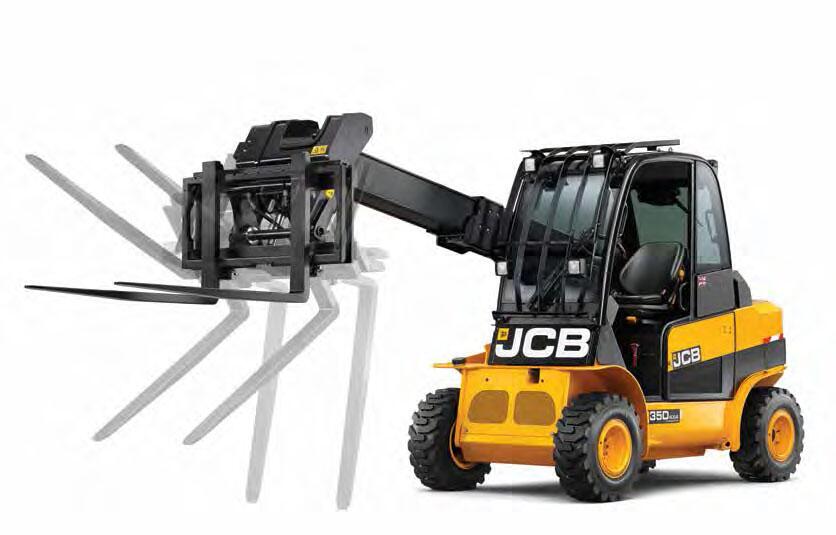
For low-to-mid-rise construction, the Tower Crane is often overkill, but a Forklift is useless because it cannot reach up. The solution is the Telehandler (Telescopic Handler).
A telehandler is essentially a forklift fitted with a telescopic boom. This allows it to drive over rough terrain and reach forwards and upwards. It is the ultimate building material shifting lift.
Often, you cannot drive right up to the building edge due to trenches, scaffolding, or fencing.
This capability transforms the "Last Mile" from a day-long struggle into a precise, "Just-in-Time" delivery system.
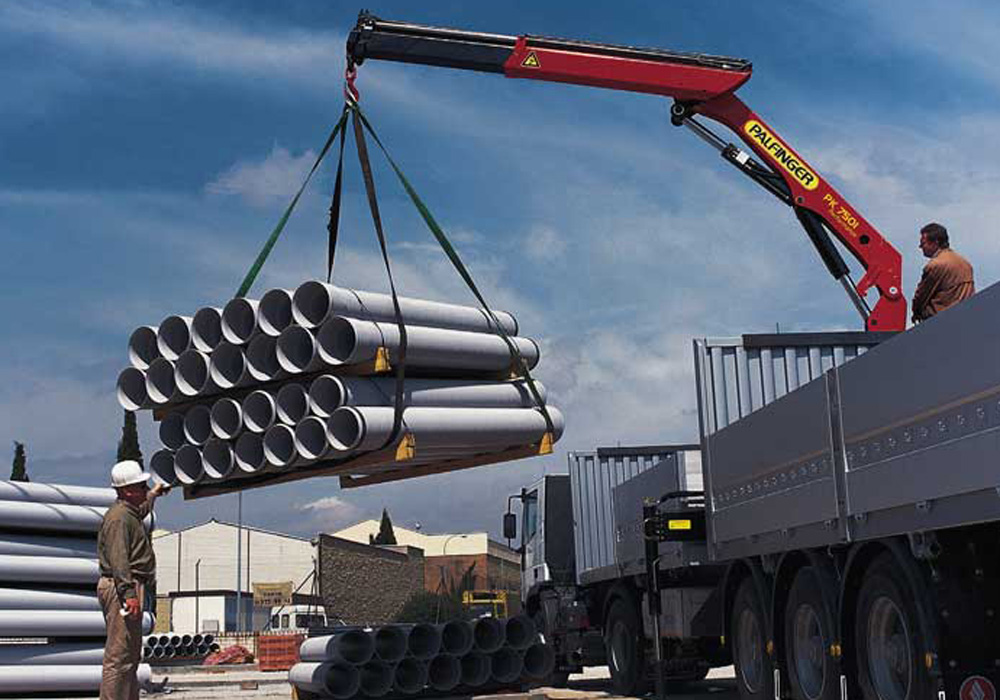
The challenge increases when the load isn't palletized. Modern construction involves lifting heavy equipment that cannot be broken down into smaller pieces.
Consider the installation of rooftop Air Conditioning units (chillers) or heavy steel I-beams for structural support.
The Mobile Solution:A high-capacity telehandler (e.g., 4-ton or 7-ton lift capacity) serves as an efficient alternative. By swapping the forks for a lifting hook or jib, the machine transforms into a mobile crane.
When searching for a heavy equipment moving service, ensure they have machines with sufficient "reach capacity." Remember, the further you extend the boom, the less weight you can lift. Professional planning is required.
On a bustling construction site, "moving" isn't just about going up; it's about navigating the chaos on the ground.Often, you need to relocate static assets: a generator, a fuel tank, or a cement hopper. These are heavy, awkward, and expensive.
You need professional heavy machinery movers—not necessarily an external company, but an internal capability provided by your material handling partner.
Moving Heavy Equipment Across the Site:A forklift will get stuck in the mud. A crane can’t "carry" the load across the site.A telehandler performs "Pick and Carry" duties.
This ability to self-perform moving heavy equipment keeps your site dynamic. You don't have to wait 24 hours for a crane rental to move a generator 50 meters; you just call your on-site telehandler.
While telehandlers and material lifts are powerful, they demand respect. Lifting heavy equipment to the third floor of a building is a high-risk activity.
Common Risks:
This is why many developers prefer to hire a dedicated heavy equipment moving service or a fully operated rental. This ensures that the machine comes with a certified operator who understands load charts, center of gravity, and ground conditions.Using a professional service transforms the risk into a managed process. The operator acts as the guardian of the "Last Mile," ensuring materials arrive safely without damaging the building or injuring workers.
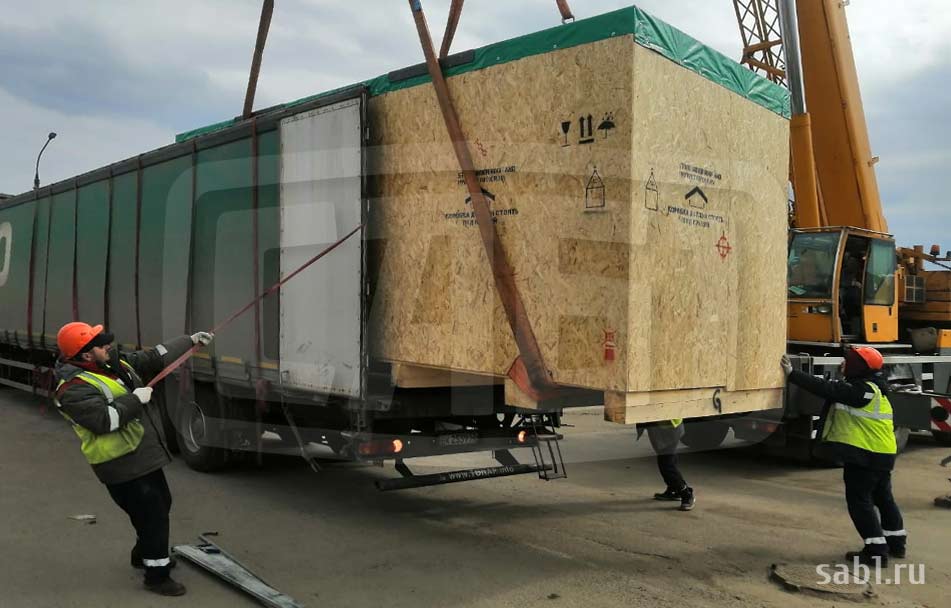
The philosophy of efficient on-site material handling is "One-Touch."Ideally, you want to touch the material only once: when you lift it off the delivery truck and place it exactly where the worker needs it.
Every time you set a load down in a temporary storage area, you incur a cost to pick it up again.
By using a capable material lift for construction site logistics, such as a telehandler with long reach, you can often unload the truck and place the pallet directly onto the second-floor slab in a single motion. This eliminates two stages of handling, tripling your efficiency.
The "Last Mile" on your construction site is where your profit margin lives. If you are still relying on manual labor or inappropriate equipment to move materials vertically, you are losing money every hour.
Whether you are moving heavy equipment across the sand or lifting pallets of blocks to the roof, the right machinery changes the game. It turns a chaotic, slow site into a synchronized assembly line.
Are you ready to stop the manual handling madness?We provide comprehensive On-Site Material Handling solutions. From telescopic handler rental to expert heavy machinery movers, we have the equipment and the operators to handle your Last Mile.
Need a lift?Visit our On-Site Material Handling Page to find the perfect building material shifting lift for your project today.
.png)