For property developers, investors, and homeowners, the year 2026 brings new opportunities in the real estate market. However, before new structures can rise, old ones must often fall. Whether you are clearing an aging villa to build a modern mansion or removing a defunct commercial warehouse, the first step is always the same: Demolition.
But how much does it actually cost?
In the construction industry, the cost of building demolition is rarely a fixed number on a menu. It is a dynamic calculation influenced by global fuel prices, labor rates, and increasingly strict environmental regulations regarding building waste management.
Many clients make the mistake of looking only at the "knock-down" price. They forget that the building is just the tip of the iceberg. The real cost lies in what happens after the walls come down—the logistics of debris, the clearing of the land, and the preparation of the soil.
In this guide, we will break down the true demolition and site clearance cost for 2026, exploring the factors that drive prices up and how professional site clearance services can actually save you money in the long run.

The starting point for any quote is the physical reality of the building. However, in 2026, pricing models have evolved to be more granular.
Naturally, a two-story villa costs more to demolish than a single-story bungalow. High-reach excavators cost more to rent and operate than standard machinery.
If your site is in a dense urban area or a tight residential compound, large machinery cannot be used. We may need to use smaller equipment or manual labor to ensure safety. Slower work equals higher labor costs.
If the building was constructed before the year 2000, it might contain asbestos or lead paint. The safe removal of these materials requires specialized teams and permits, which is a separate line item from the standard cost of building demolition.
The most expensive part of demolition isn't knocking the building down; it is making it disappear.Once a building is flattened, you are left with a mountain of rubble. This is where heavy debris removal becomes the primary cost driver.
Concrete is incredibly dense. A standard residential villa can generate hundreds of tons of concrete waste.
It takes a fleet of dump trucks to clear a site. The fuel, the drivers, and the sheer number of trips required to haul away the rubble are all factored into the demolition and site clearance cost.
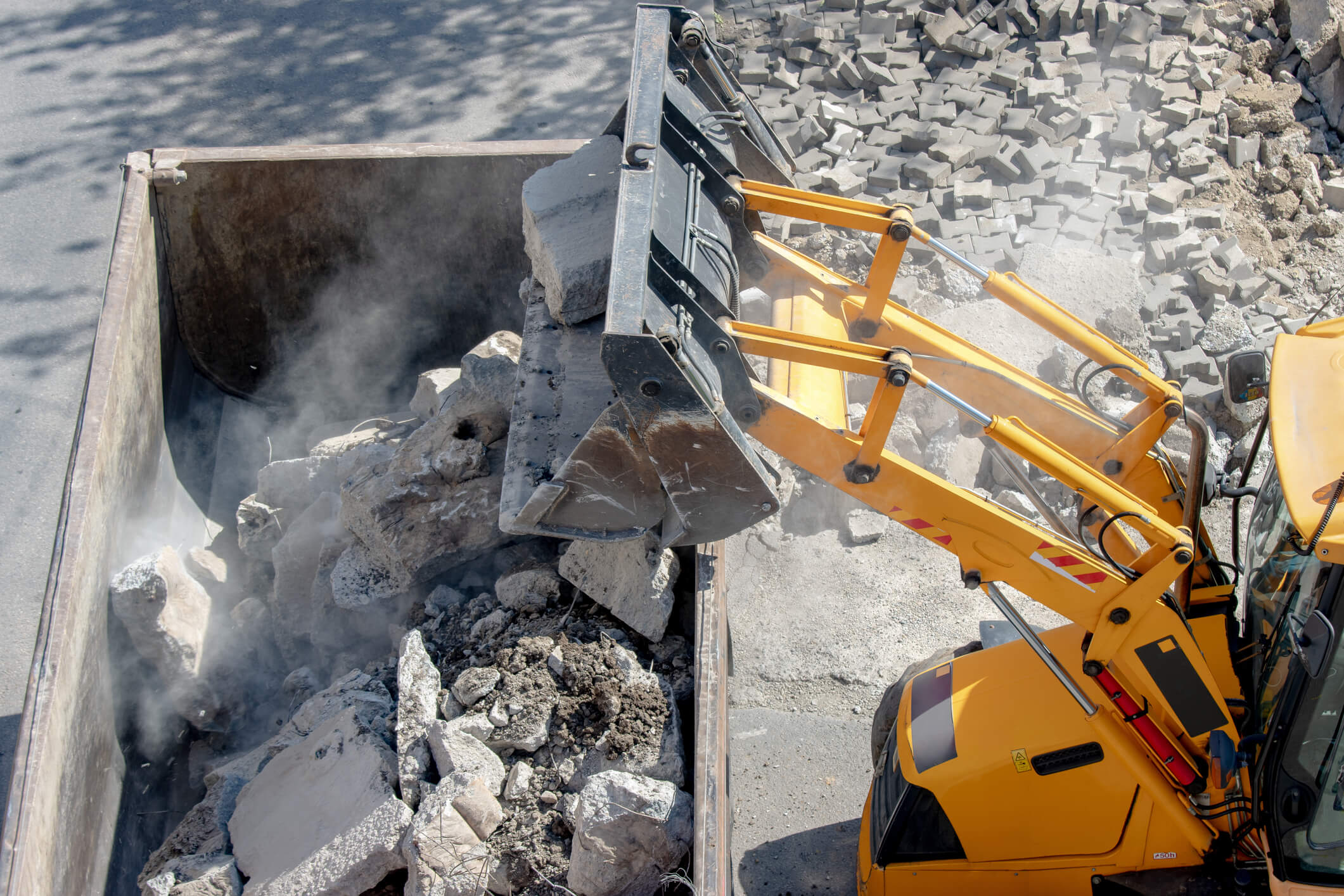
Once the building is gone, the job isn't finished. You cannot build a new house on a plot filled with roots, rocks, and leftover trash. This is where site clearance services come into play.
Site clearance is the process of preparing the land for the next phase of construction.
In many regions, specifically sandy environments like the UAE, windblown sand or excess soil is a major issue.If your plot is uneven or has accumulated mounds of sand over the years, you will need sand removal services.
Ignoring this step can lead to massive headaches for your piling or foundation contractor, so it is vital to include sand removal services in your initial scope.
In 2026, a "broom swept" site is the industry standard. Construction site cleanup is not just about aesthetics; it is about safety and liability.
Leaving jagged rebar, shards of glass, or unstable ground can result in injuries to surveyors or engineers who visit the site after we leave.
A low-budget contractor might skip the final construction site cleanup, leaving you with a hazardous plot that you have to pay someone else to fix.
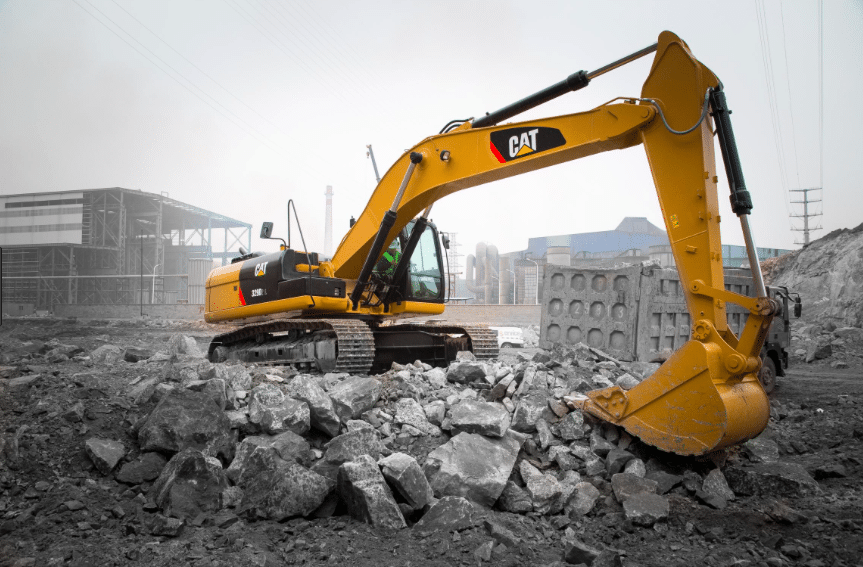
The construction industry is under increasing pressure to go green. Building waste management is no longer optional; it is regulated.
In 2026, clients are often required to prove where their waste went.
Hiring a contractor who adheres to strict building waste management protocols protects you from fines and legal issues. It ensures that the cost of building demolition includes ethical and legal disposal.
When you receive a quotation for the demolition and site clearance cost, look for transparency. A "lump sum" number with no details is a red flag.
A professional quote should break down:
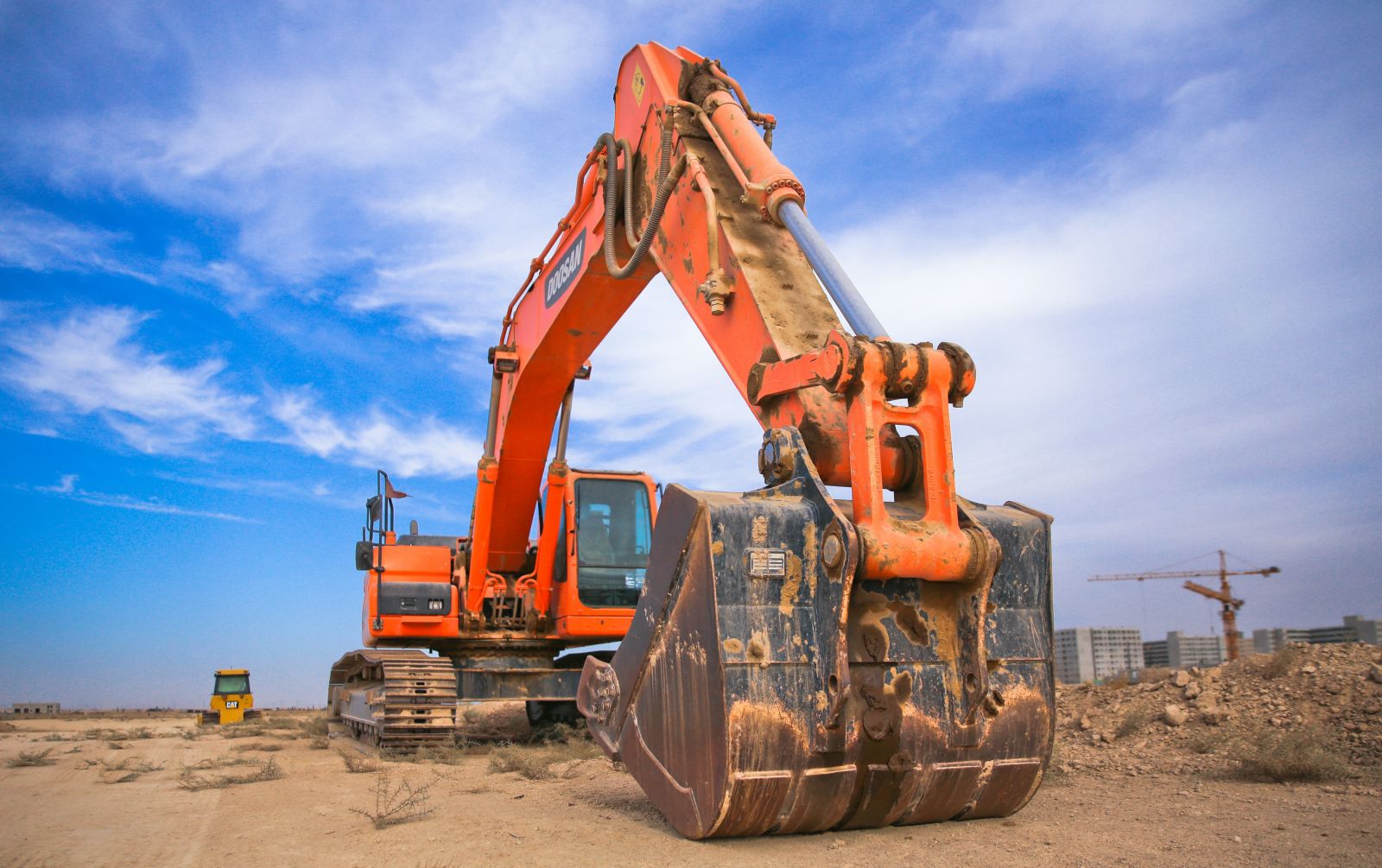
As we look toward 2026, the cost of building demolition is a reflection of the complexity involved in doing the job right.While it might be tempting to choose the cheapest option, the risks of incomplete concrete debris removal, illegal dumping, or poor site clearance services can end up costing you double in the long run.
A clean, level, and legally cleared site is the best foundation for your new project.
Are you planning a development in 2026? Don't let the demolition phase become a budget trap. Trust the experts who understand the full scope of heavy debris removal and site clearance services.
Visit our Demolition Services Page today for a transparent, detailed consultation on your project. We handle everything from the first permit to the final construction site cleanup, ensuring your land is ready for its new future.
.png)