Renting a forklift is one of the most efficient solutions for construction sites, warehouses, manufacturing facilities, and logistics environments. Businesses often choose forklift rental options instead of purchasing because rental provides flexibility, lower operating costs, and access to modern, well-maintained equipment.
But regardless of whether you choose a construction forklift rental, electric forklift rental, or a short-term option like rent a forklift for a day, safety must always stay the top priority. Forklifts are powerful machines capable of lifting heavy loads to significant heights. Any mistake — even a small one — may result in damaged inventory, injured operators, or costly downtime.
This massive guide covers the top forklift safety tips, pre-rental requirements, best practices during operation, and the most common accidents and how to avoid them. The aim is simple: to help you rent and operate forklifts safely and professionally, whether you manage a warehouse in Dubai or search for forklift on rent options for a construction project.
Forklift accidents are more common than many people think. Most of them come from human error, lack of training, or overestimating the capability of the rented machine. Rental forklifts are safe, but only when used correctly.
Here’s why safety must be your highest priority:
The primary goal is to avoid injuries. A forklift accident can harm operators, workers walking nearby, and even visitors on the site.
Damaged goods, racks, equipment, or the forklift itself mean direct financial loss. Safe operation leads to fewer incidents.
Accidents cause delays, shutdowns, and long investigations. Safe forklift usage keeps your operations flowing smoothly.
Most jurisdictions have strict safety standards for lifting equipment. Following best practices helps avoid fines and legal complications.
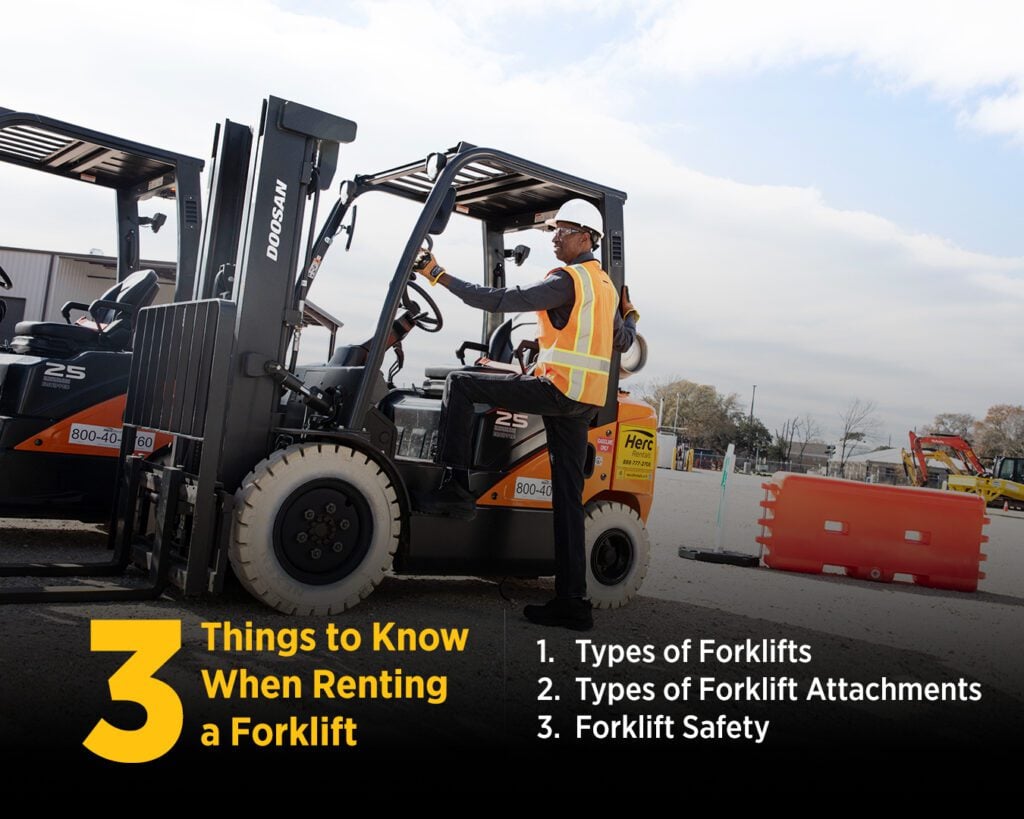
Before you rent a forklift, make sure you complete the following checks. These apply whether you choose electric forklift rental, construction forklift rental, or any type of forklift on rent.
A reputable provider should:
Safety starts with the rental company you choose.
The wrong type of forklift can be unsafe for your job.
Electric forklifts are best for:
✔ Indoor warehouses
✔ Smooth flooring
✔ Enclosed spaces
✔ Cleanrooms or food storage
Construction forklifts are ideal for:
✔ Outdoor sites
✔ Rough terrain
✔ Heavy, bulky loads
Choosing the correct machine is a major part of forklift safety.
Before renting:
Never rent a forklift without knowing exactly what you need to lift.
Even when renting from trusted providers, always inspect the machine on arrival:
If anything looks suspicious, ask for another unit.
No forklift — electric or diesel — is safe without a trained operator. Whether you're planning to rent a forklift for a day near me or a long-term project, only certified operators should be allowed to use the equipment.
Operators must understand:
Training reduces mistakes that often lead to preventable accidents.
Operators should have real-world practice with:
Every location is different:
Even trained operators should receive on-site orientation.
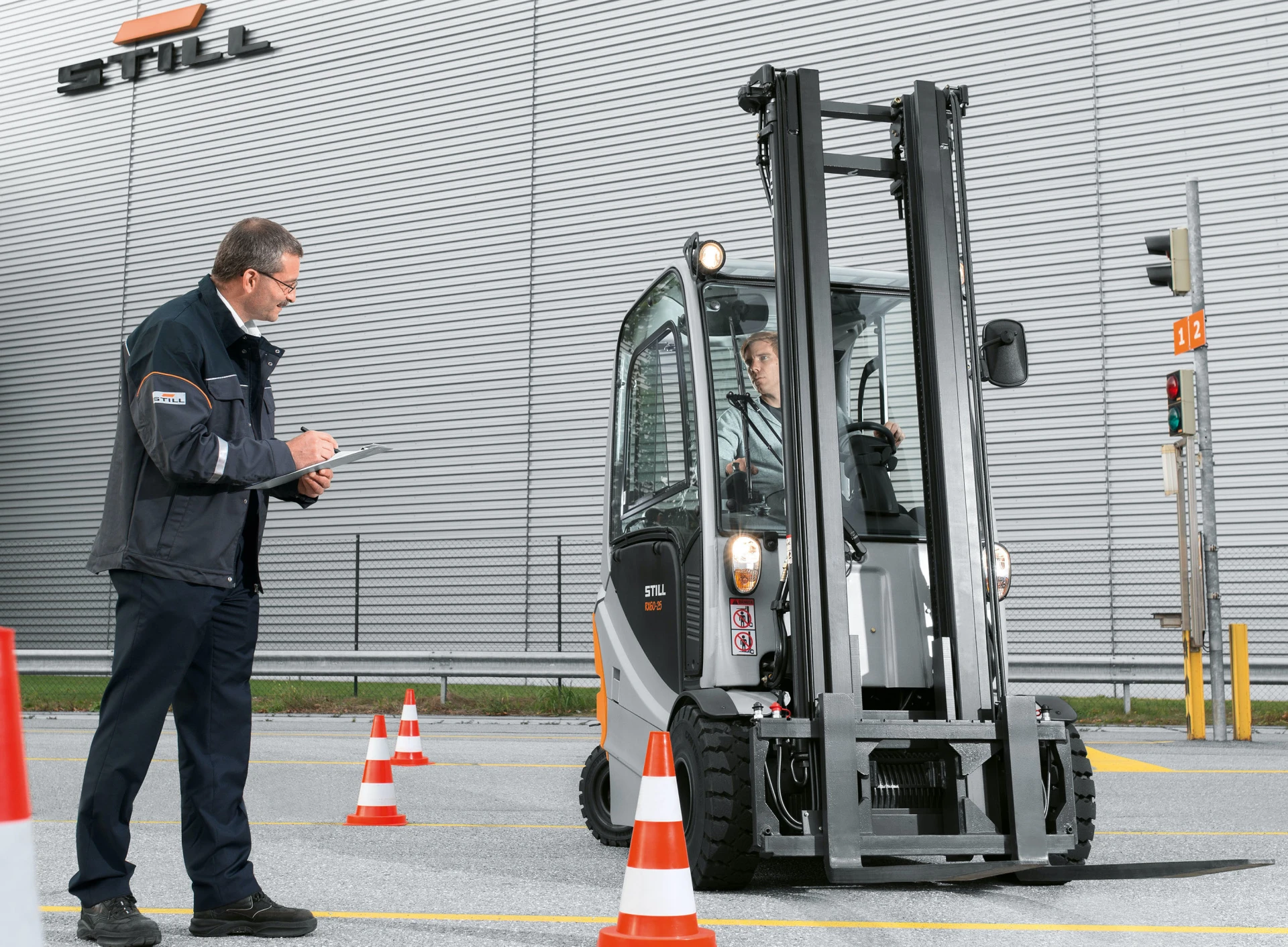
Below are the top operating safety rules that apply to all forklift rental scenarios.
If an operator cannot see clearly:
Most collisions happen because of blind spots.
Stability is the foundation of forklift safety:
Forklifts must move slowly.
High speed = high risk.
Fast turns or sudden stops may cause the forklift to tip.
Forklifts are designed for one operator only.
Especially when entering corners, intersections, or backing up.
Forklifts must keep distance from:
When choosing an electric forklift rental, focus on:
Electric forklifts produce no emissions, making them the safest choice for indoor environments.
Electric forklifts need:
Construction forklifts require stricter safety protocols:
Watch for:
Wind, rain, and sandstorms reduce visibility and stability.
Operators should always wear:
Loads must be evenly distributed and properly secured.
Below are the most common accident categories — all preventable.
Cause: Overloading or driving too fast
Solution: Respect load limits, slow down, avoid sharp turns
Cause: Blind corners, poor visibility
Solution: Use horns, mirrors, spotters, and clear pathways
Cause: Incorrect load positioning
Solution: Keep loads balanced and properly secured
Cause: Crowded work areas
Solution: Establish forklift-only routes
Cause: Wet surfaces
Solution: Drive slowly, avoid sharp movements
Every shift should start with the same safety steps:
✔ Check tires and wheels
✔ Inspect forks
✔ Test brakes and steering
✔ Confirm horn and lights
✔ Inspect chains and mast
✔ Check battery or fuel level
✔ Look for leaks or damage
A few minutes of inspection can prevent major accidents.
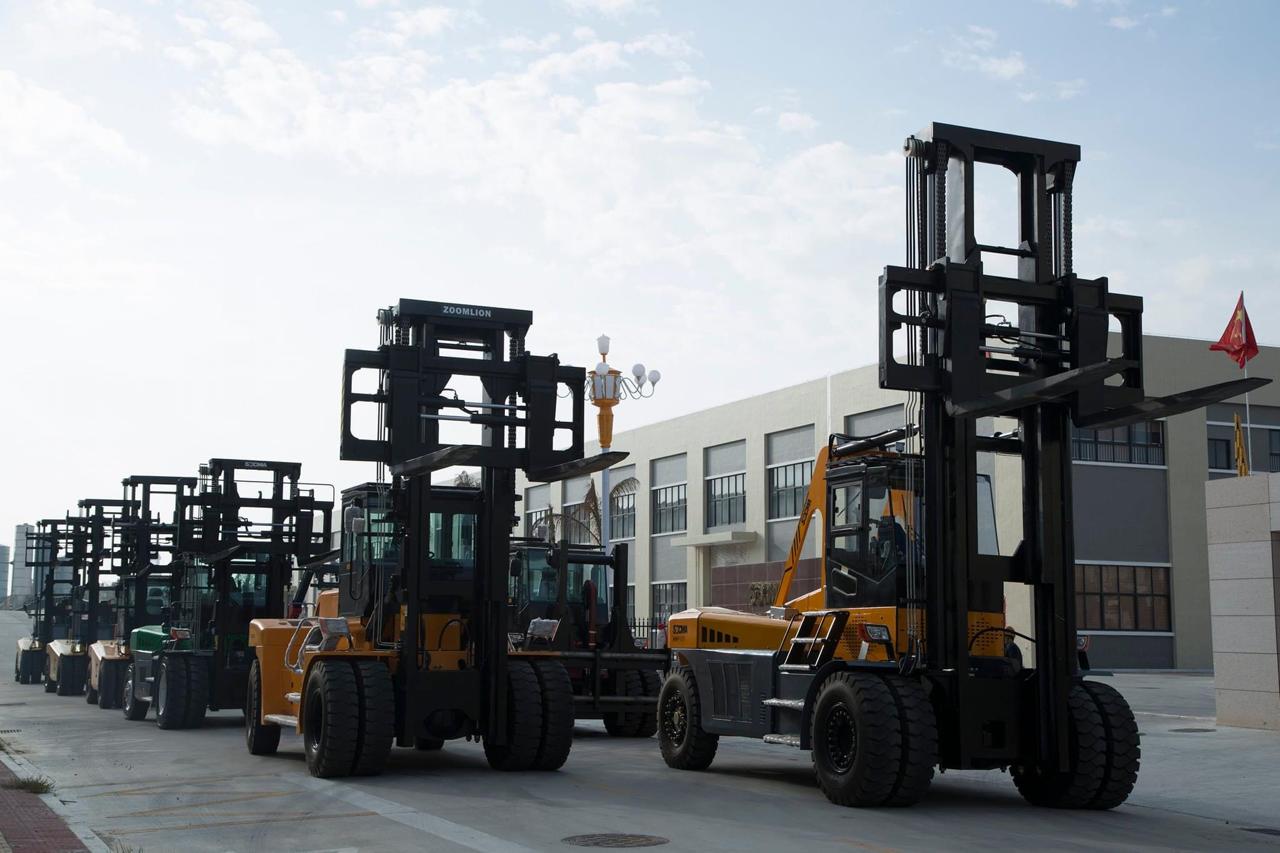
Mark forklift-only lanes.
Debris on the floor can cause tipping.
Use barriers and signs.
Dark areas create hidden hazards.
Helps avoid blind-spot accidents.
When you rent a forklift for a day, operators often rush to finish work quickly — which increases risk.
Key rules:
Short-term rentals must follow the same safety standards as long-term projects.
Renting gives access to:
And most importantly — you always get a machine in safe working condition.
1. Are rental forklifts safe for beginners?
Only trained operators should use forklifts.
2. Can I request safety training from the rental company?
Yes, most providers offer basic training or certified operators.
3. Are electric forklifts safer indoors?
Yes — they produce zero emissions and are quieter.
4. Should I inspect the forklift myself?
Absolutely. A pre-shift inspection is required.
5. Does rental include safety equipment?
Usually not. PPE must be provided by the employer.
Safety must be the #1 priority when choosing forklift rental services in Dubai. Whether you need an electric forklift rental for indoor warehouses or a construction forklift rental for heavy outdoor tasks, following these safety guidelines ensures smooth, efficient, and accident-free operations.
If you’re planning to rent a forklift for a day near me or need a long-term unit, remember:
✓ choose the right forklift
✓ train your operators
✓ inspect daily
✓ follow operating rules
✓ maintain a safe site
Safe renting = safe lifting.
.png)