When we watch a demolition taking place, our eyes are naturally drawn to the spectacle of destruction. There is a primal fascination in seeing a hydraulic crusher bring down a concrete wall or an excavator tear through a roof. But once the dust settles and the noise fades, a massive, silent problem remains: The Rubble.
A single two-story villa can generate upwards of 500 tons of waste. A commercial building? Thousands of tons. This mixture of concrete, steel, glass, wood, and plastic cannot simply disappear. In a city like Dubai, which is aggressively pursuing sustainability goals and strict environmental regulations, the days of dumping debris in the desert are long gone.
For property owners and developers, understanding demolition waste management is no longer optional—it is a legal necessity. The path your debris takes determines the cost of your project, the speed of your completion certificate, and your compliance with the law.
In this guide, we will follow the journey of the rubble. We will pull back the curtain on how professional demolition contractors Dubai handle the logistical nightmare of waste, transforming what looks like trash into valuable resources for the future city.
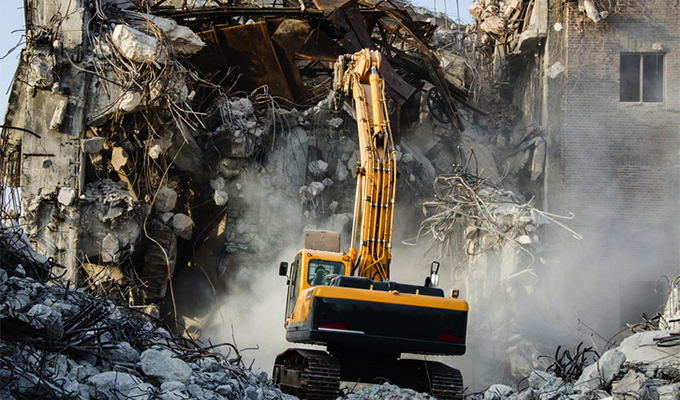
Before a single truck is loaded, we must understand the rules. Dubai Municipality and various environmental bodies have established strict guidelines regarding construction and demolition (C&D) waste.
The "Green Building Regulations" mandate that a significant percentage of waste must be diverted from landfills. This means that licensed demolition contractors are not just hired muscles; they are environmental compliance officers.
This is why hiring reputable construction demolition companies is vital. We ensure that every kilogram of debris is accounted for, protecting you from legal exposure.
The journey of the rubble begins before it even leaves your property. Effective waste management starts with segregation.
In the past, contractors might have smashed everything into one big pile. Today, that is inefficient and expensive. Mixed waste attracts the highest "tipping fees" at disposal sites because it is hard to process.Top-tier building demolition services implement a "Sort-at-Source" strategy:
By separating these streams on-site, we maximize the recycling potential and minimize the volume of waste sent to the landfill.
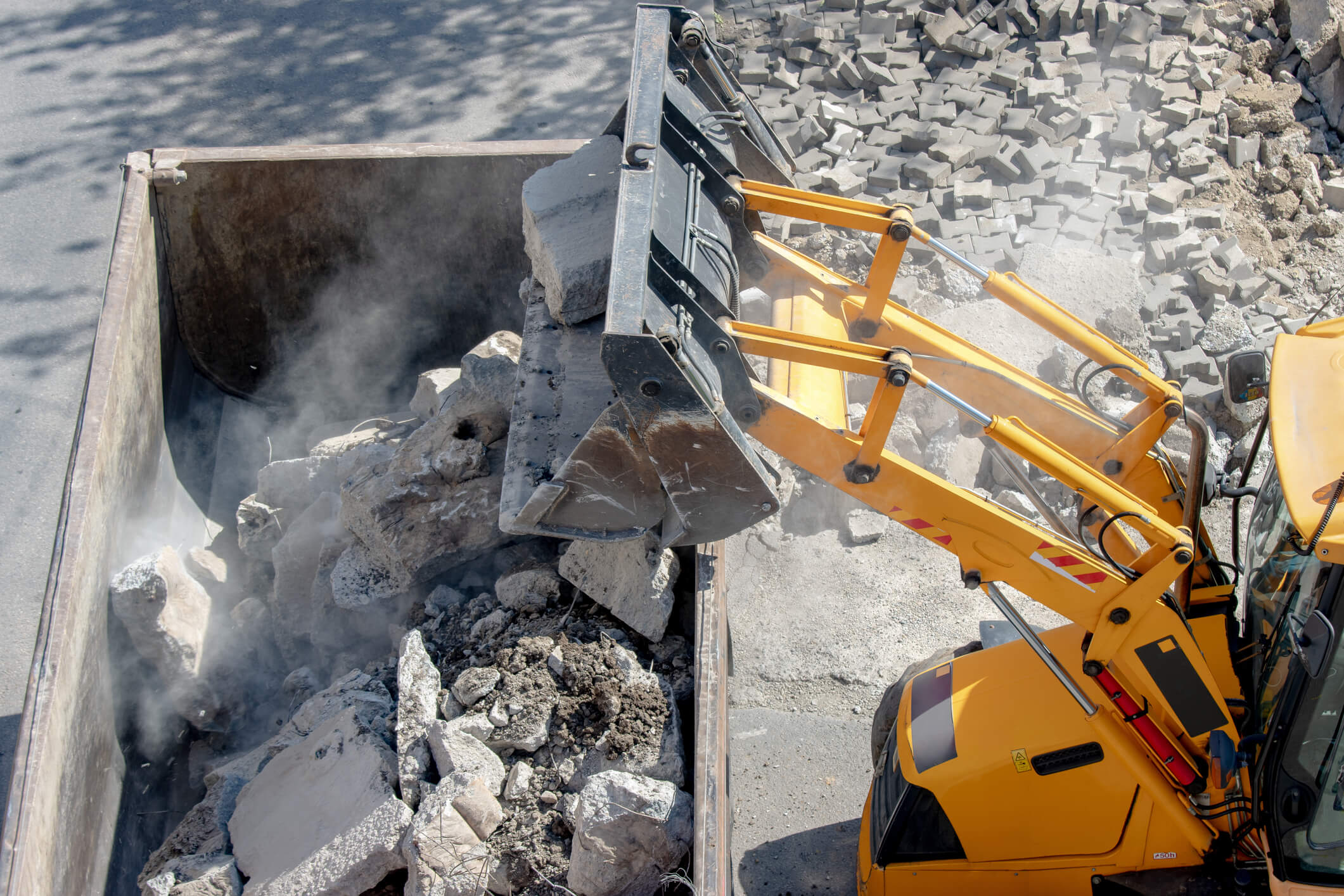
Concrete makes up the vast majority of demolition waste by weight. So, where does it go?Ideally, it never sees a landfill.
The Crushing Process:Trucks transport the clean concrete rubble to specialized recycling facilities (often managed by Tadweer or private entities). Here, the large chunks are fed into massive industrial crushers.
The Result: Recycled Aggregate.This crushed concrete finds a second life as "aggregate." It is used to build the roads you drive on, as a sub-base for new driveways, or for landscaping.By choosing demolition contractors Dubai who prioritize recycling, you are essentially donating your old house to help build the city's future infrastructure. This is the "Circular Economy" in action.
Steel is the gold standard of recycling. Unlike plastic, which degrades, steel can be recycled infinitely without losing strength.The rebar extracted from your columns, the beams from your roof, and the copper from your wires are sent to scrap metal yards.
Experienced residential & commercial demolition contractors have established relationships with scrap dealers, ensuring that the metal is processed efficiently and ethically.
Not all rubble is safe. Older buildings often contain hazardous materials like asbestos, lead paint, or chemical residues.This waste cannot go to a recycling center. It must travel a separate, highly regulated path.
The Protocol:
Standard demolition company Dubai operators may not be equipped for this. You need a full-service provider who understands the specific "Hazardous Waste Manifests" required to move this dangerous cargo through the city safely.
Despite our best efforts, some materials cannot be recycled. Treated woods, certain plastics, contaminated gypsum, and non-recyclable insulation fall into the category of "General Waste."This material is sent to engineered landfills.
However, the goal of modern building demolition services is to keep this percentage as low as possible—often aiming for less than 20% of the total building mass.By minimizing landfill waste, we reduce methane emissions and save valuable land space.
Clients often ask: "Why does the quote vary so much between contractors?"Often, the answer lies in waste management.
However, professional waste management can also save money. By efficiently segregating metal and clean concrete, we reduce the heavy tipping fees associated with mixed waste. We pass these efficiency savings on to the client.
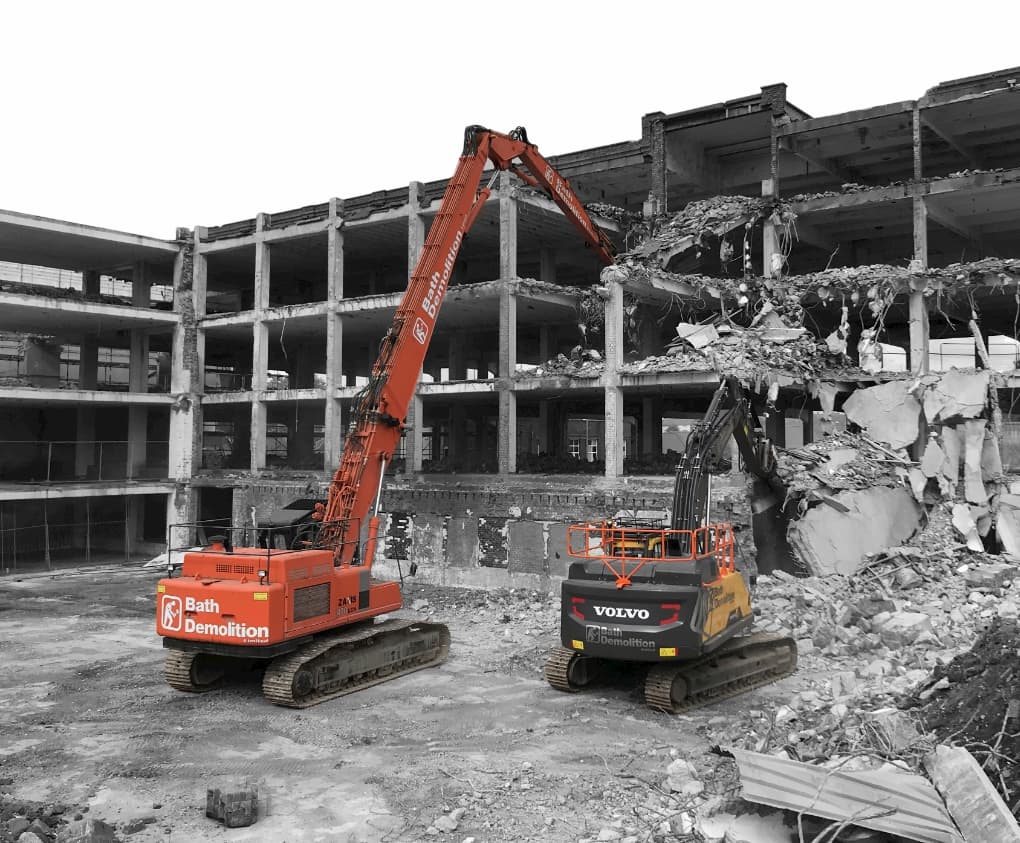
Demolition is often seen as a destructive act, but when done correctly, it is the first step of sustainable construction."Where does the rubble go?" is a question that defines the ethics and quality of your contractor.
If the answer is "to a recycling facility to build the future," you know you are in good hands. If the answer is vague, beware.
At our company, we don't just knock buildings down; we manage the entire lifecycle of the material. We are proud to be one of the leading demolition contractors Dubai trusts for sustainable, compliant, and efficient waste management.
We handle the sorting, the hauling, and the recycling, ensuring your site is cleared legally and responsibly.
Ready to start your project with a clean conscience?Visit our Demolition Services Page to learn more about our eco-friendly approach and get a quote for your next project.
.png)