You have finally decided to take the plunge. You are going to build a swimming pool. You can already see the sparkling blue water and the weekend BBQs. But then, a terrifying thought crosses your mind:
To build that pool, a massive, multi-ton metal machine needs to drive through your manicured garden and over your expensive driveway pavers.
Will the weight crack my tiles? Will the tracks tear up my lawn? Will the vibration damage my boundary wall?
These are valid concerns. Swimming pool digging is a heavy industrial process taking place in a delicate residential environment. However, destruction is not inevitable. With the right preparation and the right pool excavation company, your property can remain pristine.
In this guide, we will explain exactly how professionals protect your home during swimming pool excavation, what risks exist, and how to ensure your driveway survives the process unscathed.
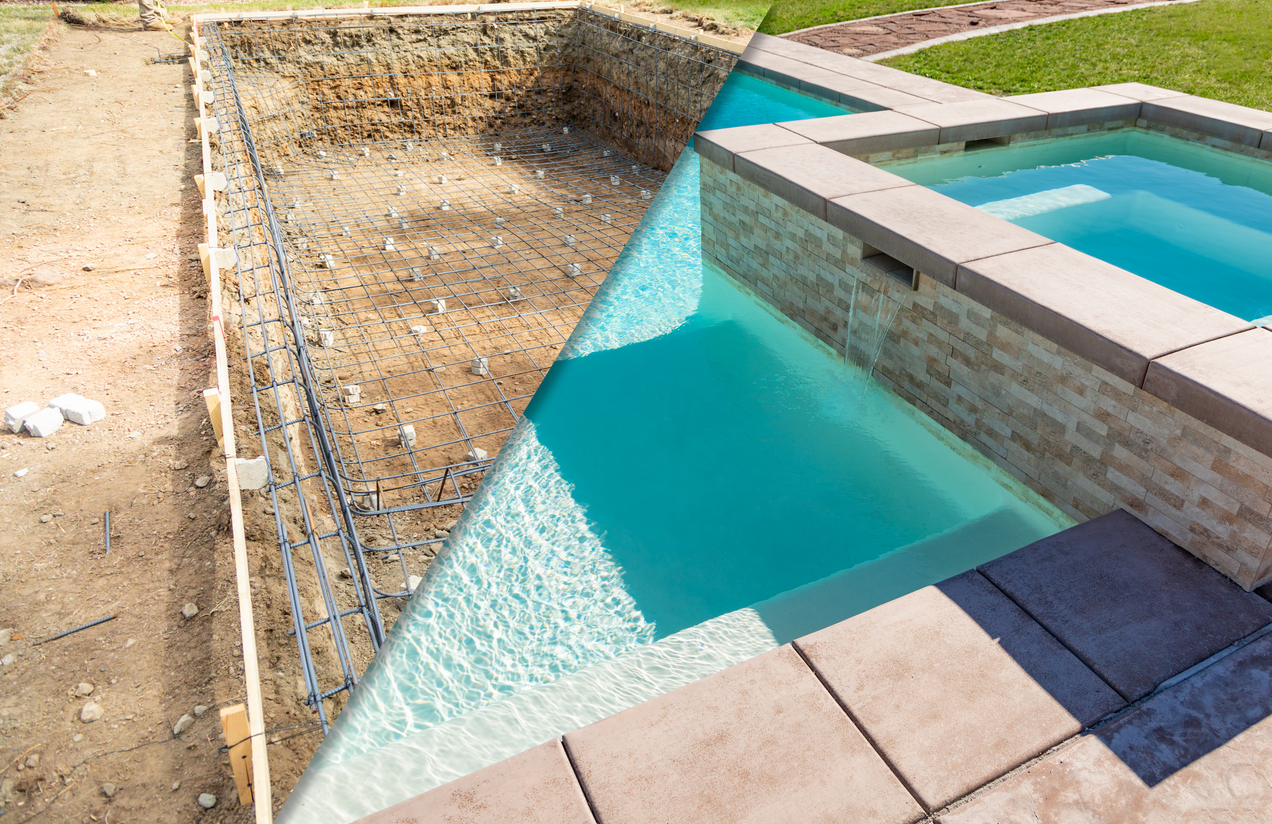
First, let’s look at the physics. A standard mini excavator used for digging a pool weighs between 1.5 and 5 tons. A loaded dump truck carrying away the sand can weigh significantly more.
If you drive that amount of concentrated weight directly onto residential paving stones or ceramic tiles, two things happen:
This is why you should never simply hire the first result for "swimming pool excavators near me" without asking about their protection strategy. A cheap operator might save you money on the hourly rate but cost you thousands in driveway repairs.
Professional pool excavation is as much about logistics as it is about digging. Before a single bucket of dirt is removed, a reputable contractor will turn your property into a protected construction site.
This is the industry standard for excavation for swimming pool projects in finished homes.We lay down thick sheets of 18mm plywood or OSB (Oriented Strand Board) along the entire route—from the street, up the driveway, through the gate, and to the dig site.
For larger pools or heavier machinery (like 8-ton excavators), plywood might not be enough. In these cases, we use high-density polyethylene (HDPE) ground mats. These are incredibly tough and can bridge over softer patches of lawn, ensuring the machine doesn't sink into your grass.
The most vulnerable part of your driveway is the edge or the curb. A pool excavation company will often build a small ramp made of timber or rubber to allow the machine to climb the curb without chipping the concrete edge.

When searching for a contractor, the type of machinery they use is critical.Old-school heavy construction equipment runs on steel tracks. Steel tracks are fantastic for gripping mud in a quarry, but they are a nightmare for a residential backyard. They act like a cheese grater on pavement.
For residential swimming pool excavation, we almost exclusively use machines with Rubber Tracks.Rubber tracks are designed specifically to minimize surface damage. They provide traction without biting into the ground. While they still require plywood protection on delicate surfaces to prevent black marks, they eliminate the risk of deep gouges and scratches that steel tracks cause.
While we take every precaution to save your driveway, we must be honest about the area immediately surrounding the pool.
When digging a pool, the area within 1-2 meters of the hole will inevitably get messy.
However, a professional team will clean this up. Part of the pool excavation cost should include a final site cleanup, where the surrounding area is leveled and swept.
Beyond cosmetic damage to the garden, homeowners worry about structural damage. Will digging a pool near my boundary wall make it collapse?
This is where the engineering expertise of your pool excavation company comes in.
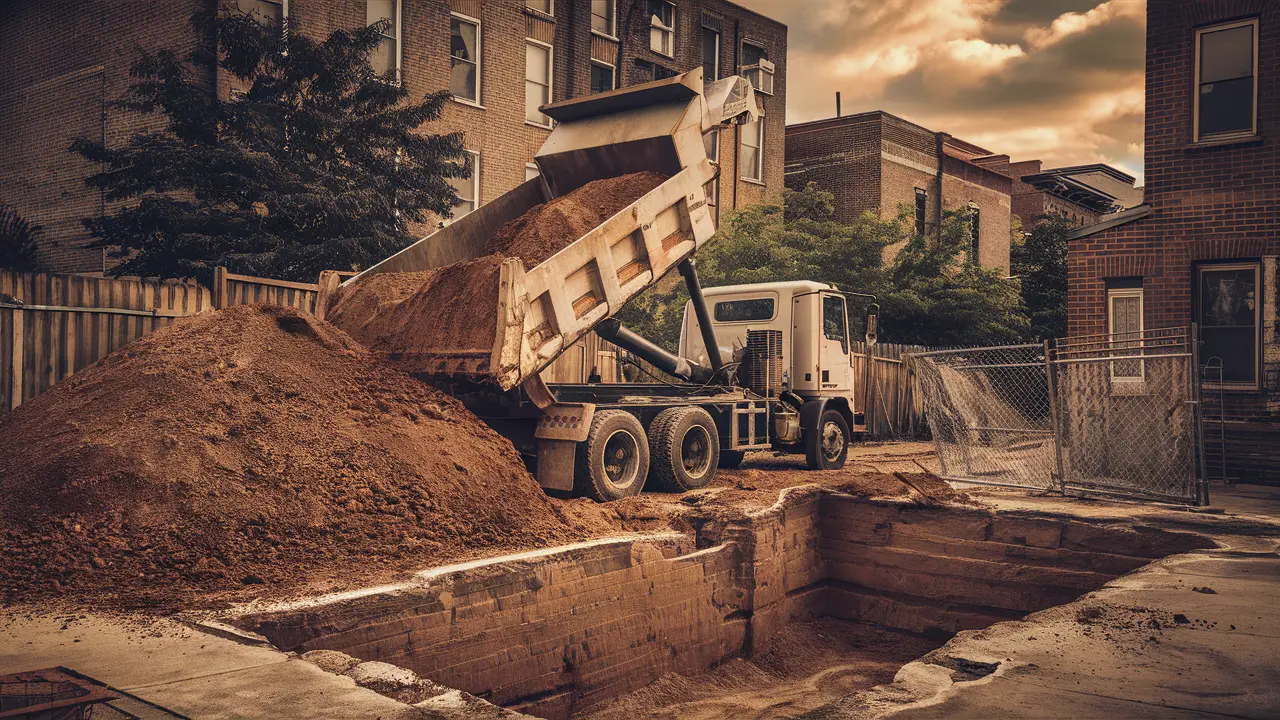
When you get a quote for pool excavation cost, you might notice a line item for "Site Enablement" or "Ground Protection."Some homeowners try to save money by removing this. Do not do this.
The cost of 20 sheets of plywood and the labor to lay them is negligible compared to the cost of re-paving your entire driveway.If you find a quote that is suspiciously cheap compared to the average cost of pool excavation, check if they have included protection. "Cheap" contractors often drive straight onto the grass to save time.
To ensure your garden is safe, ask these questions before hiring:
Can excavation damage your garden? Yes, if done poorly.Will it damage your garden if you hire experts? No.
With the use of rubber-tracked machines, protective boarding, and skilled operators, swimming pool digging can be a surprisingly clean process. Your driveway is the gateway to your home; don't let a cowboy contractor ruin the entrance to build the backyard.
Are you looking for "pool excavation near me" but worried about your landscaping? We treat your property with the same respect as our own. Contact us today for a consultation on how we can execute your excavation safely, cleanly, and professionally.
.png)